


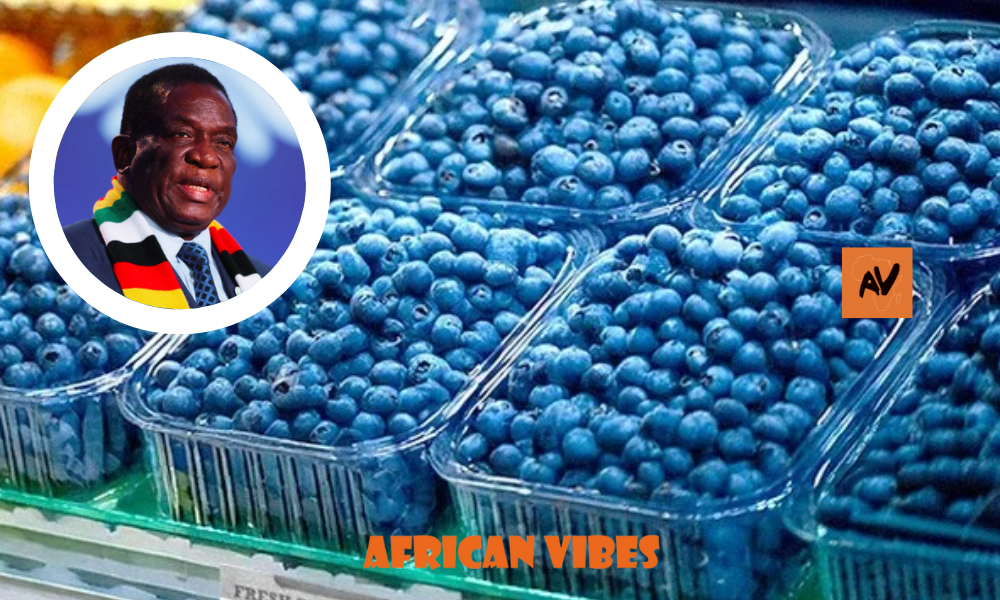
In a diplomatic and agricultural breakthrough, Zimbabwe has secured a coveted agreement with China, granting farmers access to a zero-tariff market of over 1.4 billion consumers.
The deal, signed in Beijing, marks a milestone in Africa–China trade relations and strengthens Zimbabwe’s emerging reputation as one of the continent’s most dynamic horticultural frontiers.
“This is a milestone for Zimbabwe’s horticultural sector,” said Linda Nielsen, Executive Director of the Horticultural Development Council. “We’ve opened the door to one of the world’s most lucrative fruit markets. Now, we must ensure our policies and infrastructure match the opportunity.”
The Seeds of a Horticultural Revolution
Behind this success is a decade of quiet transformation. Once peripheral to the economy, horticulture is now a key player in Zimbabwe’s export diversification strategy.
Production has surged from 8,000 metric tons in 2024 to a projected 12,000 in 2025, driven by private investment, irrigation upgrades, and rising global demand for superfoods.
Zimbabwe’s unique climate gives it a crucial edge—it harvests early, filling global supply gaps before Peru or Chile hit their peaks. Before China entered the scene, its berries were already in high demand across Europe, the UK, and the Middle East.
ALSO READ: Botswana’s Duty-Free Diamond Deal with the US Redefines Economic Sovereignty.
China’s Appetite for Blueberries: A Billion-Dollar Market
In 2005, China imported a mere 665 tons of blueberries.
By 2024, that figure had exploded to nearly 39,000 tons.
This rapid expansion reflects the nation’s growing middle class and its fascination with health-conscious foods. With zero tariffs and early-season supply, Zimbabwean producers can tap directly into this momentum.
Experts predict China’s blueberry imports could surpass $1 billion by 2030, a figure that positions Zimbabwe as a front-runner for growth in Asia’s superfruit economy.
Challenges Beneath the Blossoms
Winning market access is one thing; maintaining it is another.
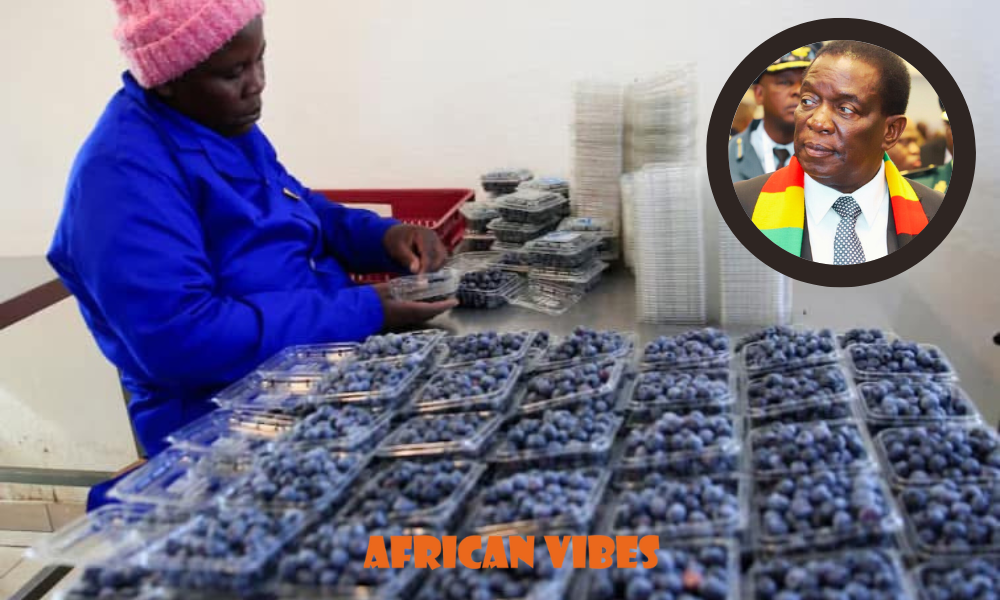
China’s import protocols are notoriously strict, requiring adherence to phytosanitary standards on pests, hygiene, and cold treatment. Zimbabwe’s long-term success will depend on investment in three critical areas:
- Cold-Chain Infrastructure: Expanding refrigerated packhouses, pre-cooling hubs, and temperature-controlled air freight.
- Inclusive Financing: Extending credit and grants to smallholder farmers to ensure equitable participation.
- Policy Stability: Maintaining transparent export incentives, reliable trade frameworks, and consistent currency regulations.
“We must turn market access into market dominance,” an agricultural economist in Harare observed. “That requires logistics, capital, and unwavering policy discipline.”
From Avocados to Blueberries: A Pattern of Progress
This follows a successful avocado export protocol signed last year, signaling that Zimbabwe’s agricultural diplomacy is gaining momentum.
Each new deal adds to a growing portfolio of African-grown, globally consumed produce, reinforcing horticulture as a core driver of Zimbabwe’s economic recovery.
If the momentum continues, the blueberry sector alone could generate millions in foreign currency, create thousands of jobs, and establish Zimbabwe as Africa’s top berry exporter.
ALSO READ: Niger Takes Full Control of Its Gold Mine from Australian Operator
Beyond Trade: A Blueprint for Africa’s Agricultural Future
Zimbabwe’s “blue gold” deal carries a message for the entire continent: African nations can—and must—move beyond exporting raw materials.
By focusing on value-added, premium-grade produce, they can secure sustainable wealth, build resilience, and redefine Africa’s global trade narrative.
This model of agricultural diplomacy could soon extend to mangoes, avocados, or even floriculture—each unlocking new zero-tariff opportunities under Africa–Asia cooperation.
Conclusion: Cultivating a New Kind of Prosperity
Zimbabwe’s blueberry success is more than an export story—it’s a statement of intent. The zero-tariff access to China represents a bold reimagining of how African economies engage with global markets.
If Zimbabwe can align policy, infrastructure, and inclusivity, its “blue gold” could become a symbol of Africa’s agricultural awakening—one berry at a time.