


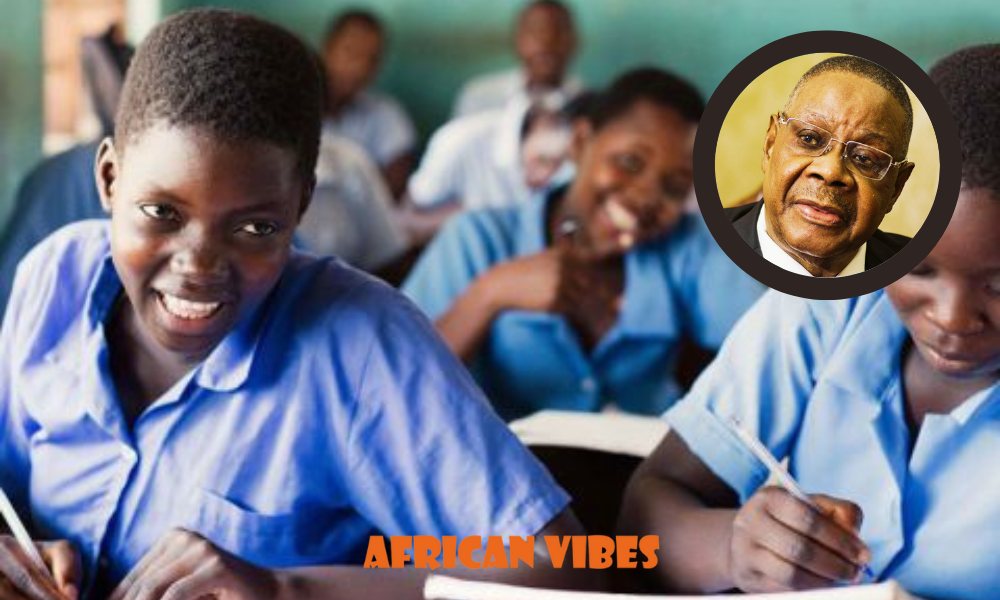
In a sweeping reform that could reshape Malawi’s destiny, President Peter Mutharika has announced free primary and secondary education for all. The policy, set to begin in 2026, promises liberation from generations of financial struggle — if the country can rise to meet the challenge.
The afternoon sun hung low over Mulanje on October 19, 2025, casting a golden glow over the Mulhakho wa Alhomwe Cultural Festival. Amidst the swirl of traditional dances and the rhythmic pulse of drums, President Peter Mutharika delivered a message that cut through the celebration: education in Malawi, from the first day of primary school to the final year of secondary, will be free for all beginning January 2026.
It was more than a policy pronouncement — it was a declaration of national renewal. In a country where education has long been the privilege of the few, the President’s words landed like a promise finally kept.
“This is our commitment to the future,” Mutharika said, as thousands erupted in applause. “No Malawian child will ever again be denied learning because of poverty.”
By tying his announcement to a cultural celebration, Mutharika anchored a modern economic reform in the heart of Malawi’s tradition — turning what could have been a bureaucratic decree into a deeply symbolic act of national pride.
ALSO READ: Top 10 African Countries with Highest GDP Growth in 2025
Breaking the Poverty Barrier
For decades, education in Malawi has been both a beacon and a burden. While free primary schooling was introduced in 1994, secondary education remained financially out of reach for millions. School fees, uniforms, and textbooks pushed countless families into impossible choices: feed the household or educate a child.
Now, that cycle may finally break. The Malawi Free Education Policy abolishes fees for all public schools, opening the classroom doors to millions of students who would otherwise have dropped out after primary school.
This reform is more than social policy — it’s economic strategy. By investing in human capital, the government is betting on education as the engine of socio-economic transformation. It aligns squarely with Vision 2063, Malawi’s long-term blueprint for industrialization, self-reliance, and inclusive wealth creation.
“This policy changes everything,” said a mother in Blantyre, her voice trembling with emotion. “Before, I prayed my children could finish primary school. Secondary was for the lucky ones. Now, it is a right.”
Her words echo across the nation: hope rediscovered, dignity restored.
The Ripple Effect: How Education Fuels Transformation
The long-term implications are staggering. Economists consistently note that each additional year of schooling increases individual income and national GDP. For Malawi, where over half the population is under 18, free education could reshape the country’s demographic future.
- A Skilled Workforce: The reform will keep thousands of adolescents in school longer, creating a pipeline of skilled workers ready for a modern economy. This directly supports Malawi’s push toward industrial diversification — from agriculture to technology and renewable energy.
- Gender Equality: For girls, the reform could be life-changing. With financial barriers lifted, families will no longer be forced to prioritize sons over daughters. Educated girls are more likely to delay marriage, have healthier families, and reinvest in their communities — multiplying the benefits of the reform across generations.
- Economic Multiplier Effect: Families who once struggled to pay fees will now redirect funds toward nutrition, healthcare, and small businesses. In effect, the government is transforming private hardship into public opportunity, stimulating local economies and reducing inequality.
This is not simply African Progress — it’s African Pragmatism: a bold investment in people as the foundation of prosperity.
ALSO READ: 9 Ways African Presidents Can Combat Poverty
The Hard Part: Implementation and Integrity
Still, Malawi’s optimism is tempered by experience. When free primary education was first introduced in the 1990s, enrolment surged — but so did overcrowding, teacher shortages, and resource strain. The lessons from that period are now more urgent than ever.
To succeed, this reform must confront three critical challenges:
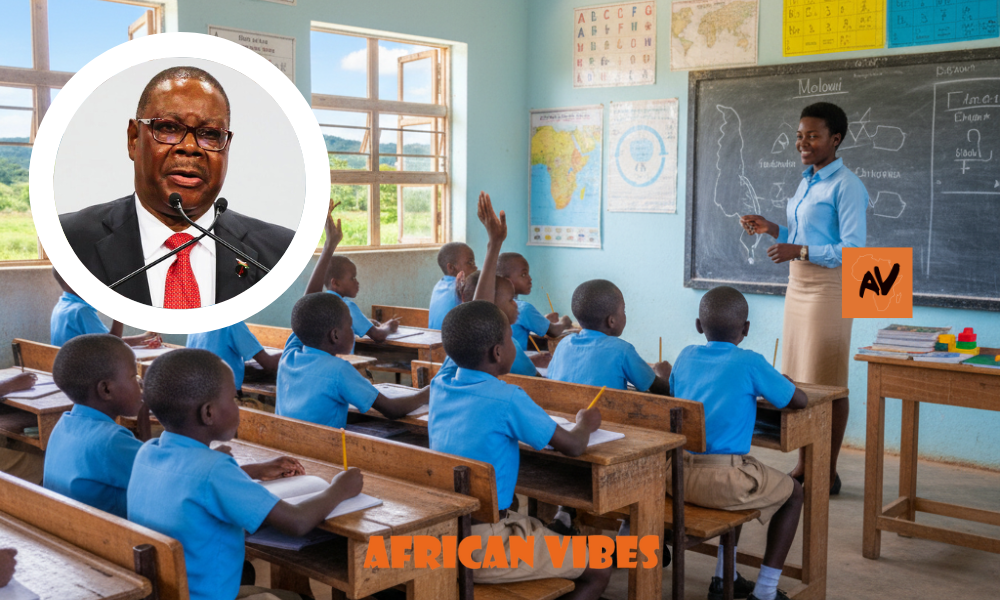
- Teacher Capacity: Malawi will need thousands of new secondary teachers within months. Without proper training and retention strategies, classrooms could overflow, threatening education quality.
- Infrastructure: Many schools lack enough classrooms, libraries, or sanitation facilities. The surge in enrolment could overwhelm already fragile infrastructure.
- Learning Resources: Free schooling is hollow if students lack textbooks or laboratory tools. The government must secure supply chains and collaborate with publishers and partners to maintain quality.
Global organizations like UNICEF and the World Bank have pledged support but urged transparency and sustainable funding. As one education official warned, “The danger is not in the idea — it’s in the execution.”
Indeed, the reform’s success will depend less on the policy’s promise and more on the discipline of its rollout.
A Continental Message: Africa Writing Its Own Future
Malawi’s initiative sends a resounding message across Africa: education is not charity — it is sovereignty.
By abolishing school fees entirely, Malawi joins a vanguard of African nations — including Kenya, Ghana, and Rwanda — that are redefining development through human capital. Its dual focus on both primary and secondary education sets a new benchmark for inclusivity.
This approach resonates with the African Union’s Agenda 2063, envisioning a continent driven by knowledge, innovation, and self-determination. As regional integration deepens within the Southern African Development Community (SADC), Malawi’s growing educated workforce could become a shared asset — fueling trade, entrepreneurship, and continental cooperation.
In this sense, Malawi Free Education is not merely a national reform. It’s a contribution to Africa’s collective future.
The Verdict: A Promise Worth Keeping
Malawi now stands at a crossroads between vision and reality. The 2026 rollout of Free Education for All could be remembered as the single most transformative policy in the nation’s modern history — or as a missed opportunity, if poorly executed.
Either way, President Peter Mutharika has secured his legacy as a leader willing to bet on people rather than politics. He has redefined education not as privilege, but as power — a right that belongs to every child born under the Malawian sun.
The applause from Mulanje has faded, but the echoes remain. For the children who will soon walk into classrooms without fear of expulsion or debt, the meaning of freedom has changed. And for Malawi, that may be the beginning of something far greater: a future finally within reach.