


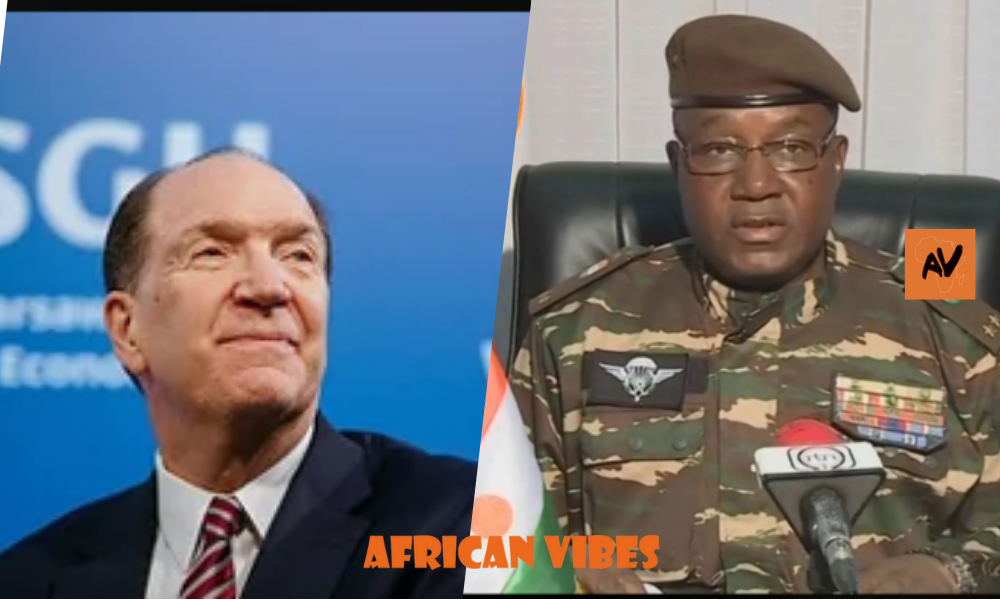
Niger’s decision to seize control of a major uranium mine once operated by French nuclear giant Orano has triggered a fierce legal and geopolitical confrontation, testing Africa’s push for greater control over its natural resources.
The military government in Niamey announced the nationalization of the SOMAÏR uranium mine in June 2025, accusing Orano of breaching its mining agreement and claiming a disproportionate share of production. The French firm has denied wrongdoing and swiftly filed a case with the World Bank’s International Centre for Settlement of Investment Disputes (ICSID).
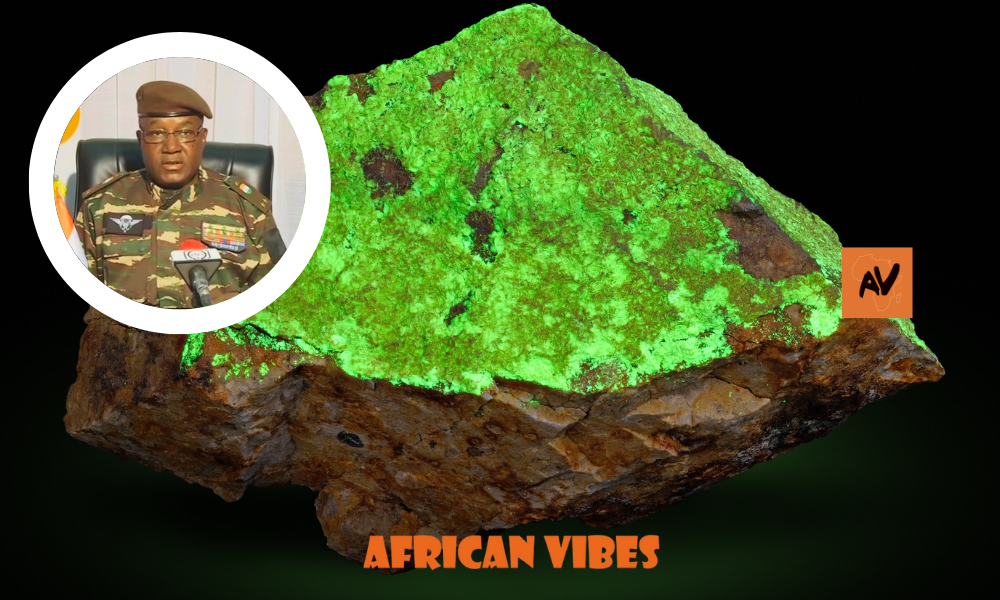
At the heart of the dispute lies over 1,000 tonnes of uranium, worth hundreds of millions of dollars, now frozen under a World Bank tribunal order that bars Niger from selling or transferring the material.
The outcome could redefine the relationship between African resource-rich nations and Western corporations — and reshape the global uranium market.
A Power Struggle Rooted in History
For more than 50 years, uranium from Niger’s northern desert has powered France’s nuclear energy industry. The SOMAÏR mine, a joint venture between Orano and the Nigerien state-owned SOPAMIN, has long been central to France’s energy security.
But while France benefits from cheap, steady uranium supplies, Niger remains one of the world’s poorest countries. The contrast between resource wealth and poverty has become a rallying cry for Nigeriens who argue that past contracts favored foreign companies over local development.
Environmental concerns have compounded resentment. The nearby COMINAK mine, closed in 2021, left behind radioactive waste and unrehabilitated land — fueling calls for Niger to assert greater sovereignty over its mineral wealth.
ALSO READ: Burkina Faso Breaks Colonial Ties: Drops French as Official Language
A Coup and a Shift in Strategy
After a military coup in July 2023, Niger’s new leaders promised to reclaim economic control from foreign powers. The ruling Conseil National pour la Sauvegarde de la Patrie (CNSP) adopted a policy of “economic independence,” which quickly put Orano’s mining operations in its crosshairs.
Officials accused the French company of contract violations and profit manipulation, arguing that Niger was receiving far less than its rightful share of uranium proceeds. In June 2025, Niamey formally nationalized SOMAÏR, citing the expiration of Orano’s mining agreement.
“This is about reclaiming our national dignity and control over our own resources,” a senior government spokesperson told state media at the time.
Orano, however, described the move as “an unlawful expropriation” and turned to the World Bank ICSID for arbitration under the France–Niger Bilateral Investment Treaty.
The World Bank Ruling
In September 2025, the ICSID tribunal issued a provisional order freezing the sale or transfer of SOMAÏR’s uranium stock. The court’s decision effectively blocked Niger’s immediate efforts to monetize its uranium, warning the government not to dispose of material claimed by Orano.
The tribunal also called for the release of Ibrahim Courmo, Orano’s country representative, who remains in detention despite a Nigerien court ruling for his release.
While the ICSID ruling provides a legal victory for Orano, enforcing it remains complex. International arbitration depends on a host country’s cooperation — something Niger’s junta is unlikely to grant.
The Global Stakes
Analysts say the dispute highlights a growing tension between foreign investor protections and African nations’ rights to resource sovereignty.
If Niger defies the World Bank order and sells its uranium, it risks isolation from Western markets and financial systems. However, Niamey could find alternative buyers among nations like Russia, Iran, or Turkey, which are increasingly active in Africa’s mining sector and less constrained by Western regulations.
“The uranium market is becoming geopolitical,” says energy policy expert Dr. Aïcha Kounda. “Niger’s decision is a statement to the world: Africa is no longer content to be a raw material supplier under colonial-era contracts.”
This mirrors a broader trend across the continent. Zambia and the Democratic Republic of Congo are demanding local processing of copper and cobalt. Ghana has tightened gold export rules to increase domestic refining. Tanzania and Namibia are renegotiating critical mineral contracts.
For these nations, Niger’s bold stance is both a model and a warning.
ALSO READ: Egypt’s Renewed Push for ‘Arab NATO’ Aims to Cement African and Arab Security
Risks and Rewards
Economists caution that while nationalization may boost political capital at home, it could deter foreign direct investment (FDI) needed for major infrastructure and energy projects.
The World Bank, IMF, and Western donors have already suspended much of Niger’s financial support following the 2023 coup, leaving the junta increasingly reliant on non-Western partners.
Still, for many Nigeriens, the government’s move is about principle. “We cannot remain rich in resources and poor in life,” one resident in Arlit, the mining town at the center of the dispute
What Happens Next
The ICSID case could take years to resolve. Its final outcome will set a precedent for how far African governments can go in reclaiming control of strategic resources from multinational corporations.
If Niger wins, it may embolden other African states to follow suit. If it loses, the decision could reinforce investor confidence — but reignite debates about economic justice and neocolonialism.
Either way, the dispute marks a defining moment for Africa’s role in the global energy transition — a test of whether the continent can turn its resource wealth into sustainable, sovereign development.