


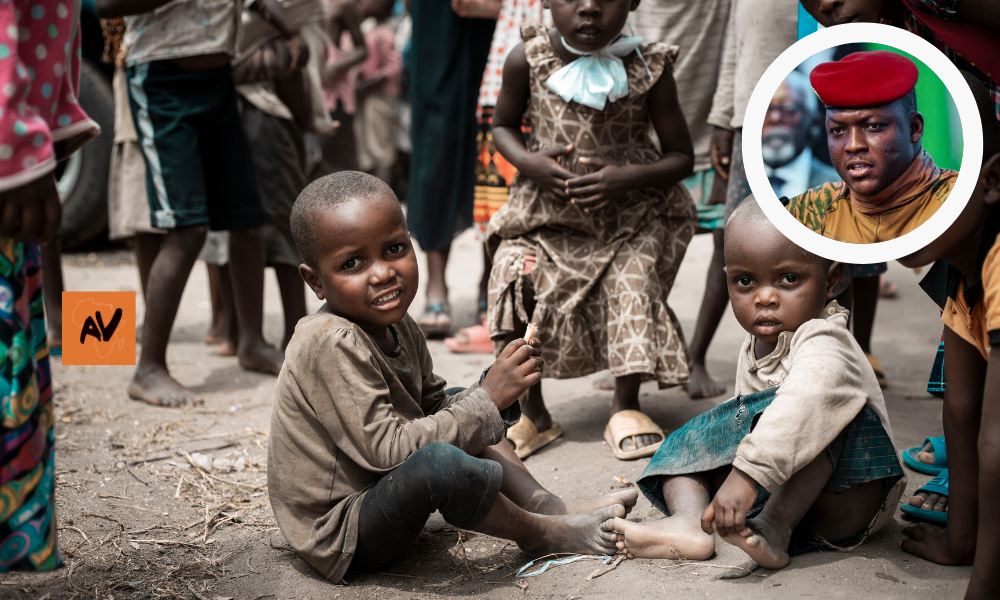
Burkina Faso has introduced new regulations banning humanitarian organisations from using photographs and videos that portray vulnerable people in degrading or exploitative ways, in a move officials say is aimed at protecting the dignity of aid recipients and reforming the country’s humanitarian sector.
The decree, approved by the Council of Ministers under the Ministry of Humanitarian Action and National Solidarity, is part of a broader package of reforms affecting how non-governmental organisations (NGOs) operate in the country.
While some social media posts have claimed Burkina Faso has banned people from photographing Africans, the government’s directive is considerably narrower. The new rules do not prohibit photography in general. Instead, they target the use of images that exploit vulnerable people—particularly those receiving humanitarian assistance—for fundraising, publicity or promotional purposes.
The measure places Burkina Faso among a growing number of countries and organisations questioning how humanitarian crises are portrayed and whether long-standing fundraising practices have come at the expense of the dignity and privacy of those being helped.
ALSO READ: Burkina Faso severs diplomatic ties with France after years of worsening relations
Protecting the Dignity of Aid Recipients
According to the decree, humanitarian organisations must ensure that all photographs, videos and communication materials respect the privacy, image rights and informed consent of beneficiaries.
Officials say vulnerable people should no longer be portrayed as objects of pity or reduced to symbols of suffering in order to attract financial support.
The government argues that humanitarian assistance should empower communities rather than reinforce stereotypes that depict recipients as helpless victims.
The new rules apply to both local and international humanitarian organisations operating within Burkina Faso.
More Than a Photography Rule
The restrictions on imagery form only one part of a wider overhaul of the humanitarian sector.
The decree introduces a mandatory accreditation system for NGOs, allowing authorities to monitor humanitarian operations more closely and determine where organisations can work.
It also requires that at least 60% of humanitarian funding be directed towards early recovery, resilience and self-reliance programmes instead of prolonged emergency assistance.
Officials say the objective is to help communities rebuild livelihoods and reduce long-term dependence on humanitarian aid.
The reforms reflect the government’s broader vision of shifting from emergency relief towards sustainable development.
A Wider Crackdown on NGOs
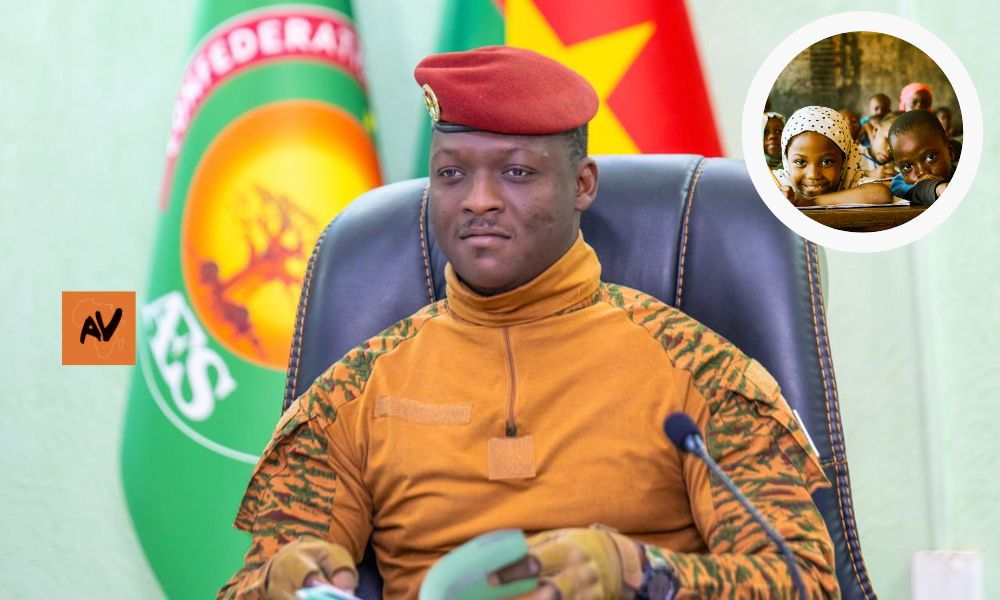
The latest measures come amid tighter government oversight of civil society organisations since Captain Ibrahim Traoré assumed power following the 2022 military coup.
Earlier this year, authorities dissolved more than 100 civil society organisations and revoked the operating licences of several foreign NGOs, describing the actions as necessary to improve transparency and strengthen national sovereignty.
Human rights organisations have expressed concern that the changes could further restrict civic space and make humanitarian work increasingly difficult.
Burkina Faso remains one of the countries hardest hit by insecurity in the Sahel, with violence linked to armed Islamist groups displacing more than two million people and limiting humanitarian access to many communities.
Against that backdrop, aid agencies continue to play a critical role in delivering food, healthcare and emergency assistance.
Understanding “Poverty Porn”
The government’s decision has renewed debate over a controversial practice often referred to as “poverty porn.”
The term describes the use of emotionally charged images of poverty and suffering—frequently featuring children—to encourage donations from international audiences.
Critics argue these campaigns often present incomplete or misleading portrayals of communities, reducing people to passive victims while reinforcing negative stereotypes about Africa and the developing world.
Development experts have long argued that such imagery can undermine the dignity of those photographed and shape global perceptions of entire countries through a narrow lens of crisis and dependency.
Supporters of ethical fundraising say humanitarian organisations should instead focus on stories that highlight resilience, community leadership and long-term solutions alongside genuine humanitarian need.
An International Conversation
The debate over ethical storytelling is not unique to Burkina Faso.
Many humanitarian organisations have spent the past decade revising their communication policies to place greater emphasis on consent, privacy and respectful representation.
Countries including Australia, Canada and New Zealand encourage NGOs to follow voluntary codes of conduct on ethical fundraising imagery, while Norway’s internationally recognised Radi-Aid campaign has criticised organisations for relying on degrading portrayals of African communities.
Unlike those voluntary initiatives, Burkina Faso’s approach gives the principles legal force.
The move also aligns with broader political trends across the Alliance of Sahel States (AES)—Burkina Faso, Mali and Niger—which have all tightened oversight of international organisations and sought greater control over humanitarian operations within their borders.
What It Means for Humanitarian Organisations
For NGOs operating in Burkina Faso, the immediate impact will likely be felt in communications and fundraising departments.
Organisations will need to strengthen consent procedures, review existing image libraries and ensure future campaigns comply with the new legal requirements.
Many may also have to rethink how they communicate humanitarian crises without relying on imagery that could be considered exploitative under the new regulations.
While some organisations already follow similar internal standards, others may need to significantly adjust long-established fundraising strategies.
Looking Ahead
Burkina Faso’s new decree reflects a broader global conversation about dignity, representation and ethics in humanitarian work.
Supporters believe the regulations will help protect vulnerable people from exploitation while encouraging more respectful storytelling.
Critics, however, worry that increased government oversight could make it harder for humanitarian organisations and journalists to document conditions on the ground, particularly in conflict-affected areas where independent reporting is already limited.
How the rules are enforced—and whether they strike the right balance between protecting people’s dignity and preserving transparency—will become clearer in the months ahead.
What is certain is that Burkina Faso has placed itself at the centre of an international debate over who controls the narrative of humanitarian crises and how the world’s most vulnerable people should be represented.