


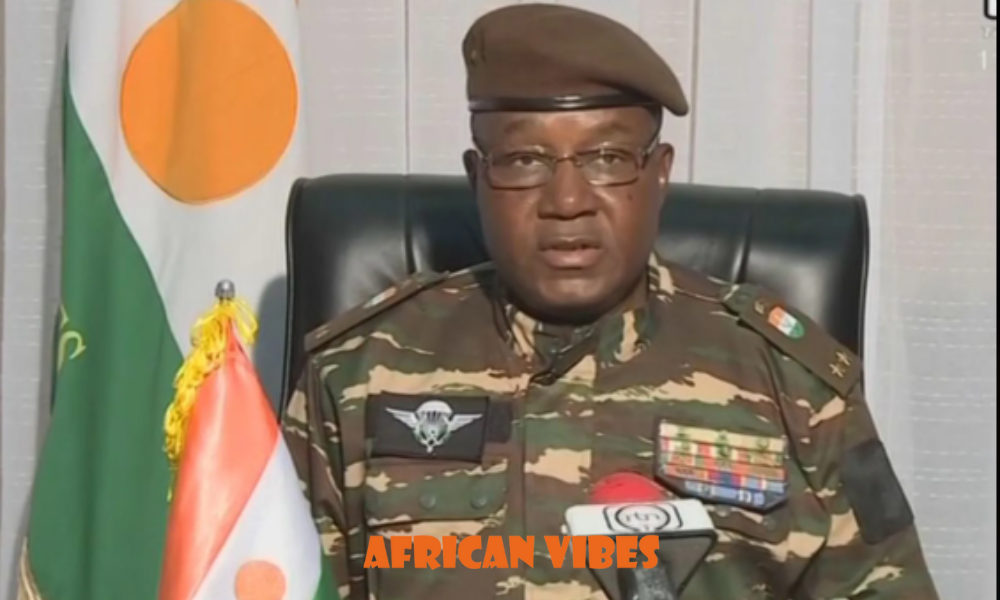
Niger has sent shockwaves across Africa’s mining and investment landscape. In late September, the transitional government led by General Abdourahamane Tiani announced it was taking full control of the Samira Hill Gold Mine, the country’s only industrial-scale gold operation.
For Nigeriens, this was not merely a bureaucratic announcement. It was a declaration—a firm stance that Niger’s most strategic mineral wealth must serve its citizens first. After decades of foreign operators controlling the country’s mines, often with limited returns for the state, this nationalisation signals a profound shift in Niger’s economic strategy.
The government’s message was sharp: the Australian-led operator, McKinel (formerly Nguvu Mining), had failed to honor a $10 million investment plan, leaving behind wage arrears, tax debts, and declining production. Niger could no longer tolerate what officials described as an “alarming economic situation.”
By seizing Samira Hill, Niger joins a growing chorus of West African nations—including Mali and Burkina Faso—that are reclaiming control of their Sahel’s mineral wealth. The move is more than policy; it is an expression of African economic sovereignty, aligning with the African Union’s African Mining Vision (AMV): a roadmap to ensure the continent’s resources fuel local development rather than simply enrich global corporations.
ALSO READ: Burkina Faso Breaks Colonial Ties: Drops French as Official Language
The Samira Hill Mine: From Promise to Disappointment
When it first began operations in 2004, the Samira Hill Gold Mine—located in Niger’s Tillaberi region—was seen as a beacon of hope. Operated by Société des Mines du Liptako (SML), a partnership between Niger’s government and foreign investors, it promised industrial-scale gold production that would boost Niger’s revenues and modernize its mining sector.
But two decades later, the reality is sobering.
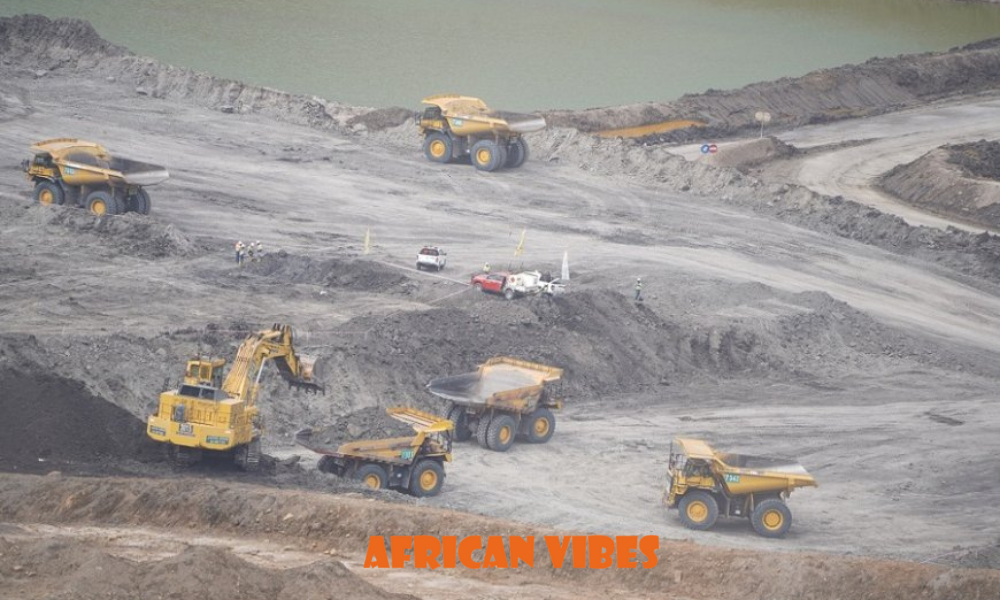
- In 2023, Samira Hill’s industrial production was just 177 kilograms of gold.
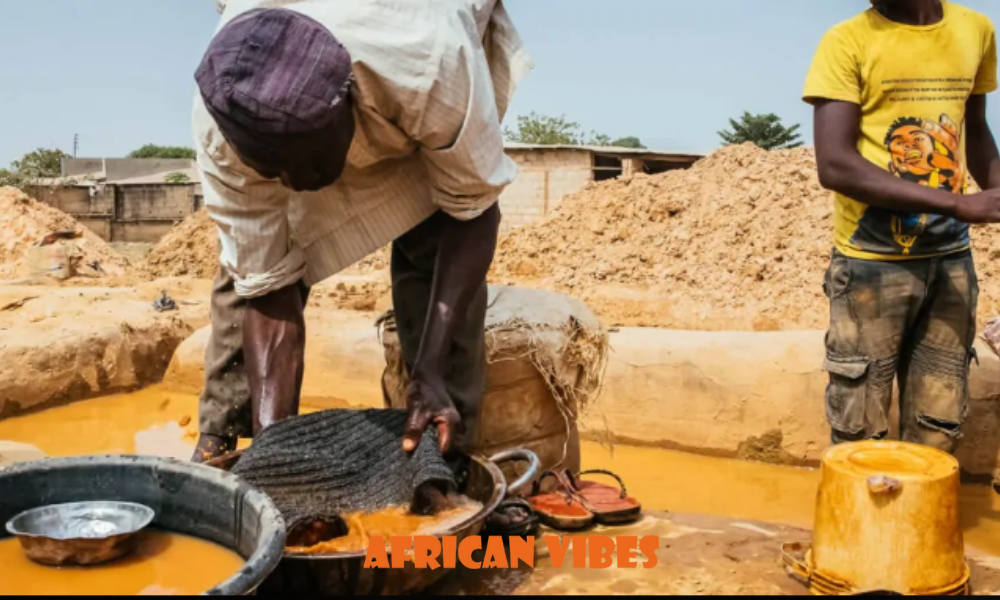
- In contrast, Niger’s artisanal miners, working with basic tools and often outside formal regulation, produced an estimated 2.2 tonnes that same year.
This imbalance highlights the mine’s underperformance. A project expected to spearhead industrial gold production has instead been eclipsed by informal mining, which, while significant, provides limited state revenue and often exposes miners to unsafe conditions.
The government accuses McKinel of neglecting investment, allowing operations to stagnate, and failing to protect workers from growing security threats. A May 2025 jihadist attack on the mine, which killed several workers, underscored how vulnerable the site had become.
For Niger’s transitional leaders, Samira Hill was too important to be left in decline.
Resource Nationalism in the Sahel: A Regional Wave
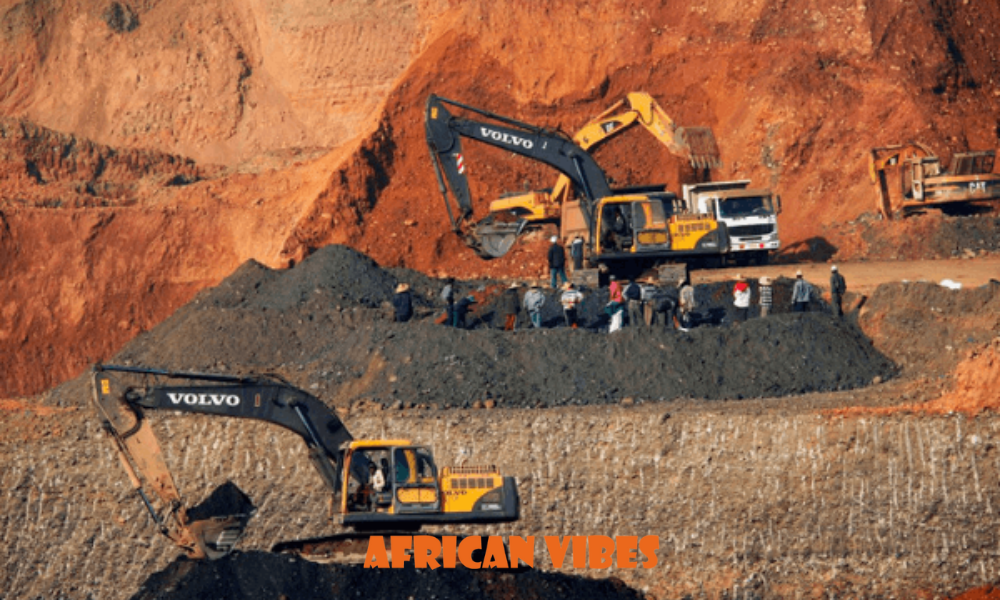
Niger’s decision fits into a broader Sahelian trend of resource nationalism. Across West Africa’s coup-led states—Mali, Burkina Faso, and Niger—new governments are rethinking the role of foreign mining companies.
- Mali has introduced reforms to increase state ownership in mining projects, demanding fairer revenue sharing.
- Burkina Faso has renegotiated mining agreements and tightened taxation rules for gold producers.
- Niger, already in the headlines for nationalising the local subsidiary of French uranium giant Orano, has now extended this assertive policy to gold.
This coordinated push reflects growing frustration. For decades, foreign companies dominated extraction, exporting raw minerals with limited processing in Africa. The benefits to host nations were modest—royalties, some local jobs, and community projects—while the bulk of profits flowed overseas.
By taking control, Sahel governments are asserting a new order: African minerals must fuel African development.
ALSO READ: Ghana’s Deportee Deal Sparks Rights Lawsuit and Pan-African Backlash
Economic Sovereignty and the African Mining Vision
At the heart of Niger’s move is the ambition to align with the African Mining Vision (AMV), adopted by the African Union in 2009. The AMV calls for African countries to go beyond exporting raw ores and instead build knowledge-driven, value-added mining economies.
In practice, this means:
- Refining gold within Niger rather than exporting semi-processed doré bars.
- Developing local jewellery industries and gold-based manufacturing.
- Creating technical and managerial jobs for Nigerien youth.
- Using mining revenues to fund health, education, and infrastructure.
By nationalising Samira Hill, Niger gains the ability to set this agenda without external resistance. Officials have already hinted at integrating artisanal miners into the formal economy—potentially creating a hybrid system where industrial output and artisanal production both contribute transparently to state coffers.
This vision is ambitious, but it resonates deeply across Africa. The symbolism is powerful: rather than exporting raw wealth, Niger aims to transform gold into a tool for national development.
Balancing Opportunity with Risk
The opportunities before Niger are enormous. If managed effectively, Samira Hill could:
- Multiply state revenues.
- Create skilled jobs in refining and downstream industries.
- Strengthen economic independence from foreign aid and external shocks.
- Serve as a regional model for responsible resource nationalism.
But challenges loom:
- Investor Confidence – Nationalisations can spook international investors, who may fear contract instability. Future exploration projects could face financing hurdles.
- Legal Disputes – McKinel is expected to contest the takeover through international arbitration, potentially entangling Niger in costly litigation.
- Operational Expertise – SOPAMIN, Niger’s state mining company, must prove it has the technical capacity to run a large-scale industrial mine profitably.
- Security – Tillaberi remains one of Niger’s most volatile regions, plagued by jihadist violence. Protecting mining operations is as critical as managing them.
- Governance and Transparency – Without strong oversight, nationalised mines risk falling into corruption or inefficiency, undermining their developmental promise.
These risks highlight a reality: reclaiming sovereignty is only the first step; delivering results requires strategic management.
Voices from Niger and Beyond
Across Niamey and mining towns, reactions to the takeover are mixed but generally supportive.
- Artisanal miners welcome the move, hoping for more formal recognition and access to safer, regulated markets.
- Civil society activists see it as a chance to finally channel Niger’s gold into public welfare.
- Economists, however, caution that without transparency and reinvestment, nationalisation could mirror past disappointments in other resource-rich nations.
Internationally, the decision has sparked debate. Investors view it as a warning sign, while Pan-African thinkers celebrate it as part of a long-awaited economic liberation wave.
A Defining Moment for the Sahel
Niger’s move to reclaim Samira Hill is more than an isolated policy decision. It represents a symbolic break from the past—a refusal to allow Africa’s wealth to remain a pipeline for external powers.
If successful, it could:
- Inspire other African nations to renegotiate unfair contracts.
- Strengthen calls for in-country beneficiation across the continent.
- Demonstrate that resource nationalism, when responsibly managed, can coexist with development.
If mismanaged, however, it risks becoming a cautionary tale of lost opportunity.
Conclusion: A Resource-Confident Africa Rising
Niger’s bold gambit at Samira Hill encapsulates the spirit of a continent refusing to be defined by dependency. For the transitional government, the mine is more than a gold deposit—it is a strategic symbol of Nigerien sovereignty.
As the African proverb says: “The wealth of the land belongs first to its children.”
Whether Niger can turn this principle into lasting prosperity remains to be seen. But one thing is certain: the Sahel is entering a new era, one in which Africa’s mineral wealth will increasingly be claimed, managed, and celebrated by Africans themselves.
This is not just about gold. It is about dignity, sovereignty, and the long-awaited promise of African economic liberation.