


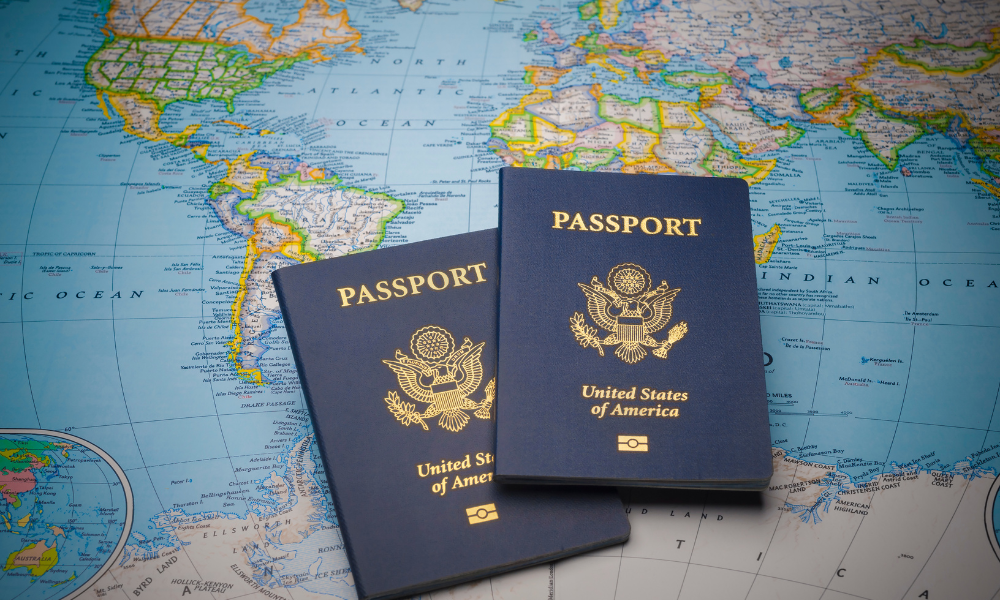
In a significant stride towards fulfilling the long-held vision of a truly integrated continent, a growing number of African nations are embracing liberal visa-free policies, paving the way for unprecedented ease of movement for both citizens and visitors. This shift, driven by a desire to boost intra-African trade, tourism, and foster a stronger Pan-African identity, is reshaping the travel landscape and igniting dreams of a more connected and prosperous Africa.
For decades, the promise of a “borderless Africa” has been a cornerstone of the African Union’s Agenda 2063. However, restrictive visa regimes often hindered this aspiration, creating barriers to trade, limiting cultural exchange, and isolating communities.
Historically, many African countries maintained stringent visa requirements, often mirroring colonial-era policies, which made it easier for non-Africans to travel within the continent than for Africans themselves.
The 2016 launch of the Africa Visa Openness Index (AVOI) by the African Development Bank (AfDB) brought this issue into sharp focus, revealing a continent largely closed off to its own citizens. This transparency, coupled with persistent advocacy from regional blocs like ECOWAS and EAC, and the burgeoning drive for continental free trade, laid the groundwork for the current wave of reform.
The ideal of Pan-Africanism, a movement advocating for a unified and independent Africa, has always championed the free movement of people as essential to shared prosperity and collective strength.
Key Developments
The momentum for visa liberalization has notably accelerated in recent years. While the notion that “African countries do not require a visa for you to visit” is not yet universally true for all citizens or nationalities, significant progress has been made. As of early 2025, a small but growing number of nations—namely Seychelles, The Gambia, Benin, Rwanda, and most recently, Kenya and Ghana—have fully committed to visa-free entry for all African passport holders.

Rwanda’s Trailblazing Move
Rwanda emerged as a leading example, announcing a full visa-free policy for all Africans in November 2023, which took effect by the end of the year. This bold step has positioned Rwanda as a prime destination for both tourism and business, encouraging other nations to follow suit.
Kenya’s “Welcome Home” Initiative
Following Rwanda’s lead, Kenyan President William Ruto declared in December 2023 that visitors from across the world, including all African citizens, would be visa-free to enter Kenya from January 2024. This impactful announcement, often echoed with the phrase “Kenya has a simple message to humanity: Welcome Home!”, underscores a strategic vision for boosting tourism and strengthening economic ties.
Ghana’s Pan-African Embrace
Adding to the growing list, Ghana, a historic beacon of Pan-Africanism, implemented a visa-free policy for all African passport holders from January 1, 2025. This move by the outgoing President Nana Akufo-Addo reaffirms Ghana’s commitment to continental integration and its role as a welcoming gateway to West Africa.
Seychelles, The Gambia, and Benin
These nations have consistently been at the forefront of visa openness. Seychelles, with its tourism-dependent economy, was the first to offer visa-free access to all nationalities, including all Africans, a policy it has largely maintained. The Gambia declared itself a “visa-free zone” for all Commonwealth nations, EU nations, and African citizens, with some entry fees applicable. Benin’s President Patrice Talon also announced the elimination of visa restrictions for Africans in 2019, emulating Rwanda’s forward-thinking approach.
ALSO READ: Luxury African Safaris What to Pack for the Perfect Trip
African Countries Offering Visa-on-Arrival or E-Visas to many African/other Nationalities:
Many other African countries offer visa-on-arrival or e-visa options, making the travel process significantly easier than requiring a pre-arranged visa from an embassy. The specific nationalities eligible for these often vary. Some examples include: Zimbabwe, Comoros, Djibouti, Ethiopia, Madagascar, Mauritania, Mauritius, Mozambique, Namibia (though in April 2025, Namibia will require visas for 32 countries, including the US, UK, and Canada, signaling a shift for some nationalities).
Nigeria (offers visa-on-arrival for citizens of 36 African countries), South Africa (visa-free for some nationalities, and working on a trusted tour operator scheme for others), Tanzania (many nationalities can obtain a visa on arrival or e-visa), Uganda and Zambia
Regional Economic Communities (RECs):
Beyond individual country initiatives, regional blocs like the Economic Community of West African States (ECOWAS) and the East African Community (EAC) have long-standing protocols for free movement of people among member states.
These regional agreements serve as vital blueprints for broader continental integration, demonstrating the tangible benefits of relaxed border policies. The ongoing implementation of the African Continental Free Trade Area (AfCFTA) further amplifies the need for seamless movement of people to facilitate trade in goods and services.
ALSO READ: 12 Surprising African Countries That Allow Dual Citizenship By Marriage

Impact and Analysis:
The movement towards visa-free travel across Africa is not merely a symbolic gesture; it holds profound economic, social, and cultural implications for the continent.
Economic Boom
Ease of travel directly translates to increased tourism. Countries that have adopted more open visa policies, like Seychelles, have seen significant growth in their tourism sectors. This influx of visitors generates revenue, creates jobs, and stimulates local economies, contributing to the overall African economic growth.
Beyond tourism, simplified travel facilitates business interactions, fostering intra-African trade and investment. Entrepreneurs can more easily explore new markets, attend conferences, and forge partnerships, driving innovation and expanding commercial networks. The AfCFTA stands to benefit immensely from this enhanced mobility, as the free flow of goods and services is intrinsically linked to the free movement of people.
Cultural Exchange and Pan-African Identity:
When borders become less restrictive, people from diverse African backgrounds can connect more easily. This fosters deeper cultural understanding, breaks down historical misconceptions, and strengthens a shared Pan-African identity. Students can pursue education in different countries, artists can collaborate across borders, and families can reunite with greater ease. This melting pot of cultures enriches the continent’s social fabric and promotes a sense of unity.
Addressing Challenges and Building Resilience:
While the progress is commendable, challenges remain. Some nations still maintain restrictive policies due to security concerns, issues of illegal migration, or perceived economic pressures. The recent decision by Namibia to end visa-free access for some Western nations, for example, highlights the complexities and the sovereign right of countries to manage their borders. However, the overarching trend points towards greater openness.
Furthermore, infrastructure development, including air connectivity and efficient border management systems, is crucial to fully capitalize on visa-free liberalization. The adoption of e-visas by a growing number of African countries is a positive step, streamlining the application process and reducing bureaucratic hurdles.
Aspiration vs. Reality:
While the headline “African Countries do not require a visa for you to visit” is a powerful aspiration, the current reality is more nuanced. It’s vital for travelers to always check the specific visa requirements for their nationality and destination before planning their journey.
However, the trajectory is clear: Africa is progressively opening its arms to its own. This positive trend reflects a growing commitment among African leaders to prioritize regional integration and collective prosperity over historical barriers.
Conclusion
The increasing adoption of visa-free travel policies across Africa marks a pivotal moment in the continent’s journey towards deeper integration and shared prosperity. From the pristine beaches of Seychelles to the vibrant markets of Accra and the wildlife-rich plains of Kenya, the message is resounding: Africa is opening up.
This movement is not merely about simplifying travel logistics; it’s about fostering a more connected, resilient, and economically vibrant continent. The road ahead requires sustained political will, investment in infrastructure, and continued dialogue, but the seeds of a truly interconnected Africa have been sown, promising a future brimming with opportunity and solidarity.