


Visa application fees are a hefty expense for many, but for Zambians, they can feel like a financial weight. Zambians often find themselves paying large sums for visa applications only to face rejections with little explanation.
The cost of applying for a visa, particularly for travel to the EU or the UK, can range from $50 to $200 per application. These fees are a substantial amount, especially when the rejection process is unclear, and applicants often face difficulties understanding why their applications were turned down.
For many Zambians, the desire to travel is not just about tourism but also about pursuing education, business opportunities, or reuniting with family. Yet, each rejection represents not only a missed opportunity but a financial setback that many struggle to absorb.
Real-World Example: 40-year-old businessman Edward Kunda applied for a UK visa to attend an international conference. His application was rejected, but the £160 fee he paid was non-refundable. This left Kunda and others like him feeling the sting of lost funds without clear justification for the rejection.
The financial toll is not limited to wealthy individuals. In fact, it’s disproportionately affecting low-income Zambians who struggle to save for just one attempt, let alone multiple.
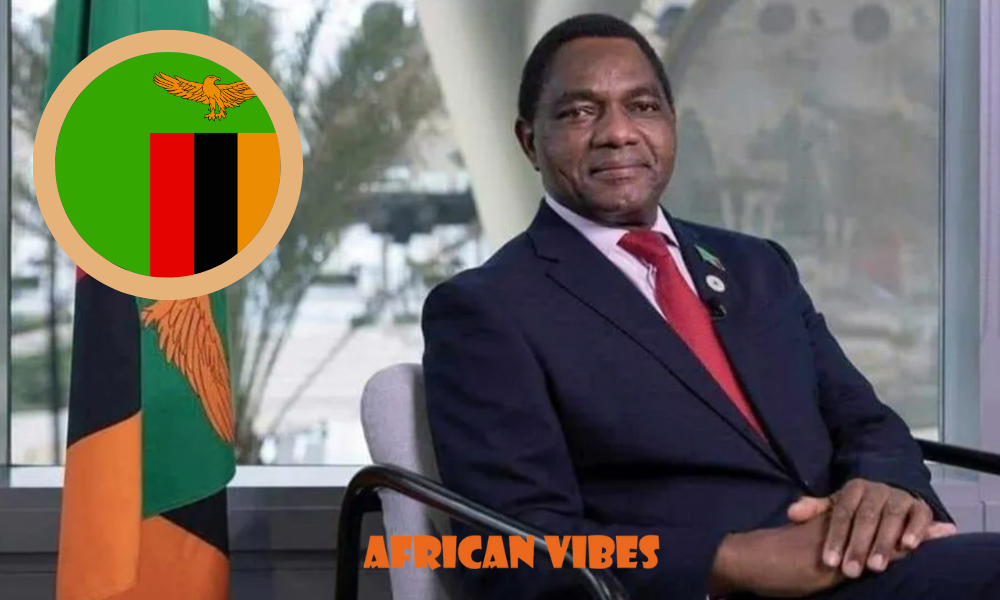
President Hichilema’s Visa Refund Request: Why It’s Crucial for Zambians
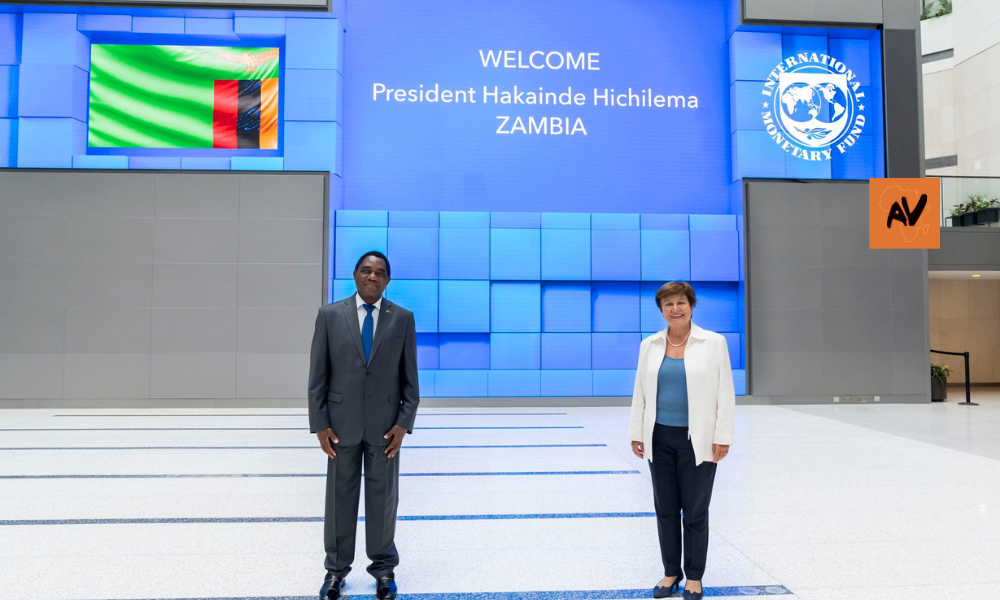
President Hichilema has taken a strong stance, publicly calling for refunds of visa application fees for those whose applications are denied. In his statement on May 23, 2025, he emphasized the unfairness of charging applicants hefty fees for a service they ultimately do not receive. He argued that Zambian citizens should not be penalized for visa rejections, especially given the opacity in the reasons for these decisions.
The president’s demand goes beyond a simple refund request; it’s a call for fairness and transparency in the global visa system. Zambians, particularly those from marginalized communities, often do not have the luxury of repeatedly paying for multiple visa applications, and for them, each rejection feels like a significant setback.
Key Reasons Behind the Call:
- Fairness: Refunds would help level the playing field for Zambians who face frequent rejection without clear explanations.
- Transparency: Visa rejection letters should be more detailed, helping applicants understand why they were denied and how they could improve future applications.
- Financial Relief: For low-income individuals, the ability to recoup visa fees would reduce the financial burden and make international travel more accessible.
Could Other Countries Follow Zambia’s Lead?
While President Hichilema’s demand may seem like a local issue, it could have global implications. Visa rejection rates are high in many developing countries, not just Zambia. Citizens from other African nations, such as Nigeria or Kenya, have also voiced concerns over the fairness of the visa application process and the non-refundable nature of the application fees.
Zambia’s push for refunds could potentially lead to a broader conversation about visa application fairness. If Zambia’s call garners enough international attention, other countries with similar issues might take a stand as well.
ALSO READ: Trump’s White South African ‘Refugees’ Get Red Carpet Treatment At The Airport
Potential for Global Ripple Effect:
- Comparative Examples: In countries like India, citizens have protested against steep visa fees, and there have been conversations about refunding application fees. If Zambia’s movement gains momentum, other nations might press for similar reforms.
- Visa Fee Refund Policies: Countries with high rejection rates may look into systems where fees are refunded if applications meet certain criteria.
While challenges remain in implementing such policies, Zambia’s demand could ignite the necessary dialogue about creating a more transparent and equitable global travel system.

Redefining Global Travel Policies: The Bigger Picture
The global visa system has long been criticized for its opaque nature and high costs. President Hichilema’s call for visa fee refunds highlights a much-needed opportunity to reconsider how visa policies are structured worldwide.
Key Considerations for Reform:
- Transparency in Rejection: One major reform could be ensuring that visa applicants receive clear and constructive feedback on why their applications were rejected. This would empower individuals to reapply with more confidence.
- Equal Access: Travel should not be limited to those with financial means. Visa fee refunds could be one way to make international travel more accessible to individuals in developing nations.
ALSO READ: Trump’s Africa Exit: 6 U.S. Embassies to Shut in Africa
Could Visa Fee Refunds Transform Global Travel?
The discussion of refunds is only the tip of the iceberg. As more countries join the conversation, we could see fundamental changes in the way visa systems operate globally, making them more transparent, fair, and equitable.
Conclusion
Zambia’s push for visa application fee refunds is not just about easing the financial strain on its citizens; it’s a challenge to the global system that could potentially change how visa policies are structured worldwide.
As Zambians call for fairness and transparency, this issue could become a catalyst for change, leading other countries to reconsider their own visa processes. If implemented, visa fee refunds could open doors for many individuals who have long been shut out due to financial barriers, making travel more accessible and fairer for all.
The future of global travel may be on the cusp of significant reform, and Zambia’s bold stance could lead the charge.