


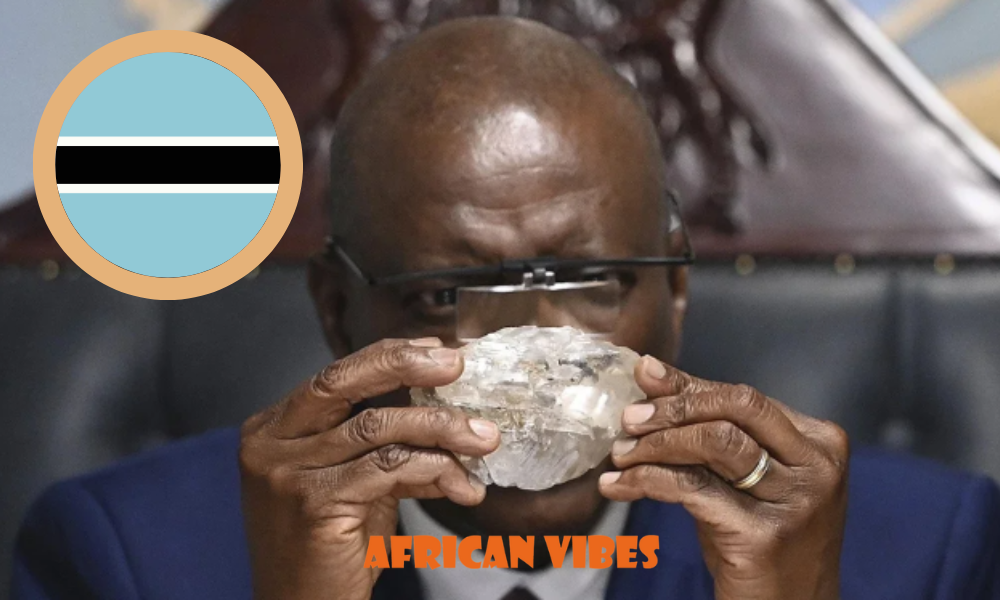
Gaborone, Botswana Hold up, Africa! Because something truly big just dropped in the diamond world, and it’s got “game changer” written all over it. Botswana’s President Duma Boko isn’t just talking tough; he’s drawing a line in the sand, or rather, in the diamond mine: “No diamond will leave this country raw — all will be cut and polished here.”
This isn’t just some dusty economic policy change. Oh no, this is a seismic shift in how Africa wants to play the global resource game. It’s about taking back control, adding serious value, and finally, truly benefiting from the incredible riches lying beneath its soil. And trust us, for everyone in the African diaspora, this hits different.
The Epic Saga of Africa’s “Lost” Riches: Why This Matters, Like, A Lot
Let’s get real for a sec. The story of Africa and its resources has been a long, often painful one. Imagine this: For centuries, rich nations would come to Africa, dig up vast amounts of raw materials – be it cocoa, oil, or, yes, diamonds – and then ship them off. They’d process them, turn them into fancy, high-value products (think artisanal chocolate, designer gasoline, glittering jewelry), and then, sometimes, sell them back to Africa at exorbitant prices.
It’s what we call the “round-tripping” model, and it’s basically like giving away your ingredients, only to buy back the finished cake for way more than it should cost.

The result? Africa has been bleeding revenue and opportunities:
- Massive Revenue Misses: We’re talking billions upon billions of dollars in lost income. The real money isn’t in digging up dirt; it’s in transforming that dirt into something glorious. Think about it: a raw diamond is valuable, sure, but a perfectly cut, sparkling diamond ready for a Tiffany’s necklace? That’s where the major profit margins happen. Africa has been missing out on that entire, lucrative chunk of the pie.
- Economic Rollercoasters: When your economy depends on selling raw stuff, you’re at the mercy of global commodity prices. One day oil is up, the next it crashes. This makes it super hard to plan for long-term growth, invest in schools, or build infrastructure. It’s a boom-and-bust cycle that keeps many African nations on shaky ground.
- Exporting Jobs, Importing Poverty: When you send raw materials out, you’re not just sending resources; you’re sending jobs. All those skilled positions in processing, manufacturing, logistics, and design? They go to other countries. This leaves African nations with fewer opportunities for their own youth, perpetuating a cycle of underdevelopment.
So, why is Botswana making this move now? Well, even for one of Africa’s most stable economies, the pressure is on. Recent dips in global diamond sales and economic contraction have highlighted the vulnerability of relying so heavily on raw exports. Plus, diamonds aren’t forever. Botswana knows it needs to diversify and build sustainable industries for the long haul.

Botswana’s Bold Strategy: Leveling Up Their Diamond Game
President Boko’s plan isn’t just talk. It’s about a concrete transformation:
- From “Rough” to “Ready-to-Sparkle”: Currently, only about 10% of Botswana’s rough diamonds get cut and polished locally. The goal? 100%. Imagine the impact! This means creating a fully integrated “mine-to-market” pipeline right there in Botswana.
- Beyond the Bling: While diamonds are the focus, this strategy extends to other critical minerals like copper and nickel. It’s a holistic vision for industrializing the entire resource sector.
What’s in it for Botswana?
- $$$ Value Retention: Keeping way more of the final price of a diamond right there in Botswana.
- JOB CREATION: We’re talking thousands of skilled jobs in cutting, polishing, designing, and even jewelry making. This isn’t just about mining; it’s about craftsmanship and artistry.
- Skill Power-Up: Botswana will develop a world-class workforce in high-value manufacturing, building expertise that can spill over into other sectors.
- Economic Superpowers: Less reliance on just raw exports means a more resilient, diversified economy.
- National Pride on Flex: Controlling your own destiny and showing the world what you’re capable of? Priceless.
ALSO READ: Ghana’s Gold Exports Hit $5.2 Billion in 2025 — A Record Start to the Year
Global Glow-Ups: Who Else Made This Move (And How Did It Work Out)?
Botswana isn’t flying blind here. Other nations have walked this path, transforming their resource industries to benefit their citizens.
- Norway (Oil & Gas): These guys are the gold standard. Instead of just pumping oil and selling it raw, Norway developed deep expertise in offshore drilling, engineering, and processing. Crucially, they set up a massive Sovereign Wealth Fund with oil revenues, investing it for future generations. They avoided the “resource curse” by keeping control and planning long-term.
- Malaysia (Palm Oil & Tin): Malaysia successfully moved from exporting raw palm oil and tin ore to processing them into refined products and even consumer goods. This was driven by strategic government policies, investment in technology, and a focus on building local skills. They literally built an industry from the ground up.
- Chile (Copper): While still a massive raw copper exporter, Chile has made strides in basic processing and some downstream industries. It’s a continuous journey, but it shows that even commodity giants can move up the value chain.
These examples prove that with political will, strategic investment, and a long-term vision, nations can transform their raw resource industries into engines of sustainable, inclusive growth.

ALSO READ: Burkina Faso’s Gold Controversy: Traoré, AFRICOM, and Africa’s Fight for Resource Sovereignty
A Blueprint for the Continent: Why the Diaspora Should Be HYPED
Botswana’s diamond decree is more than a national strategy; it’s a potential blueprint for the entire African continent. Imagine a future where:
- African cocoa is processed into African chocolate bars, sold globally.
- African cotton is spun into African fabrics, designed into African fashion lines.
- African minerals fuel African technology, built by African hands.
This aligns perfectly with the ambitions of the African Continental Free Trade Area (AfCFTA) – building robust, intra-African value chains that reduce dependence on external markets and truly unlock the continent’s economic power.
For the African diaspora, this isn’t just news; it’s inspiration. It’s a call to action. Whether through investment, skill transfer, advocating for ethical sourcing, or simply amplifying these powerful stories, supporting this new wave of African industrialization is crucial. It’s about building a continent where resources genuinely uplift its people, fostering true economic independence for generations to come.
The road ahead won’t be without its challenges, of course. But President Boko’s audacious move is a clear signal: the sparkle of Botswana’s diamonds now reflects not just their inherent beauty, but the fierce determination of a continent ready to forge its own wealth, on its own terms. And that, my friends, is a story we can all get behind.