


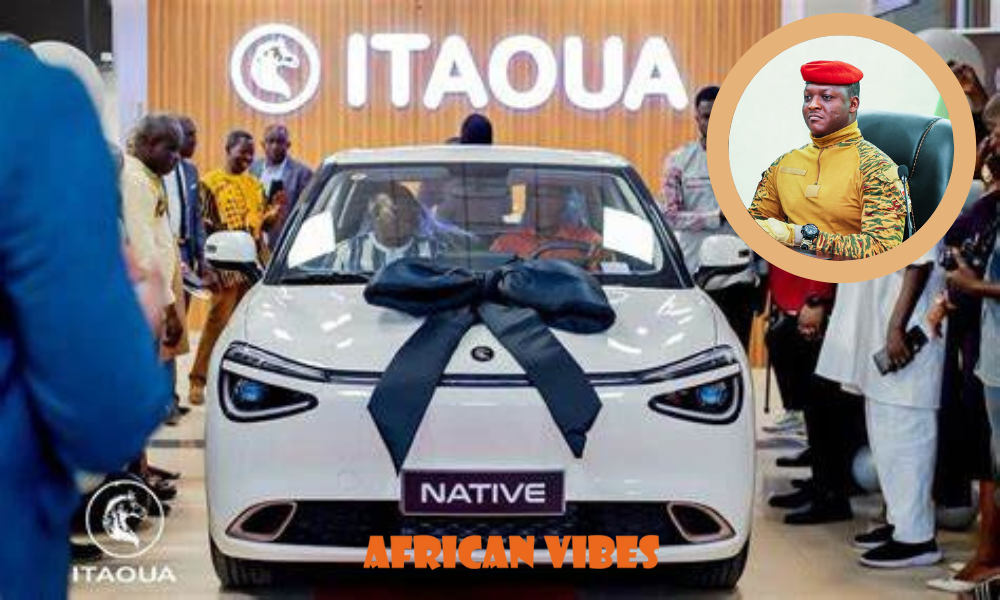
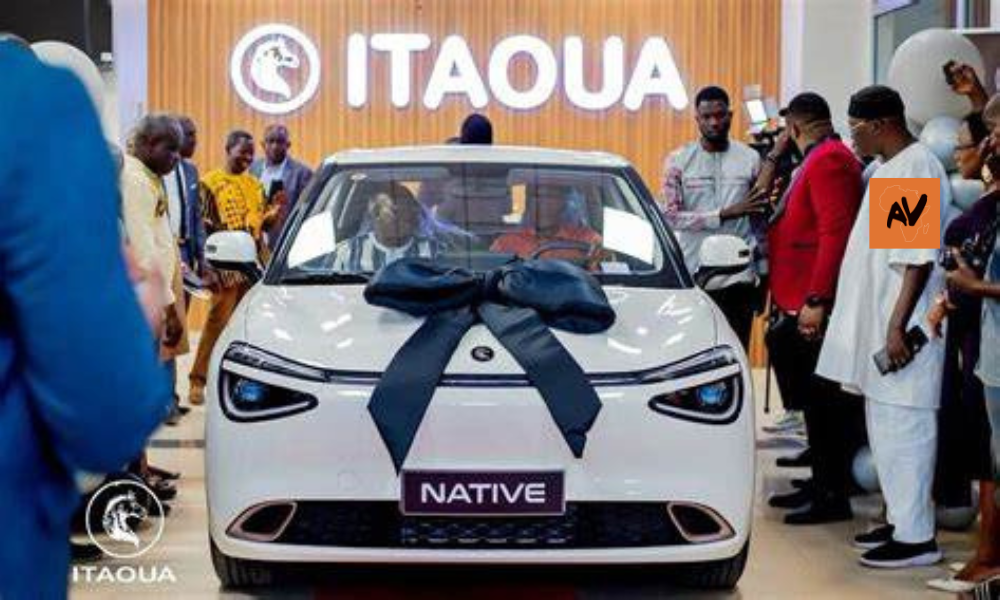
Burkina Faso has made an extraordinary leap into the future of sustainable transportation with the unveiling of its first homegrown electric vehicle, the ITAOUA. As Africa increasingly embraces renewable energy and technological innovation, ITAOUA is leading the charge in transforming the country’s automotive industry.
This groundbreaking development not only highlights Burkina Faso’s local engineering expertise but also paves the way for job creation and industrial growth, positioning the country as a technological hub in West Africa.
Burkina Faso’s Leap into Technological Innovation
The launch of ITAOUA marks a significant milestone in Burkina Faso’s drive toward technological self-sufficiency. Developed by local engineers, the ITAOUA is a 100% electric and solar-powered vehicle that promises to change the automotive landscape in the country. The vehicle’s advanced features, such as solar charging, Bluetooth connectivity, and GPS navigation, demonstrate the country’s commitment to sustainable innovation.
Manufactured in Ouagadougou, at a state-of-the-art facility in the Ouaga 2000 district, ITAOUA has been designed to cater to the needs of both urban and rural environments. With a range of 330 kilometers (205 miles) on a single 30-minute charge, the ITAOUA is well-equipped to handle the diverse transportation needs of Burkinabe citizens.
The vehicle’s introduction into the market has not only put Burkina Faso on the map as a leader in green technology but also as a beacon for other African nations looking to build their own local electric vehicle industries.
ALSO READ: Top African Mobility Startups Driving Electric and Sustainable Transport in 2025
Economic Impact: Job Creation and Industrial Growth
One of the most exciting aspects of ITAOUA’s development is the impact it will have on Burkina Faso’s economy. The production of ITAOUA is expected to generate thousands of jobs, contributing to the growth of the manufacturing, automotive, and renewable energy sectors.
Local employment opportunities will span the entire electric vehicle ecosystem, including vehicle production, sales, maintenance, and the installation of solar charging stations. This job creation extends beyond the automotive sector, stimulating growth in complementary industries such as construction, logistics, and technology.
By tapping into local talent and resources, ITAOUA is creating a ripple effect that will lead to economic self-sufficiency and growth within the country.
Moreover, ITAOUA represents a departure from Burkina Faso’s reliance on imported vehicles, providing a competitive alternative that reduces foreign exchange expenditures. With the automotive market growing in Africa, ITAOUA presents a valuable opportunity for Burkina Faso to carve out a niche in the emerging electric vehicle market, boosting the country’s standing within the global automotive industry.
ALSO READ: Inside Kenya’s Solar-Powered Motorcycle Boom
Sustainability and Environmental Impact
In addition to its economic benefits, ITAOUA is a game-changer in the quest for environmental sustainability. As part of a broader strategy to adopt renewable energy, Burkina Faso has been investing heavily in solar power infrastructure.
The launch of ITAOUA is perfectly aligned with this national vision, as the vehicle’s solar-powered design complements the country’s growing solar energy network.
Burkina Faso’s recent solar energy projects, such as the Pâ Solar Power Station, Kodeni Solar Power Station, and Zina Solar Power Station, are helping to supply clean, renewable energy to thousands of Burkinabe citizens.
These solar plants are critical to supporting ITAOUA’s solar charging system, making it a viable solution to reduce carbon emissions and minimize the country’s reliance on fossil fuels. By utilizing the abundant solar resources available in Burkina Faso, ITAOUA not only offers a clean alternative to traditional vehicles but also strengthens the country’s renewable energy infrastructure.
As more African countries adopt solar-powered vehicles, ITAOUA sets a precedent for other nations to follow. This synergy between electric vehicles and solar energy is a vital step toward a sustainable future for Africa, where energy and transportation are increasingly interlinked.

Broader Implications for Africa’s Technological Landscape
ITAOUA’s success in Burkina Faso is more than just a local triumph; it represents a significant shift in Africa’s technological landscape. The electric vehicle market in Africa is growing rapidly, with projections indicating the market could be worth $21.39 billion by 2027. ITAOUA stands at the forefront of this movement, demonstrating the potential for homegrown innovation to disrupt traditional industries.
The success of ITAOUA could inspire other African countries to invest in their own electric vehicle manufacturing, contributing to the continent’s self-sufficiency in technology and reducing reliance on imports. By fostering local industries and creating sustainable solutions tailored to African needs, ITAOUA is setting the stage for Africa to become a leader in green technology.
Moreover, the growth of the electric vehicle market in Africa presents significant opportunities for job creation, energy independence, and environmental preservation across the continent. As countries like South Africa, Kenya, and Nigeria explore the potential for local electric vehicle production, ITAOUA serves as a model of how African nations can leverage their resources and local expertise to foster sustainable industrial growth.
Conclusion
Burkina Faso’s launch of the ITAOUA electric vehicle represents a groundbreaking step in the country’s technological and economic development. By embracing local innovation and sustainable solutions, Burkina Faso is not only creating jobs and boosting its economy but also positioning itself as a leader in Africa’s transition to green technology. As other African nations follow suit, ITAOUA’s success story will inspire a new era of innovation, job creation, and environmental sustainability across the continent.
The ITAOUA electric vehicle is a testament to what can be achieved when African nations invest in their own technological solutions, making a significant impact on both local economies and the environment. As Burkina Faso continues to grow as a technological hub in West Africa, the ITAOUA serves as a powerful reminder of the potential for sustainable development and innovation across the continent.