


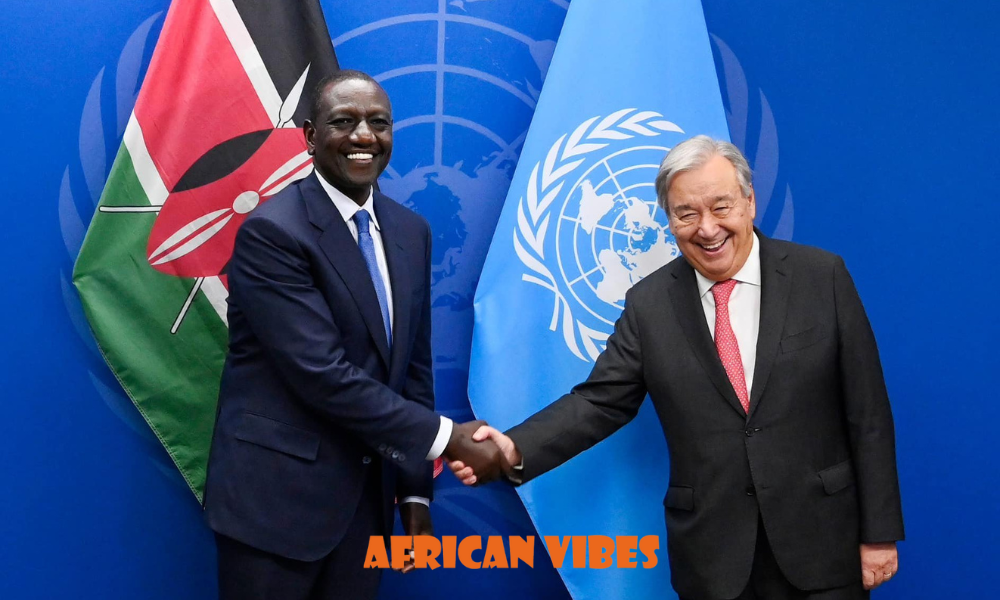
Nairobi is poised for a monumental shift as it prepares to welcome the global headquarters of three pivotal United Nations agencies: the United Nations Children’s Fund (UNICEF), the United Nations Population Fund (UNFPA), and UN Women.
This strategic relocation from New York, set to be completed by late 2026, is more than just a logistical exercise; it represents a bold commitment by the United Nation to deepen its engagement with the Global South, positioning Nairobi alongside New York, Geneva, and Vienna as a premier global United Nation hub.
For Africa, and particularly for Kenya, this move is a testament to growing influence and a catalyst for transformative economic, political, and social dividends, solidifying Nairobi’s stature as a beacon of African progress.
ALSO READ: West African Leaders Chart New Economic Frontiers with US Amidst Shifting Global Dynamics
Background: A Vision for Decentralization and Deeper Impact
The decision to relocate these significant United Nation agencies is deeply rooted in the broader UN@80 reform agenda, a strategic initiative aimed at decentralizing operations from high-cost cities and fostering greater efficiency and responsiveness.
For decades, the disproportionate concentration of United Nation headquarters in Western capitals has often led to a disconnect between policy formulation and on-the-ground realities in regions like Africa, which are at the heart of many UN operations, from humanitarian relief to climate adaptation.
Nairobi has long been a vital United Nation operational base, already hosting the global headquarters for the United Nations Environment Programme and UN-Habitat. The city’s journey as a significant diplomatic center began with the establishment of UNEP in 1973, which initially had a modest staff of 300, now boasting over 6,500 staff and 11,000 dependents.
This consistent growth underscores Nairobi’s proven capacity and strategic advantage. The current move signifies an acceleration of this trend, aiming to bring decision-making closer to the populations most affected by the agencies’ mandates – children’s rights, gender equality, and reproductive health. This strategic realignment is seen as crucial for the United Nation to remain effective, legitimate, and truly representative in the 21st century.
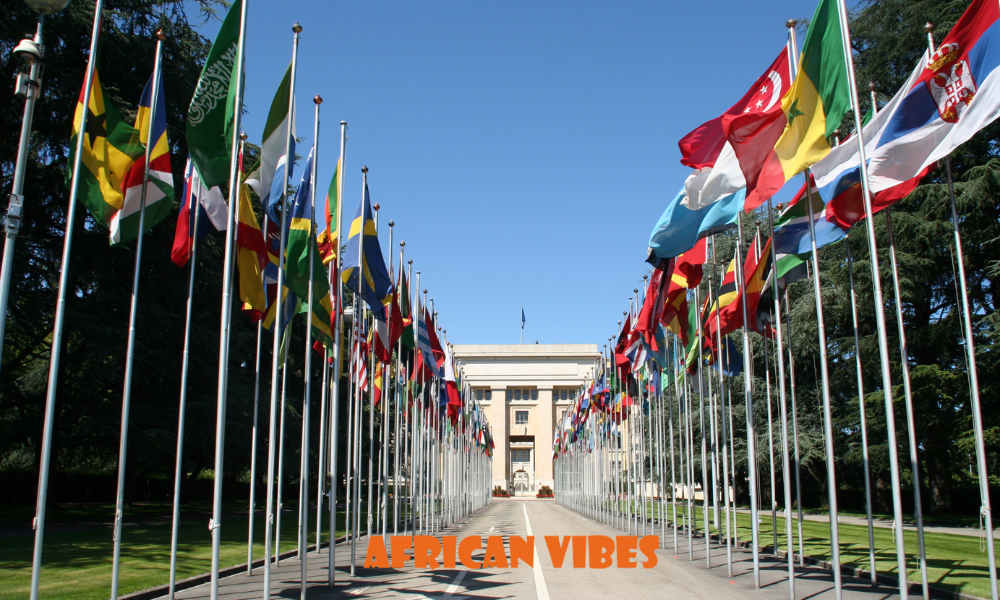
Key UN Developments: Infrastructure, Staffing, and Government Buy
In Preparations for this momentous relocation are well underway. The United Nations Office at Nairobi complex in Gigiri is undergoing extensive infrastructure improvements, backed by a significant US$340 million investment.
These upgrades include the construction of a state-of-the-art, 9,000-seat Assembly Hall – the first such facility built by the United Nation for General Assembly functions outside New York since 1949 – along with 30 new conference rooms. This expansion will position Nairobi’s United Nation hub among the most advanced globally, rivalling its counterparts in Geneva and New York in scale and capacity.
While the exact number of staff to be relocated remains a subject of ongoing discussion at the highest levels, reports suggest that UNFPA, for instance, plans to move up to 25% of its global staff to Nairobi by 2025. This initial influx, coupled with the arrival of UNICEF and UN Women personnel, is expected to bring at least 800 new United Nation staff to Nairobi, with the total influx including families and support workers potentially reaching 20,000.
The Kenyan government has enthusiastically embraced this development. Prime Cabinet Secretary Musalia Mudavadi confirmed the decision in February 2025 following discussions with Philemon Yang, the President of the 79th United Nation General Assembly.
Director-General of UNON, Zainab Hawa Bangura, has consistently highlighted Nairobi’s growing prominence, emphasizing its status as the fastest-growing United Nation duty station globally. This strong governmental support and proactive engagement have been instrumental in facilitating the relocation.
ALSO READ: Trump’s White South African ‘Refugees’ Get Red Carpet Treatment At The Airport
Impact and Analysis: A Catalyst for Growth and Influence
The implications of this relocation for Kenya and the wider East African region are profound and multifaceted, solidifying Nairobi’s position as a vibrant African hub for diplomacy and development.
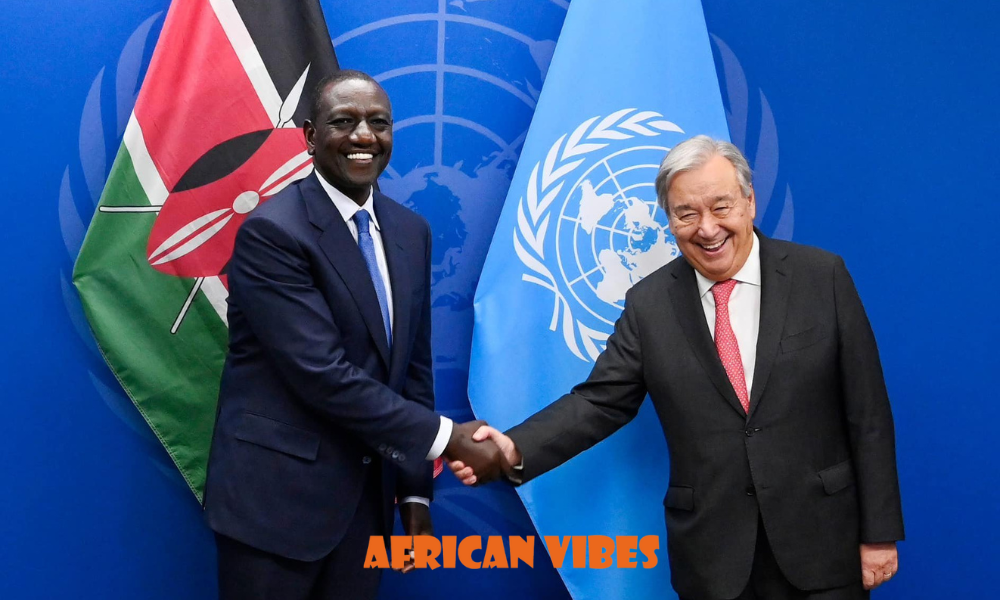
Economic Boom:
The most immediate impact will be a significant boost to Kenya’s economy. The influx of thousands of United Nation staff and their dependents will generate enormous demand across various sectors.
The real estate market, particularly in diplomatic neighborhoods like Gigiri, Runda, and Muthaiga, is already seeing increased interest, with developers eyeing opportunities for United Nation-compliant housing, office parks, and secure facilities.
The hospitality, healthcare, education, and logistics sectors are also poised for substantial growth. Local businesses, from transport services to event planning, will experience a surge in demand, fostering job creation and stimulating the economy.
This presents a unique window for diaspora investors, particularly in the property sector, to tap into this growing demand for secure, high-end, and strategically located housing.
ALSO READ: Ghana President Mahama and Barroso Champion a Healthier Africa and Driving Vaccine Equity
Job Creation and Human Capital Development:
Beyond the direct relocation of United Nation staff, the move is expected to create thousands of indirect job opportunities for Kenyans.
This expansion will open new avenues for young professionals, returnees, and international experts in fields like international development, policy, gender rights, humanitarian aid, and project management.
Local universities and institutions are likely to benefit from increased demand for policy research, talent partnerships, and specialized training programs, fostering significant human capital development.
Amplified Diplomatic and Political Influence:
Hosting the global headquarters of UNICEF, UNFPA, and UN Women elevates Nairobi’s diplomatic standing significantly. It establishes the city as a global platform for shaping conversations around critical issues such as children’s rights, gender equality, and reproductive health.
Kenya’s voice in global development and diplomacy will be amplified, further repositioning the country as a leader on both African and international stages. This move aligns with Kenya’s foreign policy pillars, including peace and environmental diplomacy, and reinforces its commitment to global cooperation.
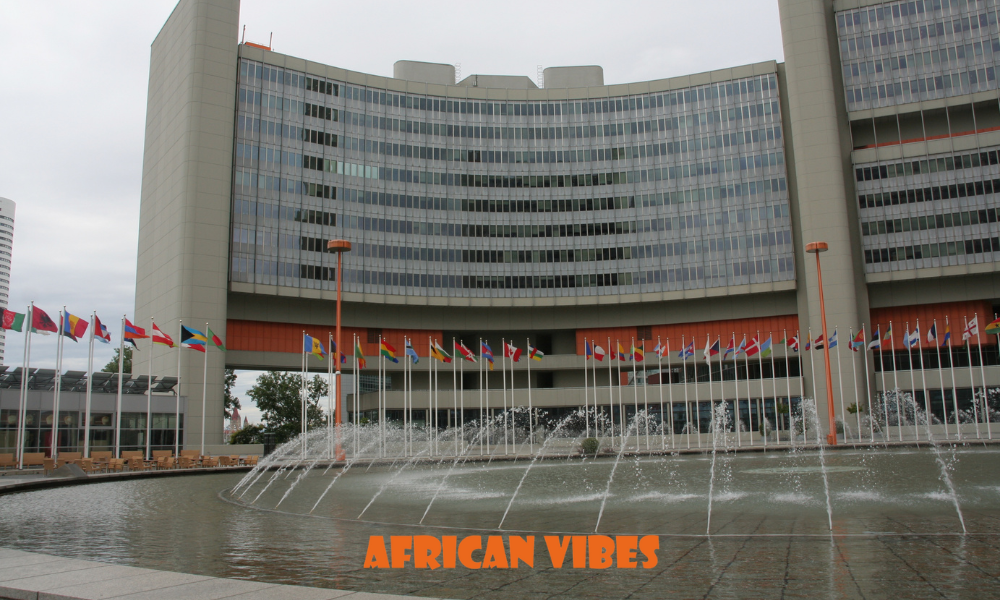
Enhanced Operational Efficiency and Responsiveness:
From a pragmatic standpoint, relocating these agencies closer to where their policies are implemented will improve response times, enhance coordination with regional institutions, and potentially reduce operational costs.
Being on the ground allows for a deeper understanding of local realities, leading to more relevant and impactful programs. This strategic proximity is especially crucial given that Africa is at the forefront of many global challenges that these agencies address.
ALSO READ: Ibrahim Traoré’s Bid for Visionary Prison Reforms in Burkina Faso
Challenges and Considerations:
While the benefits are substantial, the relocation is not without its challenges. The massive influx of people and demand for services will require careful planning to mitigate potential issues like increased cost of living, strain on existing infrastructure, and potential social adjustments.
There have also been reports of “low morale” among some New York-based staff concerned about the move, highlighting the need for robust support systems and effective communication during the transition.
Ensuring adequate housing, healthcare, and educational facilities for the incoming international staff and their families will be paramount for a smooth transition. Furthermore, the selection of Nairobi over other potential African cities has drawn some discussion, although Nairobi’s existing United Nation infrastructure, geopolitical positioning, and robust financial and logistical capabilities have been cited as key determinants.
Conclusion: A New Era for African-led Global Governance
The relocation of UNICEF, UNFPA, and UN Women’s global headquarters to Nairobi marks a pivotal moment in the evolution of global governance. It signifies a tangible commitment by the United Nations to a more equitable and effective multilateral system, one that is truly responsive to the needs and aspirations of the Global South.
For Kenya, this is a moment of immense national pride and opportunity, solidifying Nairobi’s role as a powerhouse for sustainable development and a vibrant African capital on the world stage.
As the United Nation strengthens its footprint in Africa, it paves the way for greater African ownership and leadership in shaping global solutions, ushering in a new era of collaborative and impactful international relations. The world will be watching as Nairobi embraces its expanded role, leading the charge for a more inclusive and representative global future.