


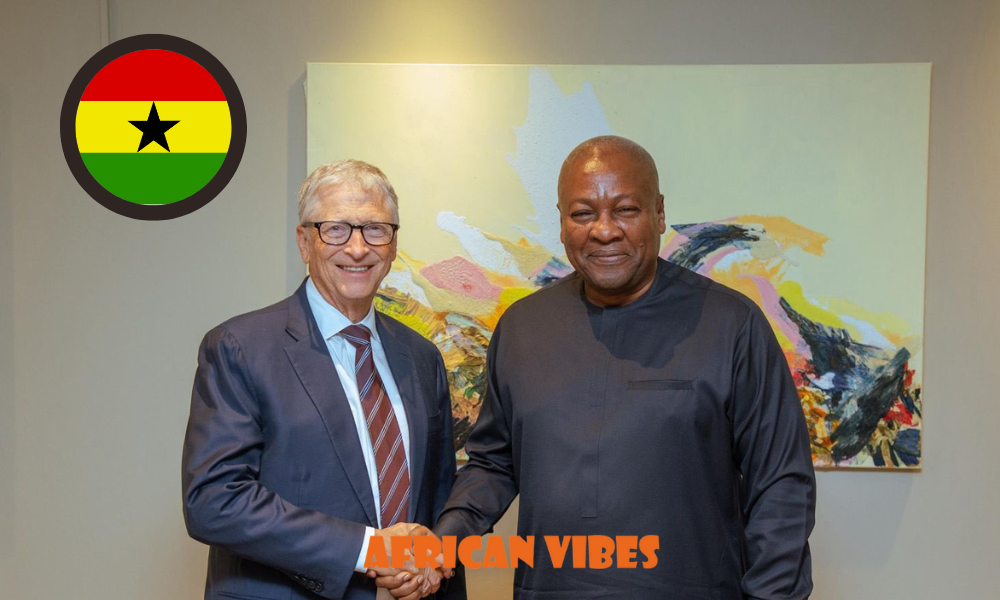
A renewed vision for Africa’s health future took center stage this month as two global statesmen—former Ghanaian President John Dramani Mahama and José Manuel Barroso, Chairman of the Gavi Board—rallied behind one of the most critical global health goals of our time: equitable access to vaccines and the localization of vaccine production across Africa.
Their high-level discussions, held ahead of Gavi’s pivotal 2026–2030 pledging session, signaled more than a ceremonial meeting. They were strategic, purposeful, and deeply rooted in a shared belief: that African countries must be at the heart of shaping their own health destiny.
A New Chapter in African Health Diplomacy
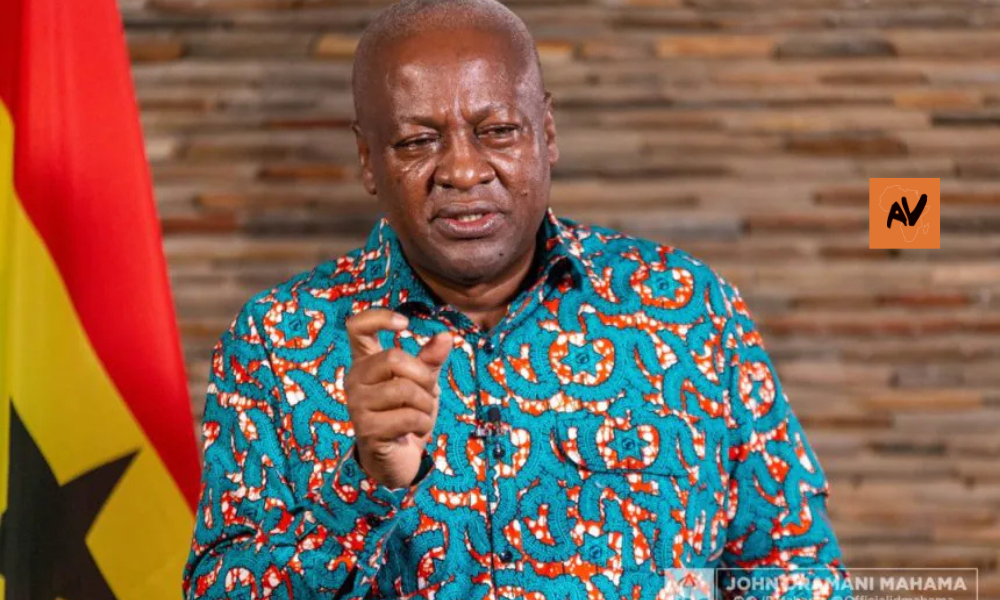
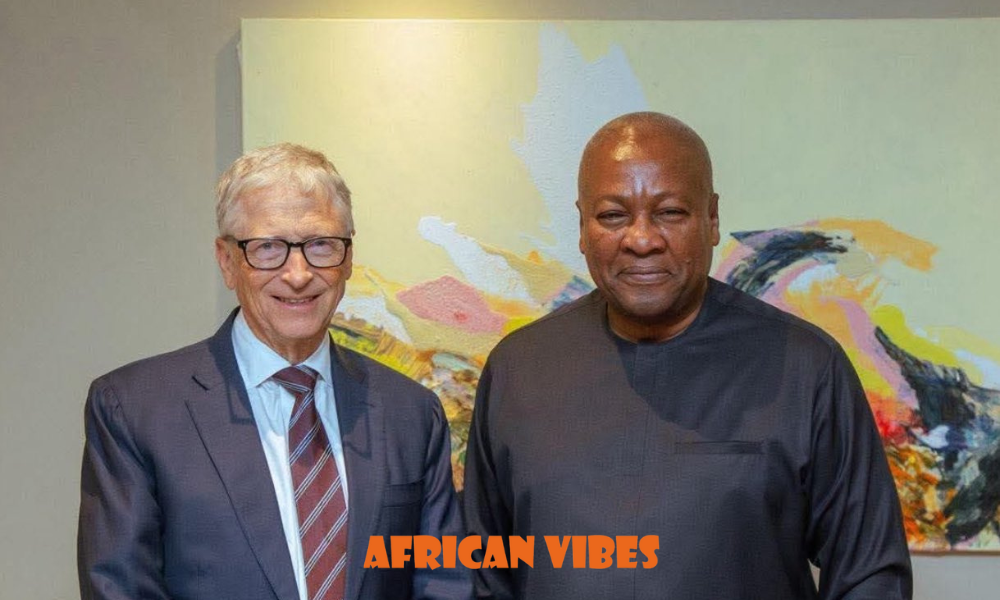
As a Gavi Ambassador, John Mahama has emerged as a leading voice for vaccine equity, bringing diplomatic gravitas and continental insight to the global stage. In Brussels, his meetings with Barroso, and key philanthropic leaders including Bill Gates, emphasized Africa’s dual role—not just as a recipient of global aid but as an active stakeholder co-creating solutions for long-term health security.
This shift in narrative is critical. It repositions African nations from the periphery to the core of global health planning, where they drive investment, influence policy, and build resilient systems responsive to local realities.
Barroso, who also served as President of the European Commission, praised Mahama for his unwavering leadership, stating, “President Mahama has been instrumental in advancing Gavi’s mission, not just as a diplomat, but as a statesman deeply committed to transforming the health landscape of Africa.”
Gavi and Africa: A 25-Year Journey of Impact
Since its launch in 2000, Gavi, the Vaccine Alliance has played a defining role in transforming childhood immunization across the Global South. Built as a bold public-private partnership, Gavi united international organizations, donor and recipient governments, vaccine manufacturers, and philanthropies around one audacious mission: to make life-saving vaccines accessible to all.
In Africa, this mission has materialized in profound ways:
- 469 million African children immunized through Gavi-supported programs
- An estimated 12 million future deaths averted
- Child mortality halved in several countries
- A rise in vaccine coverage from less than 50% to over 80% in some regions
These are more than just statistics—they represent a generation of children spared the suffering of preventable diseases, families strengthened, and national economies bolstered through a healthier, more productive population.
Moreover, Gavi’s support has been dynamic. The Alliance has evolved to introduce newer vaccines for diseases like HPV, rotavirus, and malaria—ensuring African children are not left behind in accessing the latest health innovations.
Gavi 6.0: A Bold Vision for 2026–2030
The Brussels pledging session was convened to secure funding for Gavi’s 6.0 strategy, which sets out an even more ambitious goal:
✅ 500 million children immunized
✅ 8 million lives saved
✅ Up to 150 outbreaks prevented
✅ An estimated $100 billion in economic benefits generated
This is not just a health agenda—it’s a development agenda, tightly linked to Africa’s aspirations for self-reliance and economic transformation.
With Mahama at the forefront, Africa’s voice was loud and clear: the continent is no longer content with dependency. It demands fair access, regional vaccine manufacturing, and investment in local health infrastructure.
“Africa must become a full partner in vaccine science,” Mahama asserted. “We must invest not only in access, but in ownership—of technology, of production, and of our people’s health outcomes.”
Local Production: The Next Frontier
While global vaccine access is improving, the COVID-19 pandemic revealed a deep vulnerability: Africa produces less than 1% of its vaccines. This dependence created bottlenecks and delays during times of global crisis.
Barroso and Mahama both underscored the importance of regional vaccine hubs, where African countries can produce, regulate, and distribute vaccines tailored to local needs. Such initiatives are already taking root in Rwanda, South Africa, Senegal, and Egypt—each a promising step toward continental health sovereignty.
Gavi is expected to play a catalytic role in scaling these efforts by investing in supply chain logistics, cold storage, training, and technology transfer. With global backing, the vision of an Africa that manufactures its own vaccines at scale is within reach.
ALSO READ: Ghana Revolutionizes Student Living with Free Luxurious Hostels Across Universities
Africa’s Place in Global Health Governance
The alliance between Mahama and Barroso also reflects a broader trend—the inclusion of African leadership in shaping global health policies. Rather than imposing top-down strategies, global institutions like Gavi are increasingly listening to regional leaders and embedding African priorities into their core strategies.
This alignment is timely. The African Union’s Agenda 2063, the WHO’s regional frameworks, and the Africa CDC’s New Public Health Order all emphasize capacity-building, epidemic preparedness, and vaccine equity. These frameworks are not abstract ideals—they are roadmaps for transforming Africa from a recipient to a resilient global health leader.
The Road Ahead: Unity, Funding, and Focus
To realize this bold vision, the world must come together to fully fund Gavi’s $9 billion replenishment goal for 2026–2030. Every dollar contributes to saving lives, protecting future generations, and building a more stable world.
Africa’s leaders—like Mahama—are showing what strong advocacy, diplomatic skill, and clear vision can achieve. In turn, global partners must respond with trust, commitment, and urgency.
Closing Thoughts
The future of global health is African—and it will be built not by handouts, but by partnerships, investment, and African-led innovation.
The legacy of Mahama and Barroso’s Brussels engagement is not just a strategy document or a headline; it is a symbol of a new era. One where health equity is not a luxury, but a guarantee. And where Africa is not on the sidelines, but leading the charge toward a healthier, more prosperous world.