


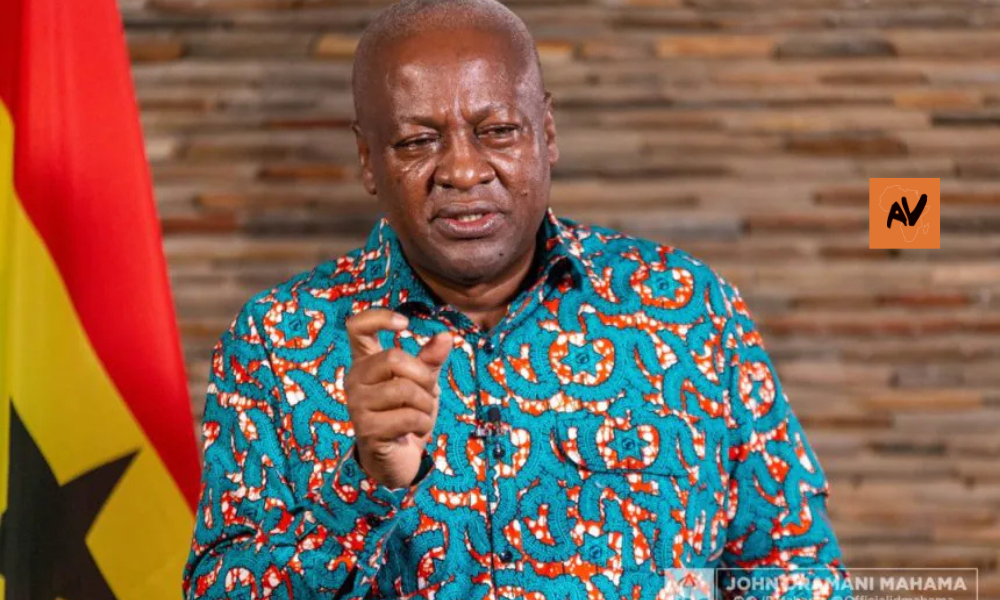
In a milestone for African debt reform and global financial cooperation, Ghana has officially secured a €87.7 million debt relief package from France. Announced on July 25, 2025, the deal is the first bilateral agreement concluded under the G20 Common Framework, making Ghana a trailblazer in tackling sovereign debt in a fair, coordinated, and development-focused manner.
For Ghana, this agreement is far more than a financial reprieve—it marks the dawn of renewed economic possibilities, signaling the country’s determination to rise from fiscal crisis and invest confidently in its people and future.
From Crisis to Commitment: Ghana’s Debt Journey
Ghana’s path to this agreement began in turmoil. By late 2022, the country faced mounting debt distress, culminating in a historic default on its external loans. The ripple effects of the COVID-19 pandemic, global inflation, and monetary tightening had strained the economy, pushing the public debt load to nearly 90% of GDP.
Recognizing the urgent need for intervention, Ghana moved swiftly to stabilize its economy. In May 2023, it secured a US$3 billion Extended Credit Facility (ECF) from the International Monetary Fund (IMF). This set the stage for broader debt restructuring under the G20 Common Framework, a mechanism specifically designed to streamline debt treatments for low-income countries by aligning Paris Club and non-Paris Club creditors.
Unlike previous ad-hoc arrangements, the Common Framework represents a more holistic and equitable approach to debt resolution. Ghana’s participation became a test case for this new international model—one that now offers inspiration for other nations in fiscal distress.
The Deal: A Comprehensive and Forward-Looking Agreement
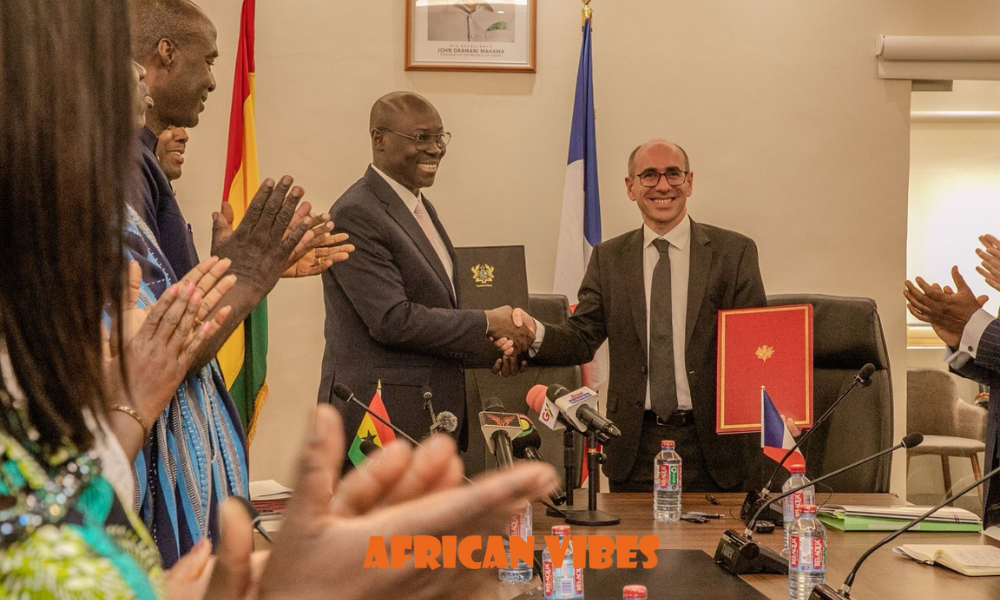
The €87.7 million debt relief package from France follows nearly two years of detailed negotiations, culminating in a deal that suspends all debt service payments owed to France for the duration of Ghana’s IMF-supported program.
Key components of the agreement include:
- 100% suspension of debt service payments to France
- Reduced interest rates
- Extended loan maturities
- Alignment with the Memorandum of Understanding (MoU) signed in June 2024 with the Official Creditor Committee (OCC), co-chaired by France and China
“This is the most significant milestone in Ghana’s debt restructuring process,” declared Finance Minister Dr. Cassiel Ato Forson, during the signing ceremony in Accra. “In difficult times, you discover your true friends. France stood with us, and for that, Ghana is deeply grateful.”
William Roos, Secretary-General of the Paris Club, praised Ghana’s diplomatic rigor, calling the country’s approach “professional, determined, and a model for how debtor nations can navigate complex creditor relationships.”
Unlocking Fiscal Space for Development
This debt relief unlocks substantial fiscal resources that can now be redirected toward critical public investments. Previously burdened by debt service costs, Ghana can now channel funds into:
- Healthcare – improving access and quality
- Education – expanding infrastructure and digital literacy
- Agriculture – enhancing food security and supporting rural livelihoods
- Infrastructure – driving job creation and regional integration
These align closely with Ghana’s medium-term development priorities and its commitment to the United Nations Sustainable Development Goals (SDGs)—especially in areas of poverty alleviation, education, and economic inclusion.
ALSO READ: Ghana Revolutionizes Student Living with Free Luxurious Hostels Across Universities
Restoring Confidence, Rebuilding Growth
Beyond the numbers, this deal is a vote of confidence in Ghana’s reform agenda. Economic indicators have already begun to show positive trends:
- Inflation has dropped from a peak of 54% to 13.7%
- Foreign exchange reserves now cover 4.8 months of imports
This improved macroeconomic outlook is expected to attract renewed investor interest, while also encouraging other official and private creditors—including China, India, and private bondholders—to finalize complementary agreements.
Dr. Forson stressed the need for continued collaboration: “This is just the beginning. We urge all creditor partners to follow France’s example and help Ghana complete this journey.”
France’s Role: More Than a Creditor, a Strategic Partner
France’s proactive role underlines the evolution of bilateral partnerships based on mutual prosperity. French Ambassador Jules-Armand Aniambossou revealed that President Emmanuel Macron personally endorsed Ghana’s request, recognizing the country’s strategic importance in West Africa and the risks posed by prolonged economic instability in the region.
France’s leadership sends a message to the global community: development-focused diplomacy and respectful engagement with African partners is not only possible—it’s transformative.
Implications for Africa: A Blueprint for Future Debt Solutions
Ghana’s success has broader implications. It proves the G20 Common Framework can work—when debtor nations show political will and creditors respond with fairness.
This contrasts sharply with other countries like Zambia, where progress under the Common Framework has been slower. Ghana’s achievement offers lessons in coordination, urgency, and transparency that can inform future debt restructuring efforts across Africa.
More importantly, it reignites the Pan-African narrative that African nations are not passive recipients of aid, but active architects of their recovery and growth.
ALSO READ: Mali’s Interim President Assimi Goïta’s extended term in office.
The Road Ahead: Challenges and Opportunities
While this agreement marks a pivotal moment, the journey is far from over. Ghana must continue:
- Negotiating with private creditors to complete its restructuring package
- Maintaining fiscal discipline to avoid a recurrence of unsustainable borrowing
- Strengthening domestic revenue mobilization to finance long-term development
If these steps are taken, Ghana’s model can become the new gold standard for other countries navigating similar challenges.
Conclusion: A Defining Moment for Ghana—and for Africa
The €87.7 million debt relief deal between Ghana and France is more than a policy success—it is a moment of African resurgence. It reflects a nation determined to rise, a partnership based on respect, and a global framework starting to deliver on its promise.
Ghana is not only stabilizing its economy—it is inspiring a continent. Through resilience, diplomacy, and strategic action, it has turned crisis into opportunity. This is Ghana’s new chapter. And it may be the beginning of a new African economic renaissance.