


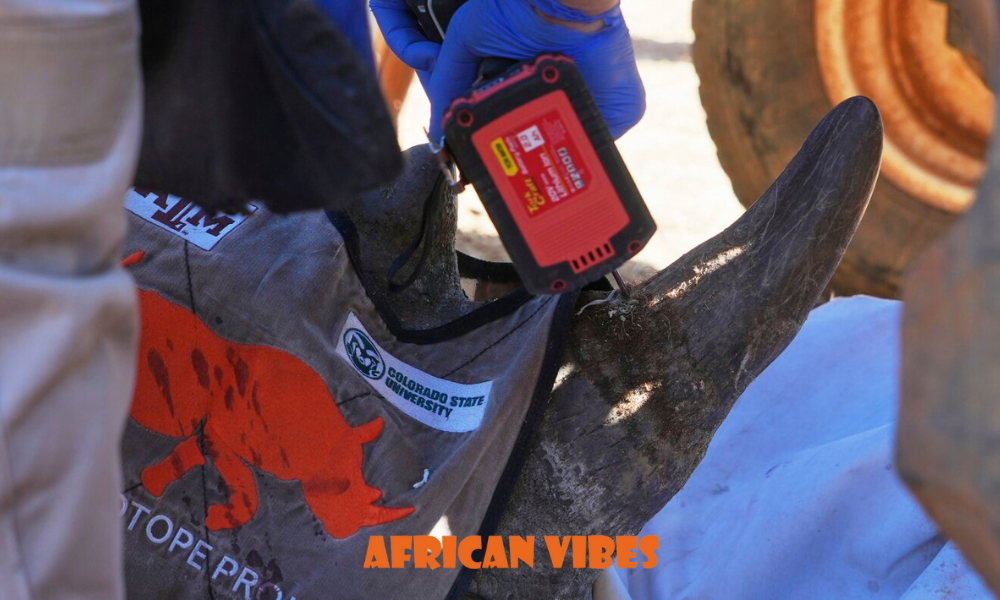
In a move that blends cutting-edge science with the urgent mission of conservation, South African researchers have launched a groundbreaking initiative to combat the relentless scourge of rhino poaching.
Known as the Rhisotope Project, this audacious strategy involves a seemingly counterintuitive step: injecting rhino horns with trace amounts of radioactive isotopes, rendering them useless for black market trade and easily detectable by existing nuclear security systems worldwide.
The project is an innovative response to a crisis that has seen South Africa, home to the world’s largest rhino population, become the epicenter of a poaching epidemic. With an estimated 500 rhinos still being killed each year, traditional anti-poaching measures—from armed patrols to dehorning—have struggled to keep pace with sophisticated criminal syndicates.
This new approach shifts the focus from the act of poaching itself to disrupting the illicit trade chain, a paradigm shift that could offer a sustainable solution to one of Africa’s most pressing environmental challenges.
The Historical Crisis and a Call for Innovation
For decades, rhino poaching has been a devastating force across the African continent. The demand for rhino horn, fueled by a mistaken belief in its medicinal properties and its use as a status symbol in parts of Asia, has created a lucrative black market.
This trade, valued at millions of dollars, has pushed both black and white rhino species to the brink of extinction. The history of this crisis in South Africa is a sobering narrative of a nation’s soul being threatened by a relentless assault on its natural heritage. Despite robust laws and the valiant efforts of rangers, poachers often outgun and outmaneuver conservationists, leaving a trail of death and despair.
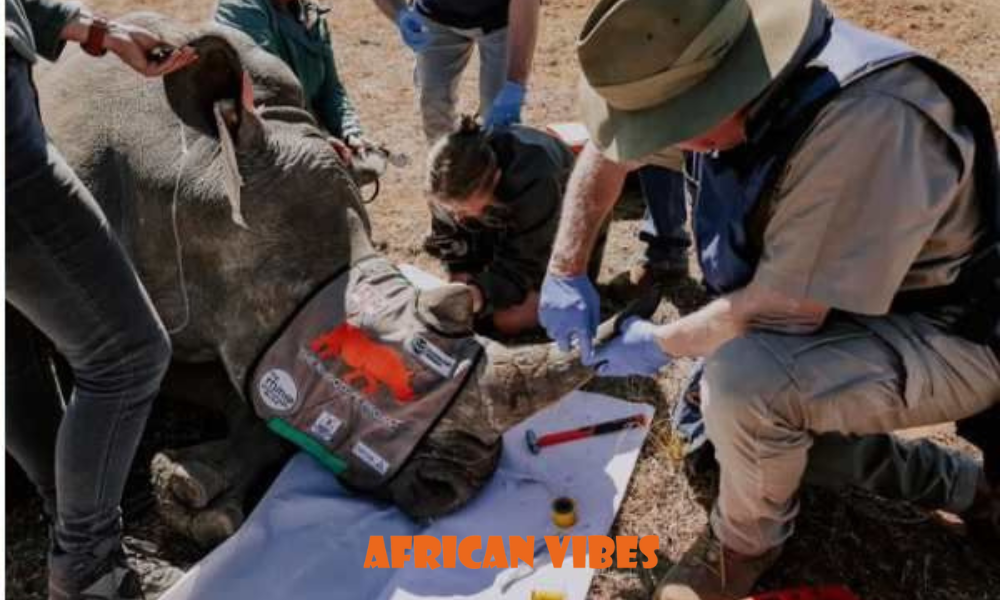
This dire situation has long called for a bold, new approach. The Rhisotope Project is a direct answer to that call, leveraging a unique blend of nuclear physics and wildlife biology. By using a non-invasive procedure, scientists at the University of the Witwatersrand have pioneered a method that is not only safe for the animals but also turns their most sought-after asset into a powerful deterrent.

How a Nuclear Solution Protects African Wildlife
The science behind the Rhisotope Project is elegant and effective. Scientists inject a minute, non-lethal dose of radioactive material directly into the horn. The isotopes are carefully selected to pose no harm to the animal, as the horn is composed of keratin and lacks blood vessels or nerves. The treated horns, however, become easily detectable by the very same radiation portal monitors (RPMs) that are already in place at international airports, seaports, and border crossings to screen for nuclear contraband.
This technology creates a two-fold defense mechanism. First, it acts as a powerful deterrent. Poachers and traffickers, knowing the horns will trigger alarms at every major port, are far less likely to risk moving their illegal cargo.
The horn, once a symbol of wealth, now becomes a radioactive liability. Second, it serves as an investigative tool. If a treated horn is poached, its unique radioactive signature can be used to track the movement of the illegal commodity, providing valuable data to law enforcement agencies and helping to dismantle the criminal networks responsible for the trade.
The project has been developed in close collaboration with the International Atomic Energy Agency (IAEA), a partnership that validates the safety and efficacy of the technique. Initial trials on a small number of rhinos have confirmed that the process is entirely harmless to the animals, with no negative side effects on their health or behavior. This pioneering conservation innovation is not just about catching criminals; it’s about changing the very economics of wildlife trafficking.
The Broader Impact: A New Era of African Conservation
The success of the Rhisotope Project could herald a new era for African wildlife protection. The model, if widely adopted, has the potential to be adapted for other endangered species targeted by poachers, such as elephants for their ivory or pangolins for their scales.
This homegrown African innovation showcases the continent’s ability to develop creative, high-tech solutions to complex problems, challenging the narrative of Africa as a victim of environmental exploitation.
The initiative also highlights the importance of international cooperation. The project’s reliance on existing global nuclear security infrastructure means that its success is not limited to South Africa’s borders.
It effectively turns customs agents and security personnel worldwide into an extended line of defense for African wildlife. This global network of protection adds a layer of security that local patrols alone could never achieve.
This is a story of hope and resilience, demonstrating that through ingenuity and determination, it is possible to fight back against seemingly insurmountable odds. It’s an optimistic yet factual account of how Africa is reclaiming its narrative, not just as a guardian of its magnificent wildlife but as a leader in global conservation efforts.
ALSO READ: Eswatini Becomes A Destination for US Convicted Deportees of Serious Crimes
A Beacon of Hope for a Majestic Species
The fight to save the rhino is far from over. However, the Rhisotope Project offers a tangible, effective tool in the arsenal of conservationists. It represents a shift from a reactive to a proactive strategy, turning the poacher’s prize into a powerful trap. This innovative use of nuclear technology, once associated with power and destruction, is now being harnessed for the preservation of life.
The story of the radioactive rhino horn is a compelling example of how science, when guided by a deep respect for the natural world, can provide solutions that are both unexpected and profoundly impactful. It is a testament to the ingenuity and enduring spirit of those dedicated to protecting Africa’s irreplaceable biodiversity. As the project expands, it serves as a powerful symbol of a continent’s unwavering commitment to its wild heritage and a beacon of hope for the future of the rhinoceros.