


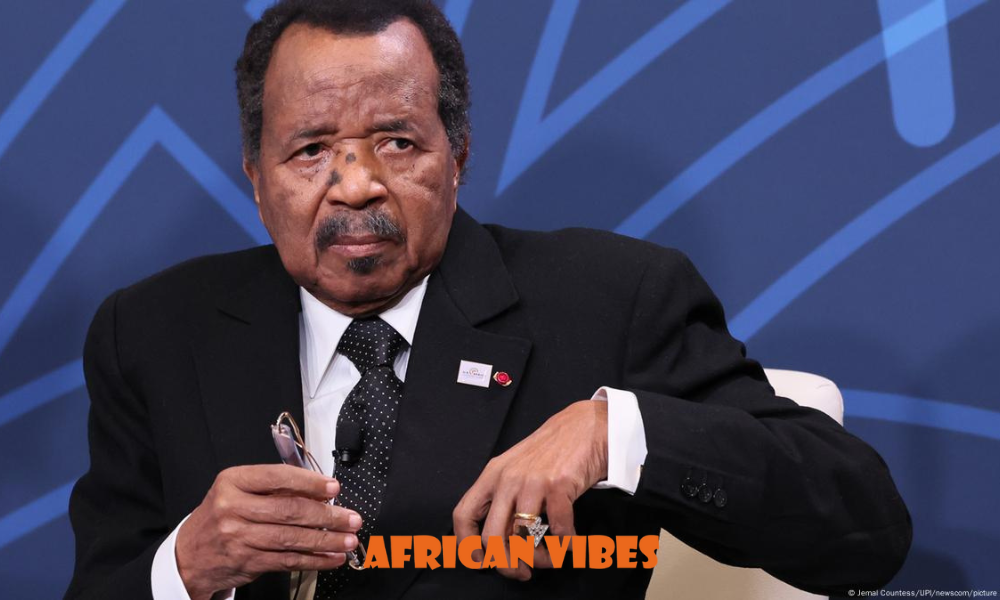
Cameroon’s Constitutional Council on Tuesday declared President Paul Biya, 92, the winner of the October 12 election, extending his nearly five-decade rule in the Central African nation. The official results — granting Biya 53.66 percent of the vote against Issa Tchiroma Bakary’s 35.19 percent — were swiftly followed by protests, deadly clashes, and mounting international concern that the country could slide into deeper turmoil.
The victory, Biya’s eighth consecutive term, cements his position as one of the world’s longest-serving leaders, but it also underscores the widening gulf between the regime and a restless, youthful population yearning for change.
A Contested Victory and Allegations of Fraud
The official proclamation came after days of tension, a government-imposed ban on public gatherings, and a muted campaign by the reclusive leader, who made only one brief appearance.
Opposition leader Issa Tchiroma Bakary, a former Biya ally turned critic, rejected the results outright, calling the election a “masquerade.”
“There was no election — we won unequivocally,” he said, urging supporters to resist what he called a “stolen victory.”
Civil society monitors and opposition parties reported numerous irregularities. Local observers cited deceased voters still listed on rolls, intimidation at polling stations, and unequal distribution of ballot papers. Ballot-box stuffing and restricted access to opposition strongholds were also reported.
The Constitutional Council, widely perceived as loyal to Biya’s Cameroon People’s Democratic Movement (CPDM), swiftly dismissed opposition petitions alleging fraud. Critics argue that the system — from the electoral commission to the courts — remains structurally tilted to sustain Biya’s hold on power.
The disqualification of popular opposition figure Maurice Kamto on technical grounds further reinforced the perception that the vote was less a democratic contest than a managed ritual to legitimize the status quo.
A Generational Rejection of the Old Guard
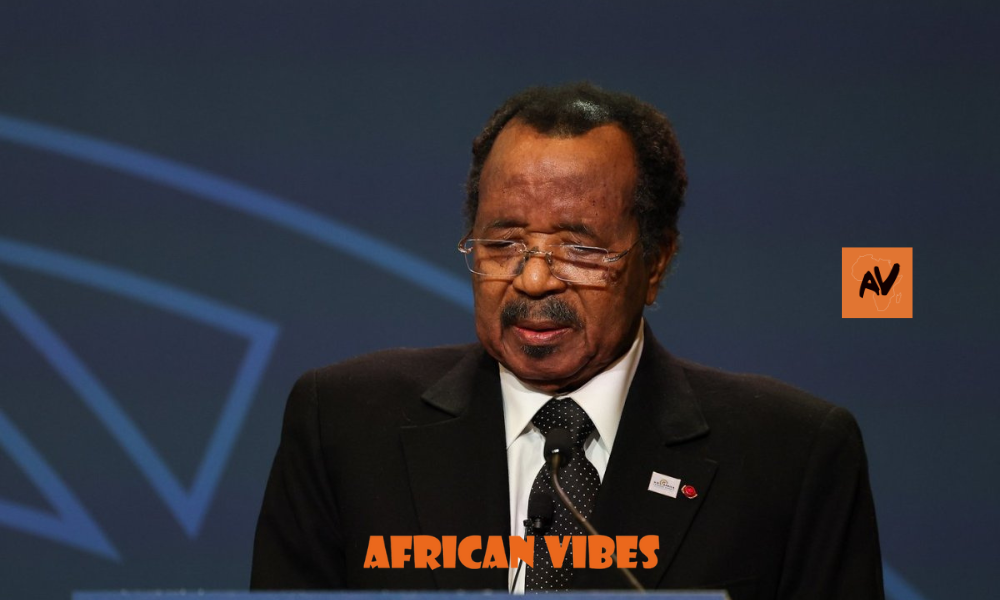
The fiercest backlash against Biya’s reelection comes from the country’s youth — the majority of whom have never known another leader. With over 70 percent of Cameroonians under the age of 35, the generational divide has become a defining fault line in the nation’s politics.
Decades of mismanagement and entrenched patronage networks have left many young people disillusioned. Despite Cameroon’s vast oil, gas, and cocoa resources, the economy remains stagnant, and youth unemployment hovers above 50 percent when informal labor is accounted for.
“We study, we hustle, but we never rise,” said Léa Mfornah, a 26-year-old university graduate in Douala. “Biya’s government belongs to our grandparents.”
Among the Cameroonian diaspora, anger has turned to despair. Across Europe and North America, expatriates described the result as “a national disgrace” and “the death of democratic hope.”
Meanwhile, Biya’s renewed mandate arrives at a perilous moment. The country remains riven by multiple crises — from a grinding Anglophone separatist war in the North West and South West regions, to Boko Haram’s lingering insurgency in the Far North, to a fragile economy burdened by corruption and debt.
The Anglophone conflict, in particular, has already claimed nearly 7,000 lives and displaced more than one million people. Analysts warn that the government’s failure to implement meaningful dialogue could intensify the violence.
ALSO READ: World Bank halts Niger’s uranium sales after French mine takeover
Violence and International Alarm
Within hours of the Constitutional Council’s announcement, protests erupted across major cities. In Douala, at least four people were killed after security forces opened fire on demonstrators. Similar clashes broke out in Yaoundé and Garoua, with reports of mass arrests and heavy-handed policing.
The International Crisis Group (ICG) warned that Biya’s “notably shaky mandate” could “fuel renewed instability” unless the government takes immediate steps toward inclusive dialogue and electoral reform.
Diplomatic sources in Yaoundé said Western embassies are monitoring the situation closely, amid fears that worsening unrest could spill into neighboring regions or prompt military intervention.
ALSO READ: Egypt’s Renewed Push for ‘Arab NATO’ Aims to Cement African and Arab Security
An Aging Leader and the Unanswered Question of Succession
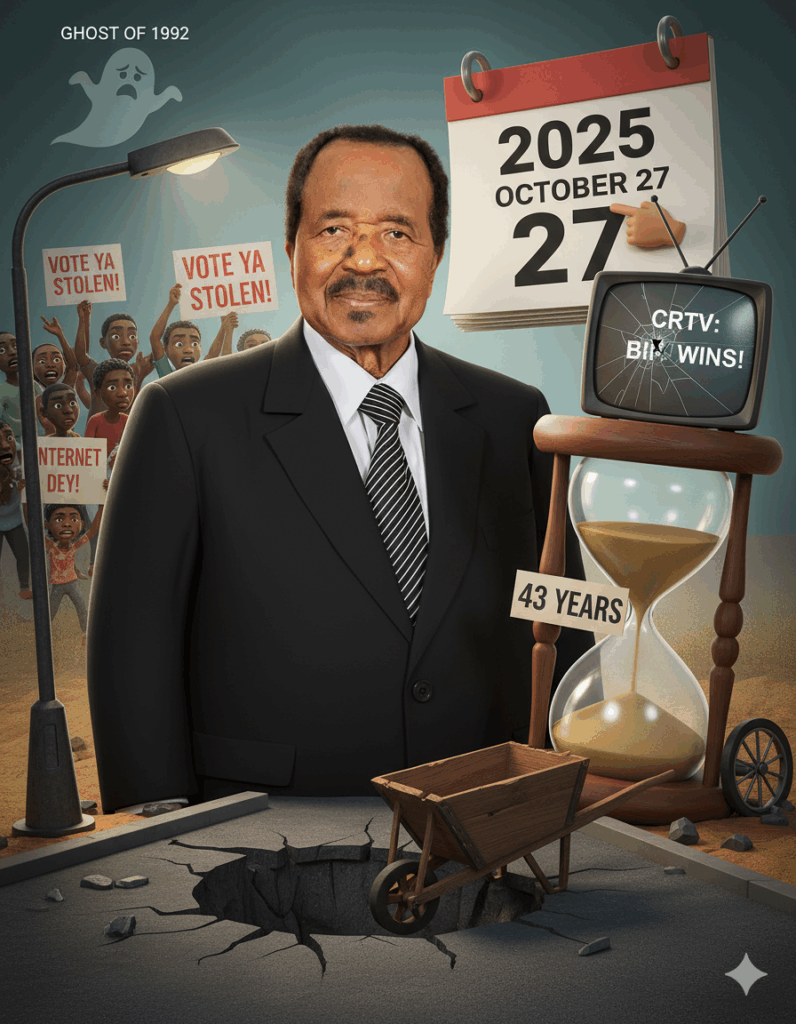
At 92, Biya’s age and declining public presence raise urgent questions about succession in a country where power is concentrated around a small inner circle. The absence of a clear transition plan, analysts say, is Cameroon’s greatest source of long-term risk.
“Biya’s regime has outlived its own institutions,” said Dr. Emmanuel Talla, a political scientist at the University of Buea. “The system cannot renew itself — and that is where the danger lies.”
Many fear that, in the event of Biya’s incapacity, elite rivalries within the ruling party or military intervention could plunge the nation into chaos.
For now, Biya’s victory ensures continuity — but not stability. Cameroon remains caught between an aging autocracy and a generation that refuses to wait quietly for its future.
The Road Ahead
The coming months will test Biya’s ability to maintain order in a fractured country weary of promises. His eighth term may ultimately be remembered not for its triumph but for the turbulence it unleashes — and for whether Cameroon’s long-serving ruler can preserve peace in a nation running out of patience.