


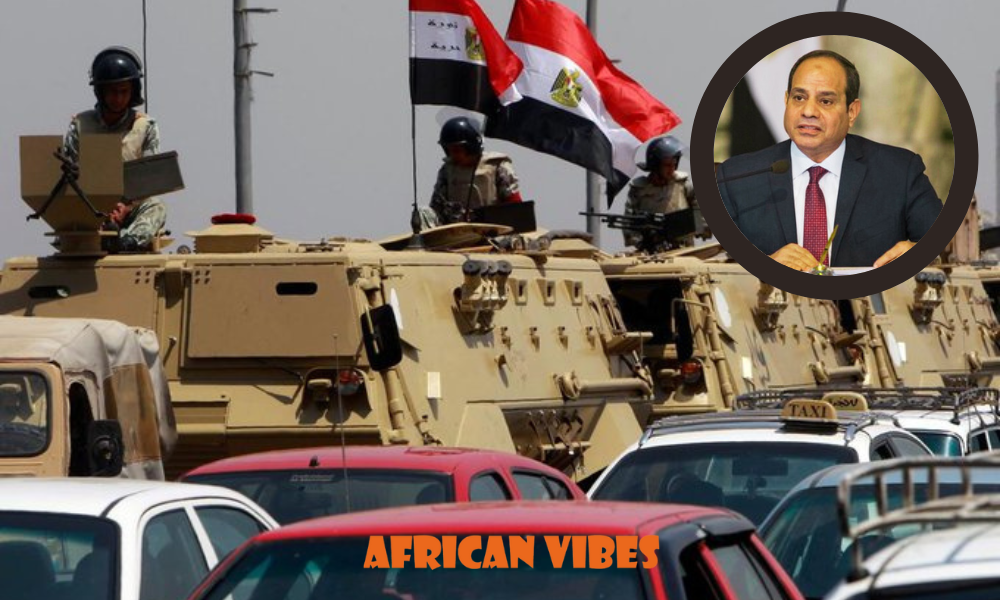
The Arab world may be on the cusp of a historic transformation. Egypt is once again leading the charge to establish a joint Arab military force, often described as an “Arab NATO.” This revived proposal, driven by rising security threats and a desire for collective defense, has gained traction in recent weeks. The immediate catalyst? A dramatic Israeli strike in Doha targeting Hamas leaders—a moment that underscored both vulnerability and urgency.
For Egypt, the proposal is more than military strategy—it is about Arab unity, African security, and reducing reliance on external powers. If realized, this force could mark a new dawn for Afro-Arabian cooperation, charting a future where the region speaks with one voice in matters of defense and sovereignty.
The Historical Blueprint: A Dream Deferred
The concept of a unified Arab force has been debated for decades. The 1950 Arab Joint Security Pact laid early groundwork for collective defense but remained largely symbolic. In the 1960s, the Arab League’s United Arab Command attempted coordination but quickly collapsed under the weight of political rivalries.
A more modern attempt came in 2015, when Arab leaders agreed in principle to form a rapid-reaction force. That initiative stalled over disagreements on command structure, troop contributions, and the fear that a collective force might override national sovereignty. The repeated failures reflect a central dilemma: while Arab nations share security concerns, their internal divisions and competing alliances often undermine unity.
ALSO READ: Mali’s Interim President Assimi Goïta’s extended term in office.
Why Now? The Driving Forces Behind the Revival
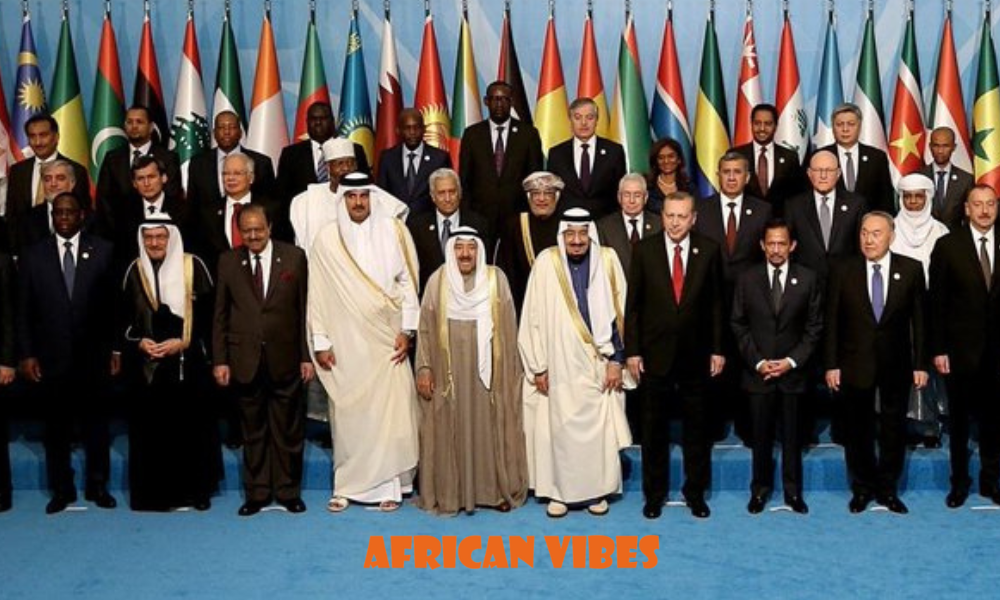
The latest push reflects both shifting geopolitics and a heightened sense of insecurity. According to Arabic-language reports, Egypt’s new plan proposes:
- A rapid-reaction force capable of deploying anywhere an Arab nation is attacked.
- Significant troop contributions from Egypt, with an Egyptian general in command.
- Saudi Arabia positioned as a principal partner, signaling coordination between two of the region’s most influential powers.
- Discussions framed around an emergency Arab-Islamic summit, underscoring the urgency.
The Israeli strike in Doha served as a wake-up call. For Cairo and Riyadh, it demonstrated the dangers of fragmented security policies and the pressing need for collective defense.
Geopolitical Impact: A New Security Architecture
If successful, this initiative could reshape not just the Arab world but the broader African security landscape. Potential benefits include:
- Deterrence against external threats: A unified military force would signal that aggression against one Arab nation means facing the strength of many.
- Rapid crisis response: From border disputes to terrorist insurgencies, a joint force could intervene faster than ad-hoc coalitions.
- Stronger Afro-Arabian cooperation: Security collaboration could spill over into economics, technology, and diplomacy, creating a more integrated bloc.
- Geopolitical stability: Reducing dependency on Western powers could give the region greater autonomy in shaping its destiny.
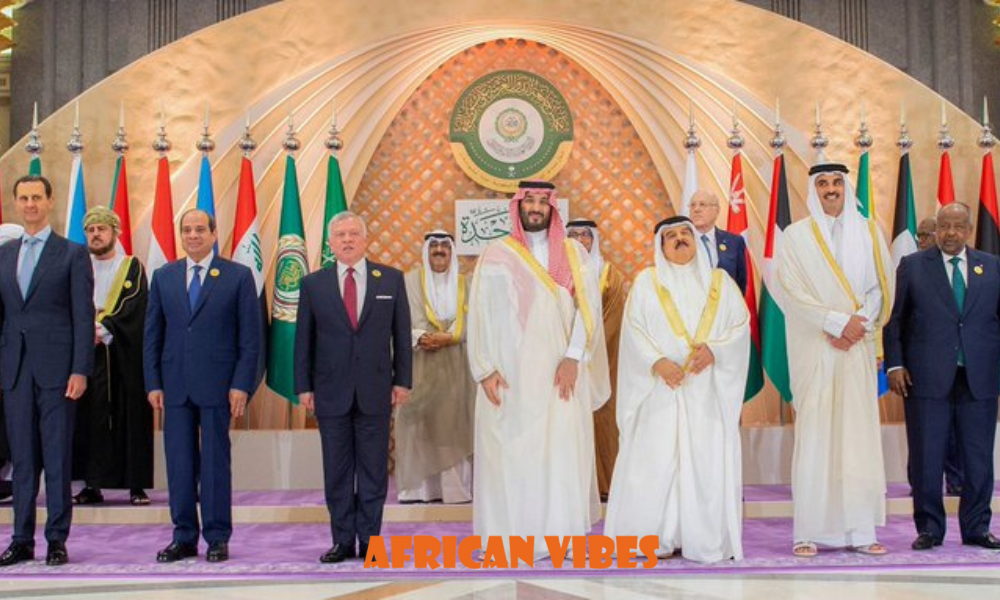
For Africa, particularly North African states like Egypt, Algeria, and Morocco, the force could also strengthen ties with the Arab League while reinforcing the continent’s own push for African security mechanisms.
ALSO READ: West African Leaders Chart New Economic Frontiers with US Amidst Shifting Global Dynamics
Challenges: Old Ghosts and New Realities
Despite the optimism, the road ahead is fraught with obstacles:
- National sovereignty concerns: Smaller nations may fear domination by Egypt or Saudi Arabia.
- Diverging priorities: North African states, Gulf monarchies, and Levant nations face different security threats, making consensus difficult.
- External interference: Global powers with vested interests may resist or undermine such an alliance.
- Rules of engagement: Who decides when and where the force is deployed remains a contentious question.
Without resolving these issues, the “Arab NATO” risks becoming another ambitious idea that falters in execution.
Conclusion: A Defining Test of Arab and African Unity
Egypt’s renewed call for a unified Arab force comes at a moment of both danger and opportunity. The failures of the past loom large, but today’s geopolitical climate—marked by heightened external threats and a desire for self-determination—offers a rare window.
Whether this “Arab NATO” becomes reality will depend on the region’s ability to put aside rivalries in pursuit of a shared vision. Even if imperfect, the effort itself is a statement of progress: a declaration that Arab unity and African security can no longer be outsourced.
For Afro-Arab nations, the challenge is clear: seize this chance to forge a new path of collective defense and resilience—or risk watching history repeat itself.