


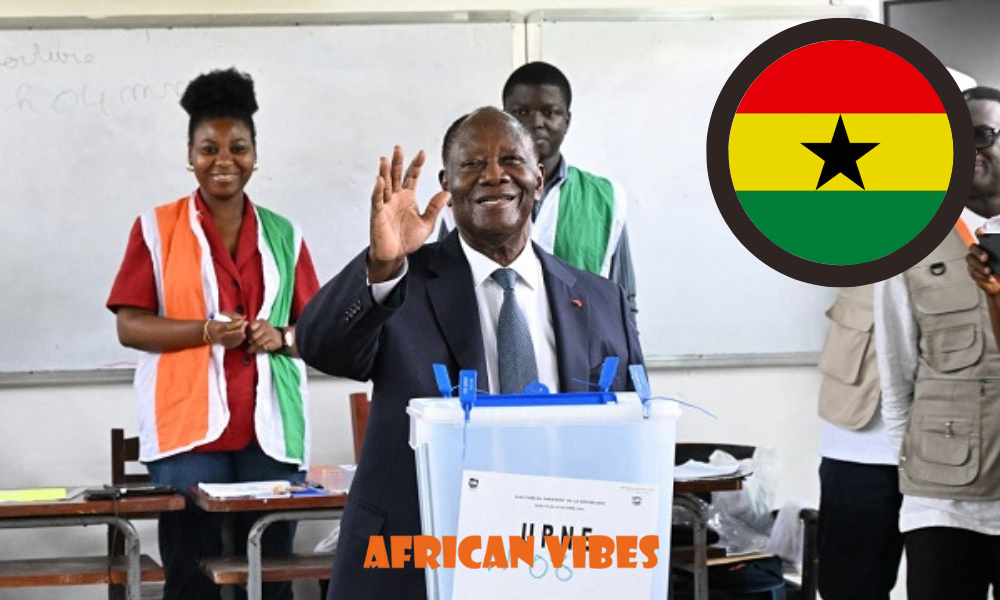
In Abidjan, the mood is both triumphant and uneasy. At 83 years old, Ivory Coast President Alassane Ouattara has once again defied age, political fatigue, and opposition pressure to win the October 2025 presidential election.
According to provisional results from the Independent Electoral Commission, Ouattara secured a commanding 89.7% of the vote, extending his rule to 2030 and solidifying his position as one of Africa’s longest-serving leaders.
Supporters hail the victory as a reward for a man who rebuilt Ivory Coast from the ashes of civil conflict into one of West Africa’s fastest-growing economies. Critics, however, see it as a troubling symptom of democratic stagnation — another instance of an aging elite tightening its grip on power while a restless young population watches from the sidelines.
The central question now looms large: Can an octogenarian president truly prepare the country for a generational handover?
ALSO READ: Paul Biya ‘Wins’ Contested Cameroon Election Amid Unrest
📜 The Economist Who Rebuilt a Nation
To understand Ouattara’s enduring appeal, one must revisit the country’s turbulent past.
An accomplished economist and former IMF Deputy Managing Director, Ouattara took office in 2011, following the bloody post-election conflict that claimed over 3,000 lives. His first promise was simple: restore order and prosperity.
Under his stewardship, Ivory Coast experienced what economists call the “Ivorian Economic Miracle.” For over a decade, the nation recorded average growth rates above 6%, thanks to aggressive investments in infrastructure — from modern highways and bridges to electrification and industrialization projects.
Today, Abidjan stands as a gleaming regional hub — a symbol of the stability and modernity many West Africans aspire to emulate.
But that economic success rests on a political compromise many consider fragile. Ouattara’s decision to invoke a constitutional “reset” in 2016, allowing him to seek additional terms beyond the two-term limit, remains controversial. It has raised questions about how far a leader can go in the name of continuity before undermining democratic renewal.
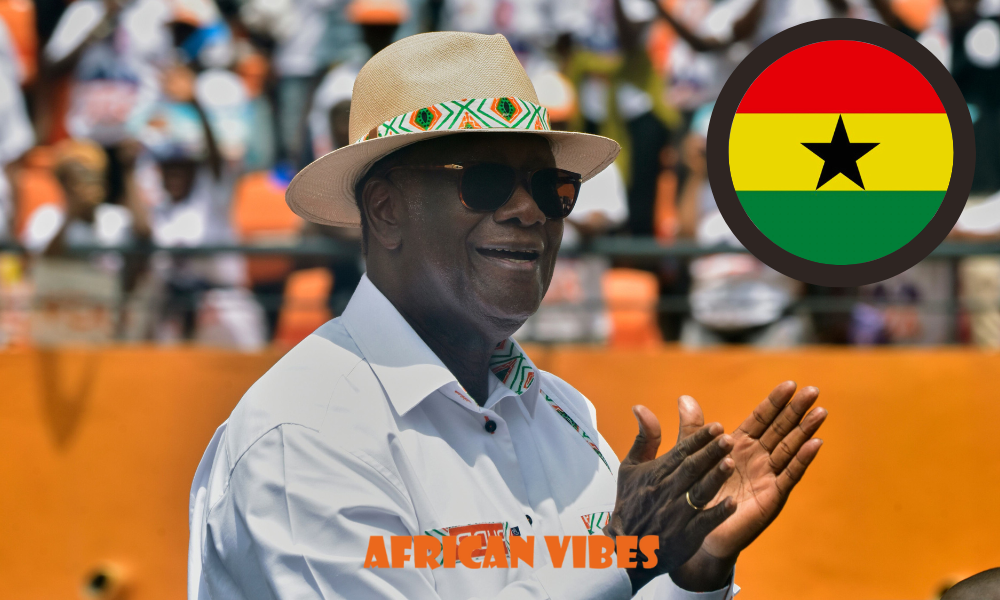
🗳️ The 2025 Election: Victory Through Absence
The 2025 presidential race was less a competition than a coronation.
Key rivals — former President Laurent Gbagbo and Tidjane Thiam, the ex-Credit Suisse CEO seen as a rising reformist — were disqualified. Gbagbo’s criminal record and Thiam’s dual nationality served as legal justifications, but to many observers, they exposed deeper fears of genuine competition.
This left a weakened field of candidates, including Simone Gbagbo and Jean-Louis Billon, who failed to capture national momentum. With voter turnout hovering around 50%, the scale of Ouattara’s victory was matched only by the quietness with which it was received.
As one Abidjan political analyst put it:
“The peace of this election is not unity — it’s resignation. When the outcome feels predetermined, participation becomes symbolic.”
📈 Stability vs. Stagnation: The Progress Paradox
The Ouattara era has undoubtedly brought stability and investor confidence — qualities in short supply across much of West Africa, where coups and political turmoil have destabilized neighbors like Mali, Burkina Faso, and Niger.
Yet, beneath Ivory Coast gleaming highways and GDP growth charts lies a growing generational divide. The median age in the country is just 18. For millions of young Ivorians, the promise of prosperity remains distant. Unemployment and inequality persist, feeding quiet frustration among a generation that feels economically active but politically invisible.
This is Ivory Coast Progress Paradox: extraordinary economic growth paired with a stagnant political structure dominated by an aging elite.
Ouattara’s continued dominance, while ensuring short-term calm, risks deepening that divide. His administration’s challenge will be to transform economic success into social inclusion — and that may require the very transition he has long postponed.
ALSO READ: Burkina Faso Breaks Colonial Ties: Drops French as Official Language
The Road to 2030: Managing the Succession
The next five years will define Ouattara’s ultimate legacy. His Rally of Houphouëtists for Democracy and Peace (RHDP) remains strong but lacks a clear successor. Internal rivalries could intensify as the president nears the end of what he calls his “final term.”
Observers believe Ouattara’s greatest test will not be sustaining economic growth, but ensuring a peaceful and credible transfer of power — one that inspires confidence among Ivorians and sets a democratic example for the region.
As one youth activist in Yopougon said:
“We respect what President Ouattara built. But a true leader prepares others to lead. Our generation wants a voice, not just a legacy to inherit.”
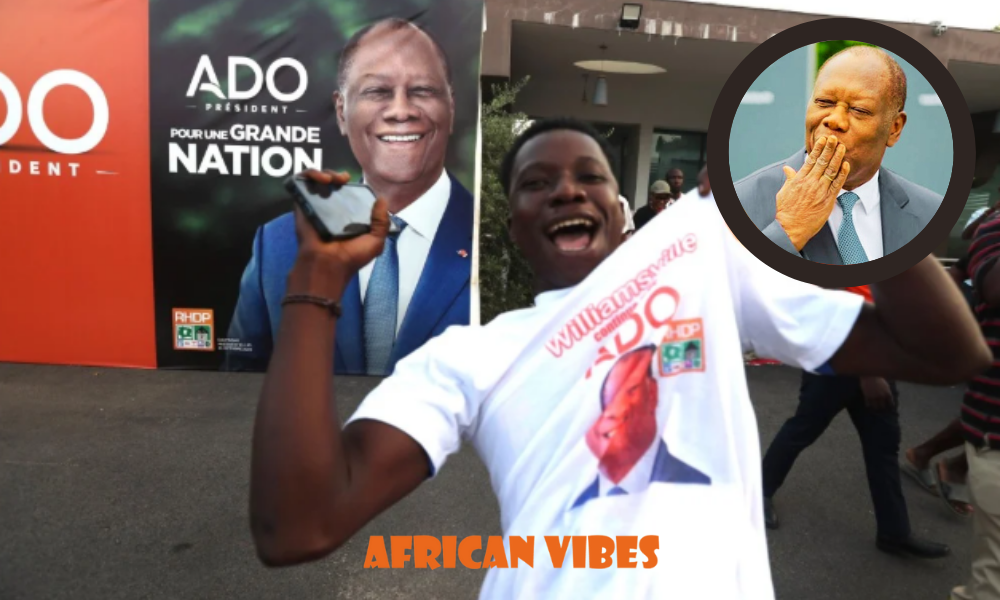
🌟 Conclusion: Legacy Beyond Longevity
Alassane Ouattara’s 2025 victory cements his role as the architect of Ivory Coast modern transformation. Yet, history will judge him not by the size of his electoral win, but by his willingness to step aside gracefully and empower a new generation.
The world’s largest cocoa producer stands at a crossroads — between economic continuity and democratic renewal. Whether Ouattara can bridge that divide will determine if Ivory Coast progress story remains a model for Africa, or a cautionary tale about how hard it is to let go.