


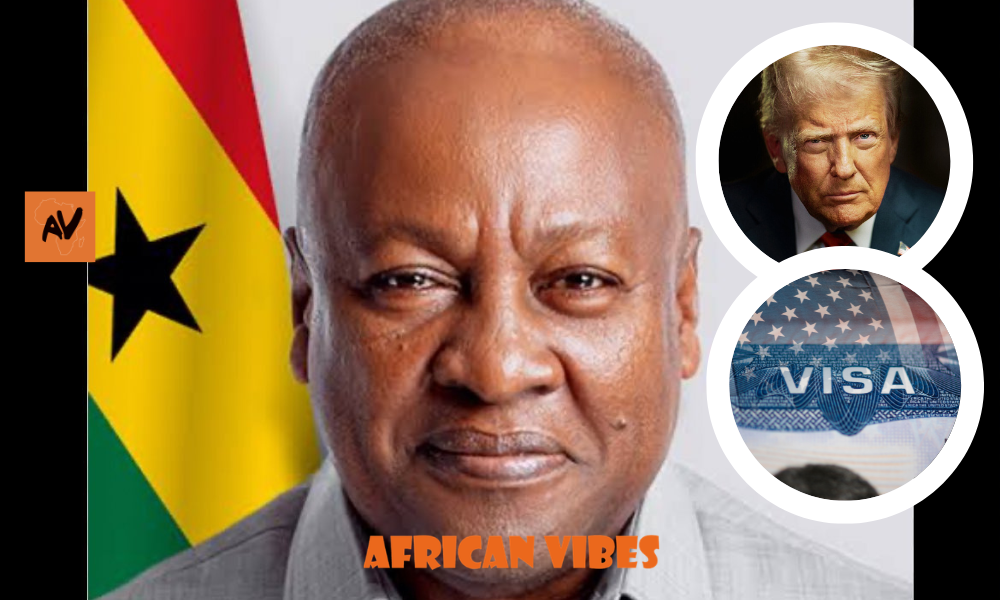
For many Ghanaians, the dream of a business trip to New York or a family visit to the DMV area has often felt like a marathon with no finish line. Between the “Check back later” messages on scheduling portals and the rising costs of international mobility, the hurdle to the United States has never felt higher.
But this week, the air in Accra feels a little lighter. In a move that celebrates the strong bilateral ties between Washington and the “Black Star” nation, the U.S. Embassy has opened a massive window of opportunity, proving once again that Ghana remains a favored partner in the West African sub-region.
ALSO READ: Elon Musk and the Battle Over H-1B Visas in the Global Talent Economy
A Breath of Fresh Air for Ghanaian Travelers
The U.S. Embassy in Accra recently announced the immediate release of more than 1,000 new B1/B2 visa interview appointments. This isn’t just a minor update; it’s a strategic effort to clear a backlog that has seen some applicants waiting until 2027 for a chance to sit across from a consular officer.
For the savvy African tech startups looking to pitch in Silicon Valley, or the retailers heading to trade shows in Atlanta, this news is a game-changer. The embassy has encouraged those with appointments scheduled for late 2026 or 2027 to log back into the portal and move their dates forward.
The $15,000 Question: Why Ghana is Different
Perhaps the most significant victory for the Ghanaian passport is what hasn’t happened. While several neighboring countries—including Nigeria, Benin, and Togo—have been integrated into the U.S. Department of State’s $15,000 Visa Bond pilot program, Ghana has remained notably absent from the list.
The bond program, designed to curb visa overstays, requires travelers from “high-overstay” countries to post a refundable bond of up to $15,000. In a continent where capital is king, such a requirement is a massive barrier to entry. Ghana’s exemption from this policy is a testament to the integrity of Ghanaian travelers and the effectiveness of the country’s diplomatic efforts. It reinforces the African fashion trends we see today: Ghana isn’t just following the global lead; it’s earning its seat at the table through compliance and reliability.
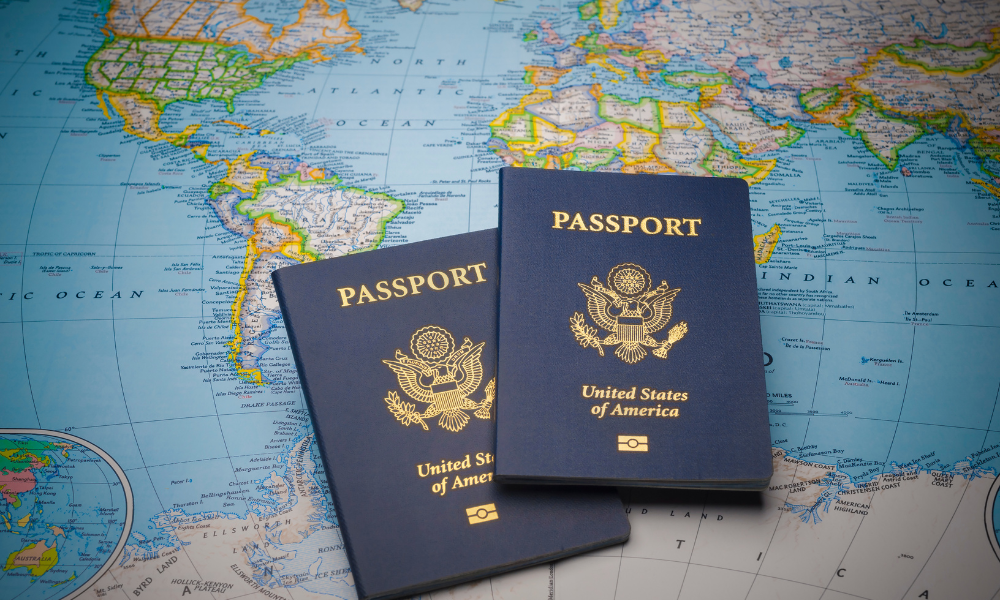
The World Cup Factor and Beyond
Why now? The timing isn’t accidental. With the 2026 FIFA World Cup fast approaching, the U.S. is bracing for a surge in African tourism. Ghanaian football fans are legendary for their passion, and the U.S. government seems keen to ensure that the “Gold Coast” can represent in the stands.
However, it’s not all sunshine. While the door for business and tourism travel is swinging open, the U.S. has quietly tightened the screws on immigrant visas. A recent pause on certain permanent residency pathways for Ghanaians—citing concerns over the use of public assistance—reminds us that while the bridge is open, the rules of the crossing remain strict.
ALSO READ: You Won’t Believe Which African Giant Is Copying Niger’s U.S. Visa Shutdown
Moving with Grace
At African Vibes, we believe in celebrating the progress of our people. This visa update is more than just paperwork; it’s about African progress. It’s about the grandmother in Kumasi finally getting to see her newborn grandchild in Ohio, and the entrepreneur in Osu scaling their business to a global audience.
As we look toward 2026, the message is clear: the world is watching Ghana, and for now, the path to the West is paved with a little more hope and a lot less red tape.