


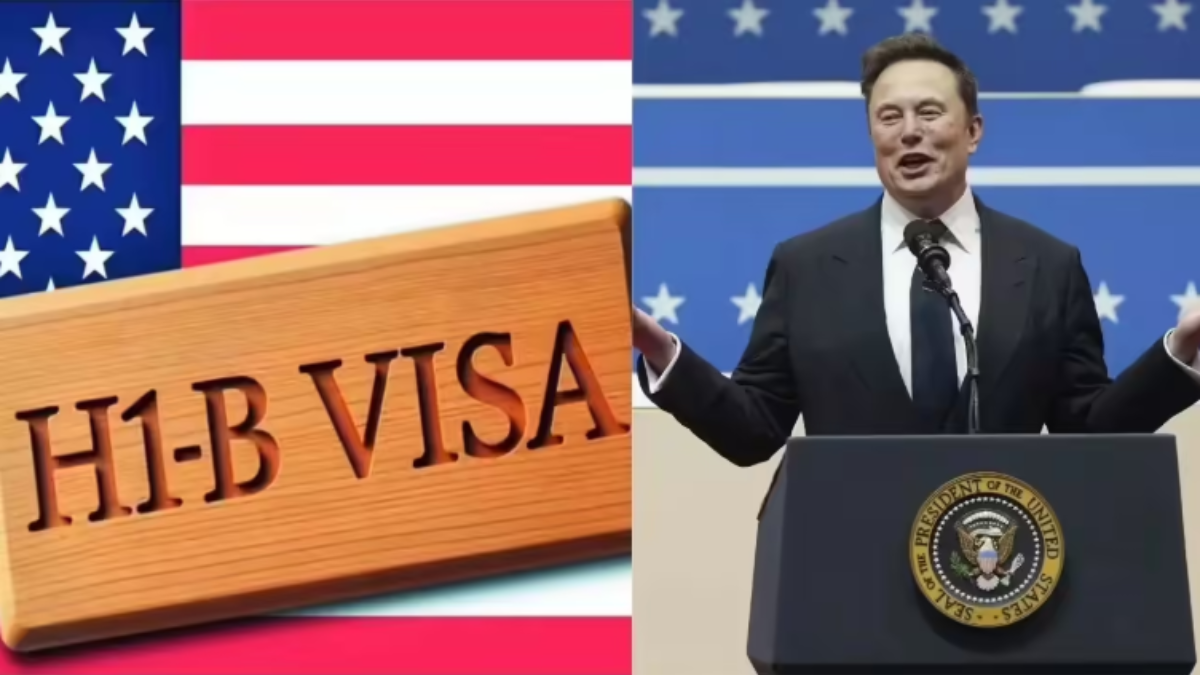
A seismic shift is underway in the U.S. immigration landscape, shaking Silicon Valley and reverberating through Africa’s booming tech scene. The Biden administration’s decision to slap a $100,000 fee on H-1B visa applications—a program long seen as a golden ticket for foreign tech workers—has redefined the cost of entry into the world’s most influential innovation hub.
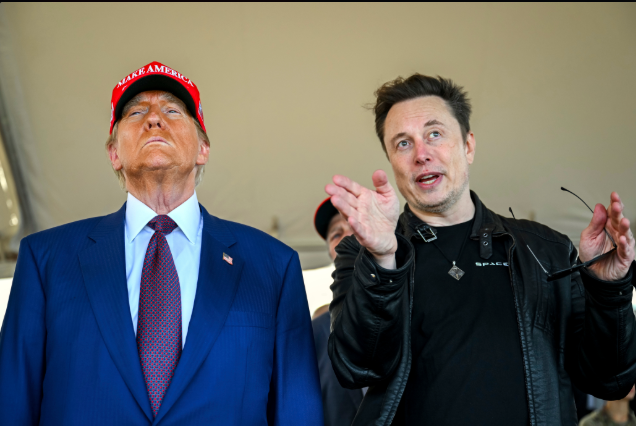
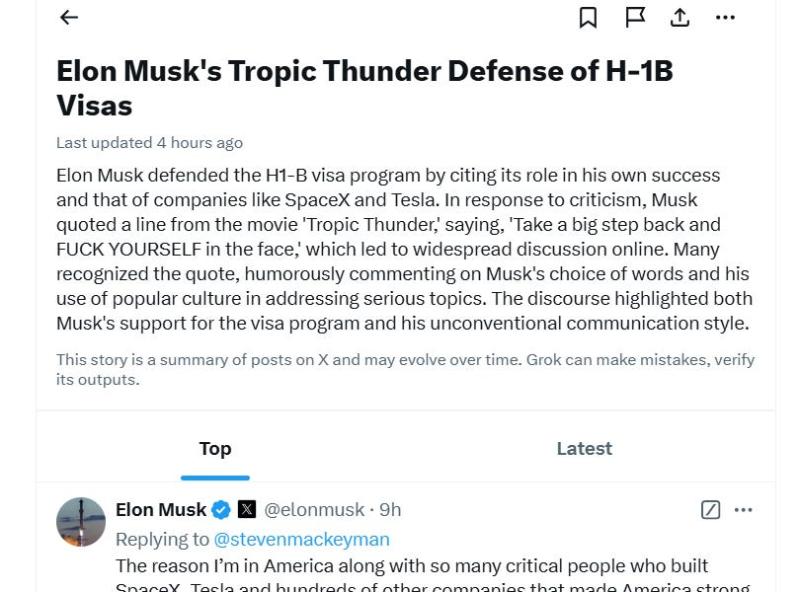
At the center of this storm stands Elon Musk—South Africa’s most famous export—whose own rise depended on the very system now being priced out of reach. Once vowing to “go to war” for the H-1B, Musk now finds his Tesla empire accused of abusing the program to cut costs, exposing what many call the “Musk Paradox.”
For Africa, the implications run deeper than one billionaire’s contradictions. The question is stark: will this seismic shift accelerate the brain drain, siphoning off Africa’s brightest, or will it ignite a brain gain, anchoring talent on the continent and fueling a self-sustaining innovation boom?
The Prohibitive Barrier: A $100,000 Wall Around Silicon Valley
For decades, the H-1B visa represented validation for African professionals, a bridge to global recognition. Though Africa accounts for just 1–2% of H-1B holders, countries like Nigeria, Kenya, and South Africa saw applications surge by over 300% in recent years, a testament to the continent’s rising reputation.
That momentum may now grind to a halt. The new $100,000 flat fee, payable by U.S. employers, makes the cost of hiring a skilled African engineer equivalent to their entire annual salary. For smaller U.S. startups and mid-sized firms—the very companies that once gave African professionals their first break—this is prohibitive.
Dieudonne Dany Mbarga, a Ghana-based financial analyst, sums it up: “Large firms like Tesla will still pay for the best PhDs or AI engineers. But for the majority of African professionals, this door has effectively been shut.”
Analysts estimate that if U.S. firms had to pay this fee for every African worker hired under H-1B last year, the bill would top $326 million. The result? A sharp contraction of one of the most visible migration pathways for Africa’s tech elite.
The African Crossroads: From Brain Drain to Brain Gain
What looks like a loss for individual opportunity could become a defining moment for Africa’s collective progress.
- Retention of Talent → With the U.S. route blocked, more engineers and developers may choose to remain in hubs like Lagos, Nairobi, Kigali, and Cape Town. Instead of sending remittances from abroad, they’ll invest in local economies, mentor the next generation, and start companies that solve African problems.
- Acceleration of Local Innovation → Startups will benefit as world-class skills stay local. Instead of Silicon Valley absorbing the continent’s brightest, Africa’s own fintechs, healthtechs, and AI labs stand to gain.
- Remote Work Revolution → U.S. firms facing the visa barrier may opt for remote contracts. Why pay $100,000 to relocate a Kenyan engineer when they can work from Nairobi, earning globally competitive salaries while contributing to the local economy?
This isn’t wishful thinking—it’s already happening. Multinationals like Microsoft, Google, and Stripe are expanding teams in Africa, betting on the talent pool that no longer needs to leave to prove itself.
Beyond Tech: A Cultural and Economic Reckoning
This shift goes beyond coding and data science. When Africa’s top professionals stay rooted, they bring more than technical skills—they bring vision, networks, and cultural capital.
For too long, Africa has been seen as a supplier of raw talent, “mined” for Silicon Valley’s needs. The visa fee hike flips the script: global companies must now engage with Africa on African soil or risk losing access to its rising talent base.
It also changes the narrative for the diaspora. The new challenge is not about chasing validation abroad, but about building an African Dream—one where success is measured by the strength of Lagos’ fintechs, Kigali’s AI labs, and Nairobi’s startup accelerators.
The Verdict: Africa’s Resilience Will Define the Outcome
Ironically, a policy designed to “protect American jobs” may be the catalyst for Africa’s most powerful innovation decade yet. Elon Musk’s own story proves how transformative migration pathways can be—but Africa’s future may not lie in replicating his journey.
The $100,000 H-1B barrier is not the end of Africa’s global tech ambitions. It is a detour—a signal that the continent must invest in brain gain, not brain drain. By retaining talent, fostering remote work, and empowering startups, Africa can flip a policy shock into an opportunity to reshape its destiny.
The ultimate prize? A world where Africa is not just exporting talent to Silicon Valley—but building the next Silicon Valley on African soil.