


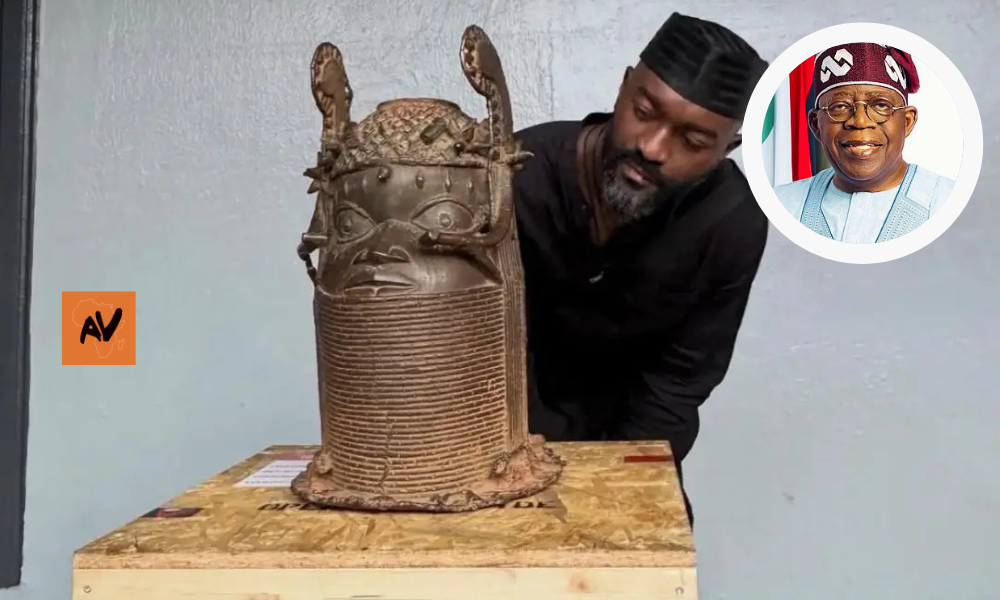
Switzerland has returned 23 looted cultural artefacts to Nigeria, including 18 Benin Bronzes taken during the British invasion of the Kingdom of Benin in 1897, marking another significant step in the global movement to return African cultural heritage removed during the colonial era.
The artefacts were formally handed over during a ceremony at the National Museum in Lagos, where Swiss and Nigerian officials also signed an agreement aimed at strengthening cooperation against the illicit trafficking of cultural property.
The return adds to growing international efforts by museums and governments to address the legacy of colonial-era looting, with several European institutions having repatriated Benin Bronzes and other African artefacts in recent years.
What Was Returned?
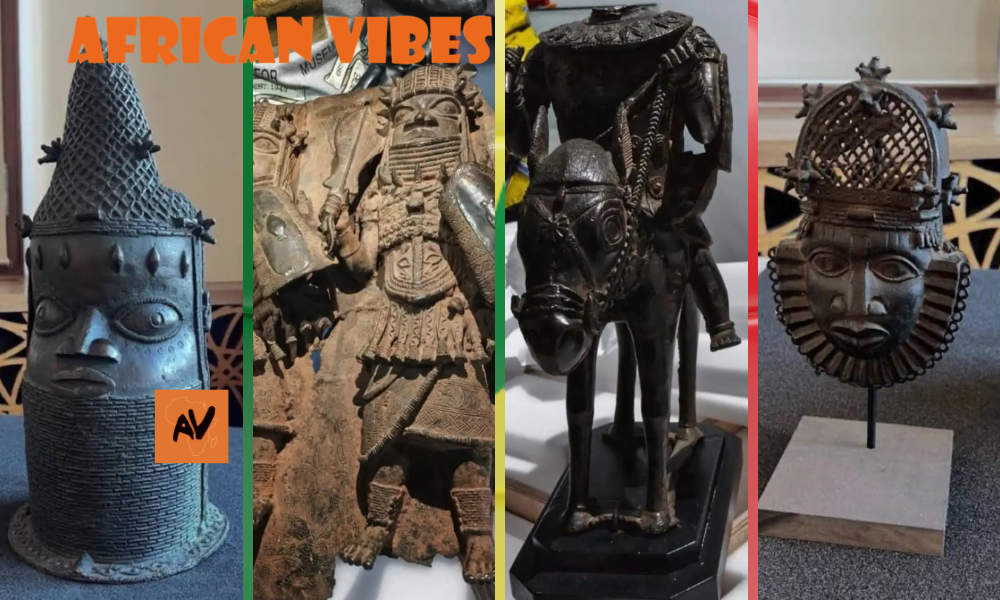
The collection consists of 23 cultural objects, including 18 Benin Bronzes once housed in three Swiss museums.
The artefacts include commemorative bronze heads of former Obas (kings), carved ivory tusks and ceremonial staffs that originally formed part of the royal collection of the Kingdom of Benin.
The remaining five objects include a bronze bracelet and four archaeological monoliths from Nigeria’s Niger Delta. Unlike the Benin Bronzes, these items had been illegally trafficked into Switzerland before being seized during separate criminal investigations by Swiss authorities.
The Benin Bronzes were returned by the Ethnographic Museum at the University of Zurich, Museum Rietberg in Zurich and the Musée d’Ethnographie de Genève following years of provenance research into how the objects entered their collections.
Some of the artefacts will remain on temporary loan in Switzerland under a bilateral agreement, while most are expected to be housed in Nigeria, with several destined for Benin City in Edo State.
Why the Benin Bronzes Matter
The Benin Bronzes are among Africa’s most celebrated works of art.
Created by master craftsmen from the Kingdom of Benin, in present-day southern Nigeria, the bronze plaques, sculptures and ivory carvings documented royal history, honoured ancestors and symbolised the authority of the Oba.
Their removal dates back to 1897, when British troops launched a military expedition against Benin City. During the attack, the royal palace was looted and thousands of artworks were taken before being sold to museums and private collectors across Europe and North America.
For more than a century, many of these objects remained outside Nigeria, becoming central to international debates over colonial history, ownership and cultural restitution.
ALSO READ: See the African Entrepreneur Chosen To Strengthen UK-Africa Trade
Why Switzerland Returned the Artefacts
The return follows years of collaboration between Swiss museums and Nigerian institutions through the Benin Initiative Switzerland, a project established in 2021 to investigate the origins of Benin artefacts held in Swiss collections.
Researchers examined the provenance of hundreds of objects before concluding that many had been looted during the 1897 invasion and should be returned.
Alongside the handover, Switzerland and Nigeria signed a bilateral agreement covering the import, export and repatriation of cultural property. Officials said the framework is intended to strengthen future cooperation and help prevent the illegal trade in cultural artefacts.
Swiss Federal Councillor Elisabeth Baume-Schneider described the return as an acknowledgment of the historical circumstances under which many of the objects left Nigeria.
Nigeria’s Minister of Art, Culture, Tourism and the Creative Economy, Hannatu Musa Musawa, said the artefacts represent an important part of the country’s cultural identity and artistic heritage.
Part of a Growing Global Movement
Switzerland is the latest country to return Benin Bronzes to Nigeria, reflecting a broader shift among museums and governments reconsidering colonial-era collections.
In recent years:
- Germany transferred ownership of more than 1,100 Benin Bronzes to Nigeria.
- The Netherlands returned 119 artefacts.
- The Smithsonian Institution in the United States repatriated around 20 objects.
- The University of Cambridge transferred ownership of more than 100 Benin Bronzes to Nigeria.
The British Museum, however, continues to hold the world’s largest collection of Benin artefacts. The institution says existing UK legislation prevents it from permanently removing many objects from its collection, making the museum one of the central institutions in the ongoing restitution debate.
Beyond Nigeria, France has also returned royal treasures to the Republic of Benin and other cultural artefacts to Côte d’Ivoire, highlighting a wider reassessment of colonial-era acquisitions across Europe.
Challenges After Repatriation
Although the return of artefacts has been widely welcomed, questions remain over how they should be managed once they return to Nigeria.
Discussions have centred on where the Benin Bronzes should be displayed and who should oversee their care, with Nigeria’s National Commission for Museums and Monuments, Edo State authorities and the Oba of Benin’s palace all playing important roles in preserving the country’s cultural heritage.
Nigeria is expanding museum facilities in Benin City to accommodate the growing number of returned artefacts, while conservation experts continue working to ensure the collections are preserved for future generations.
The debate also extends beyond Nigeria, with scholars and museum professionals continuing to examine how colonial-era collections should be interpreted, displayed and shared with the public.
ALSO READ: Rwanda and DRC Ink Historic Peace Accord, Paving Way for Regional Prosperity
Why This Matters
The return of the artefacts represents more than the transfer of museum objects.
For many historians, artists and cultural leaders, the Benin Bronzes are tangible records of one of Africa’s most sophisticated pre-colonial civilisations. Their return gives Nigerian researchers, students and the public greater access to works that have spent generations overseas.
Supporters of restitution argue that returning cultural heritage helps restore historical connections disrupted during colonial rule, while critics stress the importance of ensuring long-term conservation and public access.
As more institutions review the origins of their collections, the debate has increasingly shifted from whether artefacts should be returned to how they should be preserved, exhibited and interpreted once they are back in their countries of origin.
Looking Ahead
Switzerland’s decision adds momentum to a global restitution movement that has gathered pace over the past decade.
Hundreds of Benin Bronzes have now been returned to Nigeria, but thousands remain in museums and private collections around the world.
As governments and cultural institutions continue to reassess the legacy of colonial-era acquisitions, the return of African heritage is likely to remain one of the defining issues in the international museum sector for years to come.