


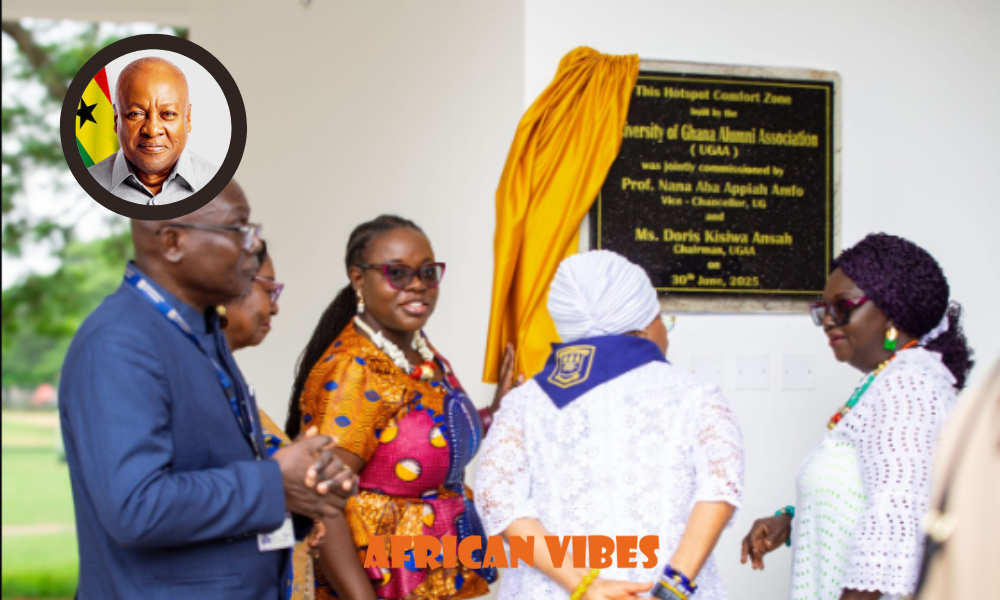
In a visionary leap toward reshaping its educational landscape, Ghana has launched a transformative initiative that is already making waves across the continent. The government’s bold decision to provide free, luxurious student hostels across its public universities marks a significant milestone in the nation’s commitment to academic excellence, youth empowerment, and equitable access to higher education.
This groundbreaking initiative is not only set to revolutionize the student experience in Ghana but also serves as a powerful blueprint for other African nations seeking to invest in their human capital and elevate their global educational standing.
Tackling a Long-Standing Crisis: The Student Housing Challenge
For years, Ghanaian university students—like many across Africa—have struggled with inadequate and unaffordable accommodation. Overcrowded dormitories, exorbitant private rental fees, unsanitary conditions, and stressful commutes have plagued thousands, undermining their academic potential and well-being. The demand for student housing has consistently outpaced the supply, with most university hostels only able to cater to first-year students, leaving continuing students to fend for themselves in the volatile private rental market.
Despite previous efforts that included limited university constructions and a growing private sector hostel market, the problem persisted. Most private hostels came with high price tags, making them inaccessible to students from low-income households. The dream of a safe, comfortable, and academically supportive environment remained out of reach for many.
A Game-Changing Intervention: Luxury Meets Accessibility
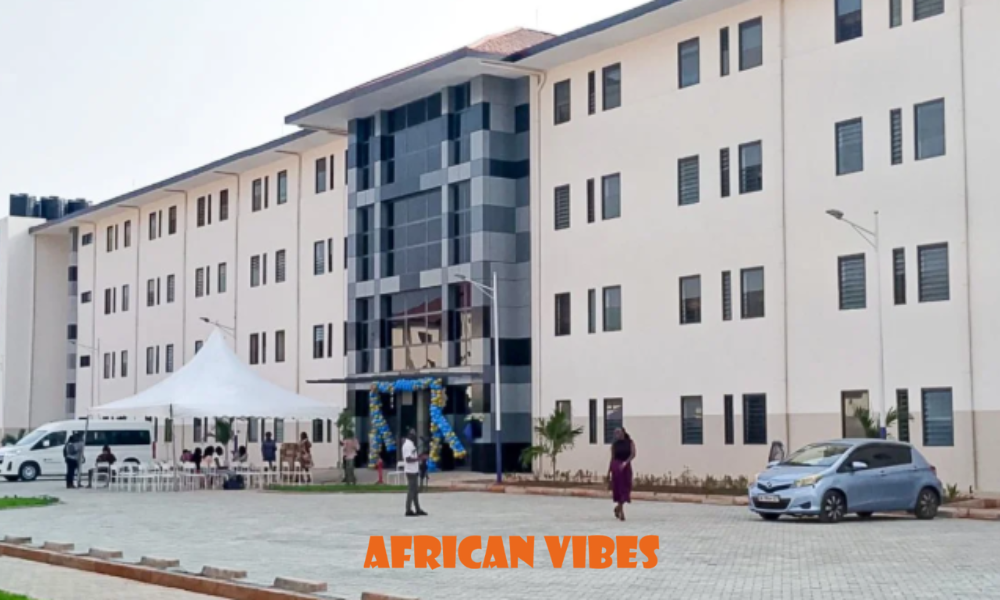
Ghana’s latest initiative is nothing short of revolutionary. These new hostels are not just an upgrade—they are world-class living spaces designed with the modern student in mind. Offered free of charge, the hostels aim to relieve families of the heavy financial burden of student accommodation while raising the standard of university housing across the board.
ALSO READ: Ghana Successfully Evacuates Citizens from Iran to Turkey Amid Escalating Middle East Tensions
Key Features of the Hostels:
- Spacious shared rooms with bunk beds, individual desks, wardrobes, and strong Wi-Fi.
- Private or semi-private bathrooms, enhancing hygiene and privacy.
- Air-conditioning units, especially crucial during Ghana’s hot seasons.
- Recreational areas, study lounges, and common spaces for collaboration and community.
- 24/7 security surveillance and on-site coordinators for safety and support.
- Laundry basins and optional professional laundry services.
- Strategic campus locations to reduce commuting time and increase access to learning facilities.
This thoughtful design addresses the full spectrum of student needs—from comfort and concentration to safety and community.
Immediate Benefits: Empowerment Through Equity
At its core, this initiative levels the playing field for students of all backgrounds. By removing housing costs, students and their families are freed from one of the biggest financial obstacles to higher education. These savings can be redirected toward academic resources, business startups, or personal development opportunities.
More importantly, comfortable living environments are directly linked to better academic performance. Access to quiet study areas, improved sleep, reduced stress, and better health all contribute to higher retention and graduation rates.
“This is a dream come true,” said Ama Serwaa, a final-year law student at the University of Ghana. “Now I can focus entirely on my studies and future career. It’s a huge relief for my family too.”
Strengthening Ghana’s Global Education Brand
This move is more than a student welfare initiative—it’s a strategic investment in Ghana’s future. By aligning university infrastructure with global standards, Ghana is positioning itself as a regional hub for higher education, likely to attract a growing number of international students.
The benefits extend beyond academia. A diverse, multicultural student population fosters global perspectives, innovation, and international partnerships. This initiative signals Ghana’s readiness to compete on a global stage by building a skilled, empowered, and globally competent workforce.
Dr. Kwame Nkrumah, Vice-Chancellor of KNUST, praised the development:
“This is a game-changer for student welfare and academic productivity. It reflects a deep understanding of our students’ realities and a true commitment to their success.”
ALSO READ: Namibia and Botswana Partner to Build Joint Oil Refinery, Target Fuel Independence
A Model for the Continent
Ghana’s investment in luxurious, free student hostels is not just infrastructure development—it’s a declaration of faith in the power of education. It recognizes that tomorrow’s innovators, leaders, and changemakers need more than lecture halls—they need environments that nurture every aspect of their growth.
As officials from the Ministry of Education emphasize, this is part of a broader national strategy to boost human capital development and support a 21st-century workforce. The ripple effects of this initiative will be felt for generations.
“This bold step truly embodies the vibrant African potential that African Vibes proudly champions,” noted a policy analyst. “It’s time for other nations to take note.”
Conclusion: Building a Brighter Future, One Hostel at a Time
Ghana’s new hostel initiative is a shining example of progressive governance and visionary leadership. By putting students at the center of national development, Ghana is not just solving a housing crisis—it is redefining what’s possible in African education.
This is more than accommodation. It’s empowerment. It’s excellence. It’s Ghana leading the way—once again.