


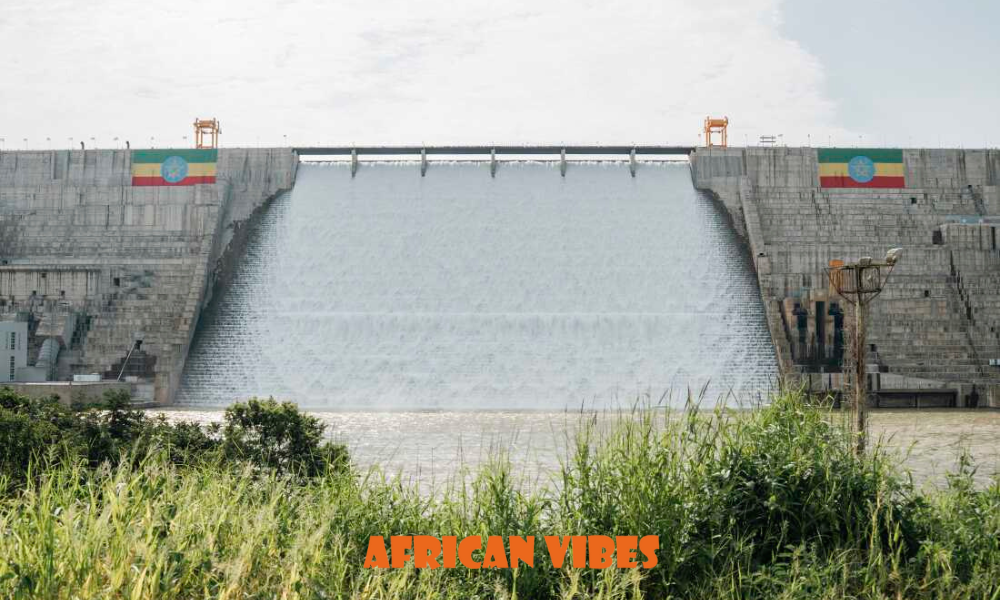
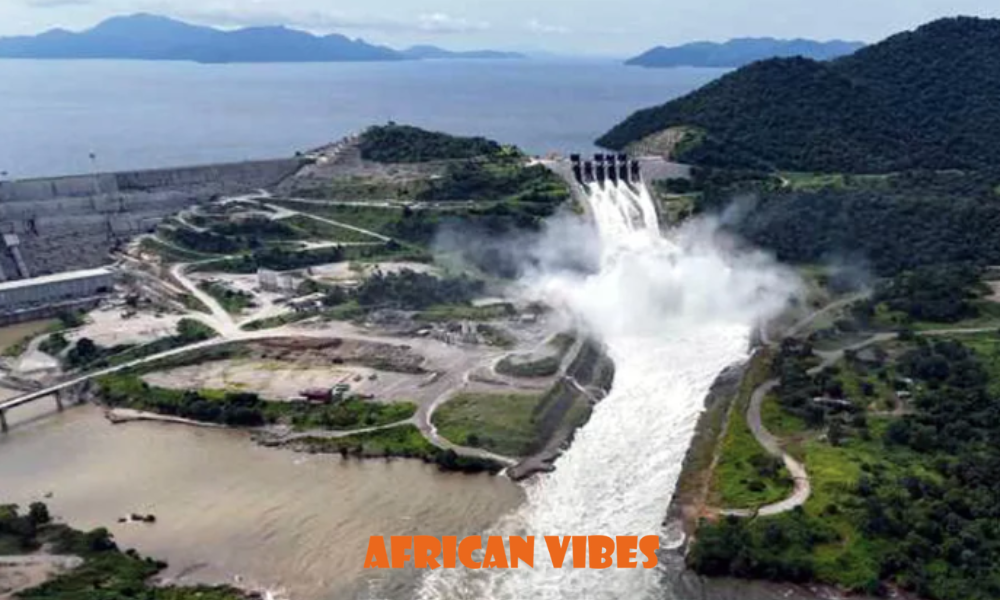
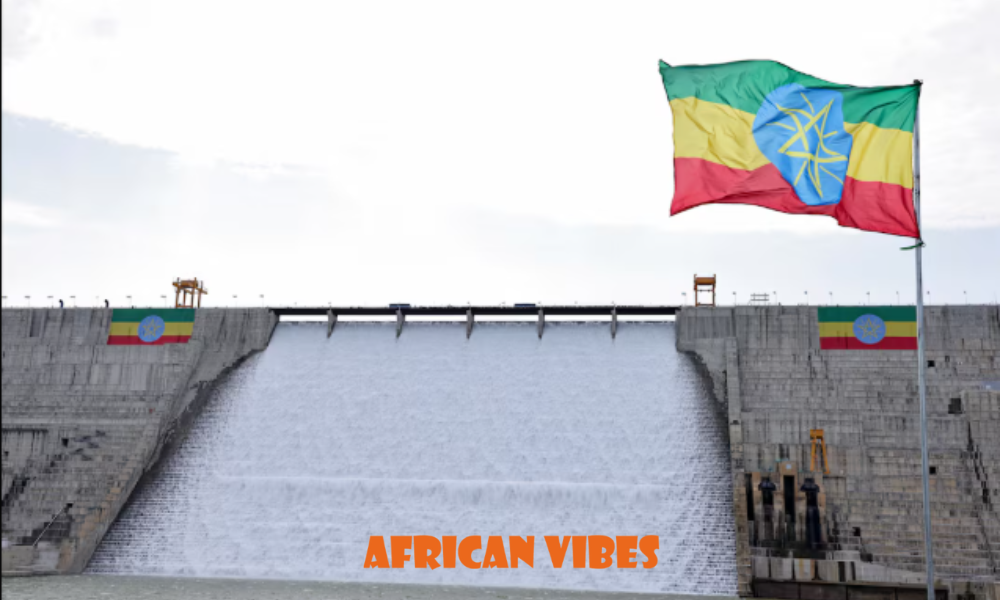
In a moment charged with history and national pride, Ethiopia has officially inaugurated the Grand Ethiopian Renaissance Dam (GERD)—Africa’s largest hydropower project. Rising on the Blue Nile after more than a decade of construction, the GERD is more than concrete and turbines: it is the embodiment of Ethiopia’s determination to lift millions out of darkness and take control of its development future.
For decades, over 60 million Ethiopians lived without reliable electricity. With GERD’s full operation, the nation now stands at the cusp of a new era—one defined by energy independence, industrial growth, and the possibility of becoming a regional power hub.
From Vision to Monument
The GERD’s journey began in 2011 when the late Prime Minister Meles Zenawi laid its foundation stone. Unlike most mega-projects in the developing world, the GERD was built without foreign loans or aid. Instead, it was financed almost entirely by Ethiopians themselves—through government bonds, grassroots fundraising, and contributions from the diaspora.
This rare, people-powered financing model turned the dam into a national symbol of unity and resilience. Construction, led by Italian firm Webuild, faced immense engineering challenges and political resistance, yet the project advanced relentlessly, showcasing Ethiopia’s capacity to dream big and deliver.
ALSO READ: 10 African Construction Projects That Will Transform Cities by 2030
Key Developments: Powering the Nation, Redefining the Region
On September 9, 2025, Ethiopia switched on the GERD in its full operational phase. With a capacity of 5,150 megawatts, the dam will more than double the country’s current electricity output—transforming its energy landscape.
The implications are vast:
- Domestic impact: Millions of households will finally gain access to electricity, fueling improvements in education, healthcare, and industry.
- Regional trade: Ethiopia plans to export surplus power to neighbors including Sudan, Kenya, and Djibouti, fostering economic integration across East Africa.
But the GERD is not without controversy. Since its inception, Egypt and Sudan have voiced concerns that the dam could restrict their access to Nile waters—lifelines for agriculture and survival. Egypt, in particular, sees the project as a potential threat to its water security. Years of negotiations have failed to produce a binding agreement on the dam’s filling and operation, leaving tensions unresolved even as Ethiopia celebrates its triumph.
ALSO READ: Mali’s Interim President Assimi Goïta’s extended term in office.
Impact and Geopolitical Analysis
The GERD fundamentally alters the balance of power along the Nile. Ethiopia now stands as a hydropower giant, no longer bound by colonial-era treaties that heavily favored Egypt. The project strengthens Ethiopia’s hand in regional politics and marks a bold assertion of its sovereign right to harness its own resources.
For Egypt and Sudan, however, the future remains uncertain. Without a joint framework, questions about water security during droughts linger. The dam’s benefits—such as reduced flooding and regulated flows—will only materialize if there is cooperation rather than confrontation.
Beyond regional politics, the GERD also symbolizes something greater: African self-reliance. It challenges the narrative that major infrastructure must be donor-driven and sets a precedent for homegrown, citizen-funded mega-projects across the continent.
Conclusion: Toward Shared Prosperity
The Grand Ethiopian Renaissance Dam is a milestone not only for Ethiopia but for Africa as a whole. It embodies resilience, innovation, and the power of collective determination. But its ultimate legacy will depend on what comes next.
If managed cooperatively, the GERD could become a model of transboundary collaboration—supplying clean energy, regulating water flow, and fostering economic integration. If left unresolved, it risks entrenching regional rivalries and instability.
For Ethiopia, the dam is a beacon of renaissance. For the Nile Basin, it is a test: will this river of life be a source of division, or can it become a shared lifeline powering a united future?