


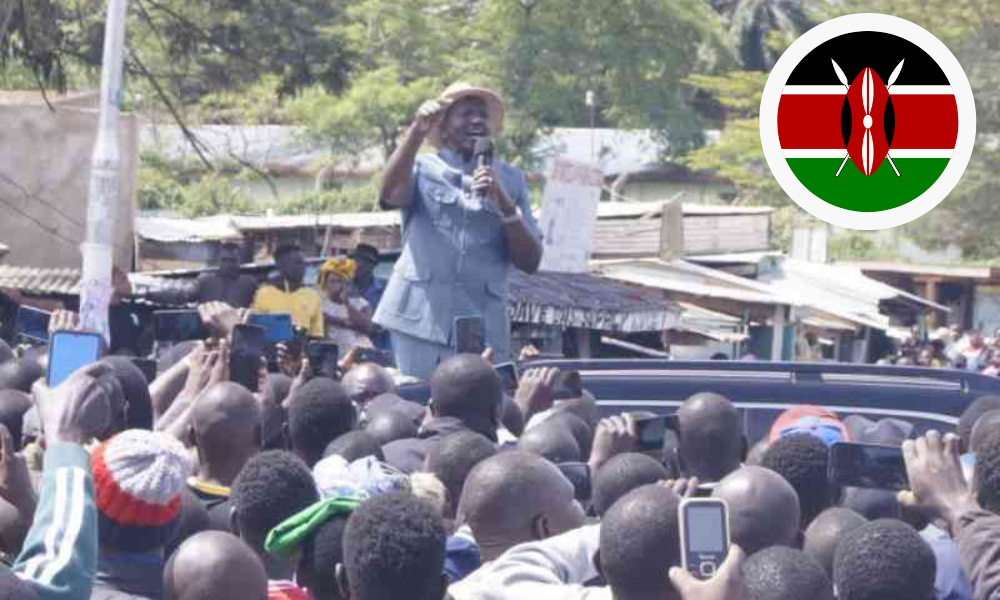
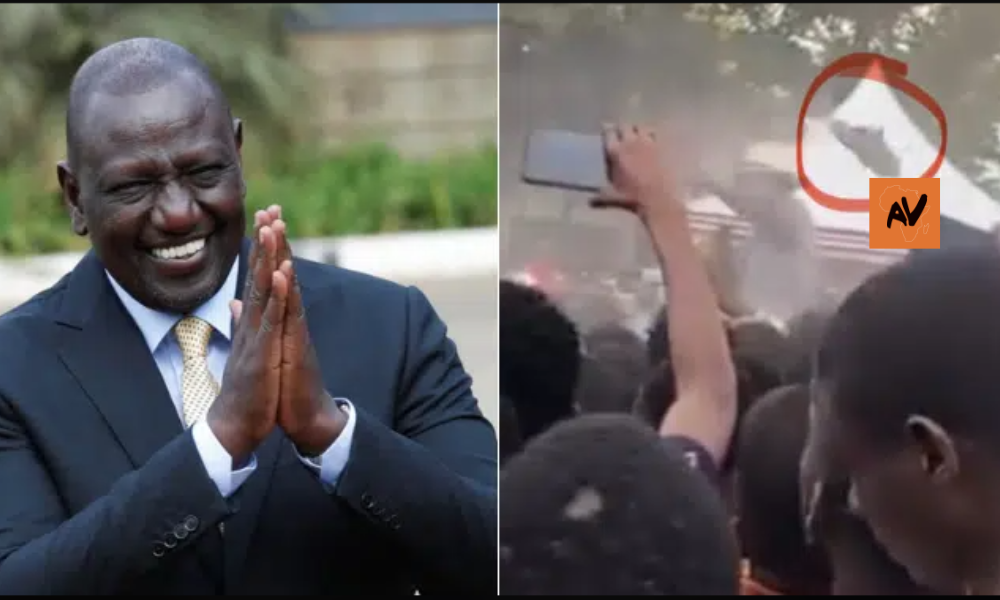
On May 4, 2025, in Kehancha, Migori County, an unexpected moment during President William Ruto’s address sent shockwaves across the country—a shoe was hurled at him from the crowd.
The president deflected it calmly and continued his speech, but the symbolism behind the act was unmistakable. In that single moment, many saw more than an object tossed—they saw a manifestation of Kenya’s growing public frustration, particularly among youth and economically strained citizens.
???? A Shoe as Protest: Global Symbolism with Kenyan Resonance
Throwing a shoe as protest isn’t new. In many cultures, particularly in the Middle East and parts of Africa, it represents the ultimate form of disrespect. The most famous modern instance occurred in 2008 when an Iraqi journalist threw his shoes at then-U.S. President George W. Bush—a protest against U.S. foreign policy.
The Migori incident taps into that same global protest vocabulary. It wasn’t just about hitting a target; it was about delivering a message—loud, blunt, and personal.
???? Economic Pressure Cooker: Why Migori Was the Flashpoint
President Ruto was addressing cost-of-living concerns—an issue that resonates deeply in Migori County, a historically opposition-aligned region. Many attendees were already frustrated by:
- Surging fuel and food prices
- Recently proposed tax hikes (now retracted)
- Youth unemployment and underemployment
- A perception that political elites are out of touch
Despite government efforts to soften these issues, including promises of better tax administration and broader inclusion, public distrust continues to fester.
ALSO READ: Inside Kenya’s Solar-Powered Motorcycle Boom
???????????? Gen Z: Shoe Thrown at President Ruto
Kenya’s Gen Z has been at the forefront of political critique through satire and social media, often using humor to vent their frustration with the Ruto administration. From witty Twitter memes to viral TikTok commentary, young Kenyans have built a culture of digital dissent.
But with the Kehancha incident, something changed:
???? Symbolic resistance moved offline.
One tweet that gained traction after the incident read:
“We’ve memed enough. Time to show up and speak truth to power.”
The line between online protest and physical action is blurring fast, and the message to the establishment is clear—Kenya’s youth are not content being ignored.
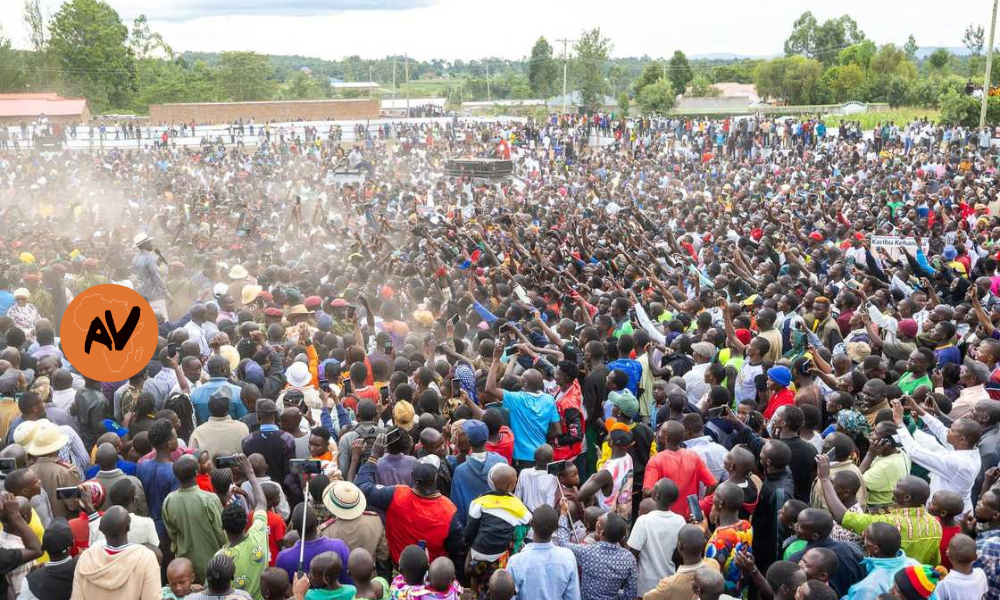
???? Government Reaction: Arrests, Condemnations, and National Debate
Interior Minister Kipchumba Murkomen confirmed that three individuals were arrested following the incident. Government officials labeled the act “shameful”, urging citizens to respect the presidency regardless of political opinion.
But the court of public opinion was divided:
- Some applauded the shoe throw as a “symbol of frustration”
- Others warned that such actions erode “respect for democratic institutions”
On Instagram (formerly Twitter), #ShoeOfTruth and #RutoProtest trended for over 24 hours, reflecting the polarized reaction among Kenyans.
???? A Nation at a Tipping Point?
This incident may seem small, but it could mark a significant shift. It reflects a collapse of fear—a new boldness among citizens to directly challenge power. The gesture wasn’t just about Ruto—it was about the system he represents.
For many, the question is no longer just “What is the government doing?”
It’s “Does the government care enough to listen?”
As Kenya heads into the next phase of its democratic journey, the Kehancha moment stands as a signal: the old rules of political engagement are breaking down.
ALSO READ: Inside the Rhino Charge EV Debut That’s Turning Heads Across Africa
???? Final Word: It Was Just a Shoe—Or Was It?
President Ruto remained unharmed. The rally concluded. But that airborne shoe has etched itself into the nation’s political consciousness.
It’s no longer just about slogans or policy critique.
It’s about visibility, voice, and symbolic defiance.
The government can choose to treat this as an act of aggression—or as a wake-up call. If Kenya’s leadership ignores the root causes of such protest, the next message might not be thrown. It might be shouted by millions.