


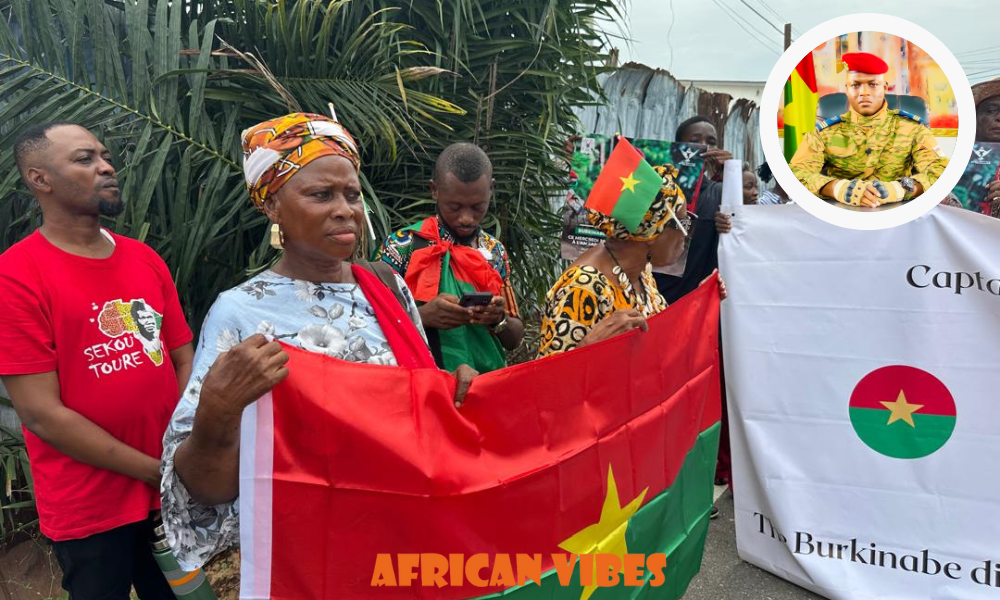
A New Front in Africa’s Struggle for Sovereignty
On April 3, 2025, U.S. Army General Michael Langley, head of the United States Africa Command (AFRICOM), made a provocative claim in a Senate hearing: Burkina Faso’s President Ibrahim Traoré is using the nation’s gold reserves to “protect the junta” rather than the people.
The allegation ignited a firestorm across African media and social platforms, raising a central question:
Is President Traoré exploiting national resources for power—or reclaiming Africa’s gold for its rightful owners?
The Accusation: AFRICOM Enters the Fray
During his testimony, General Langley suggested that Burkina Faso’s leadership is leveraging gold revenues to entrench military rule while rejecting U.S. cooperation. His comment, “They’re trading gold to protect the junta, not the people,” struck a chord—and a nerve—throughout West Africa.
AFRICOM, officially tasked with supporting security and counterterrorism in Africa, has increasingly come under scrutiny for its perceived interference in domestic affairs. Many Africans see Langley’s statement as part of a broader pattern of Western overreach.
Government Response: Traoré Hits Back
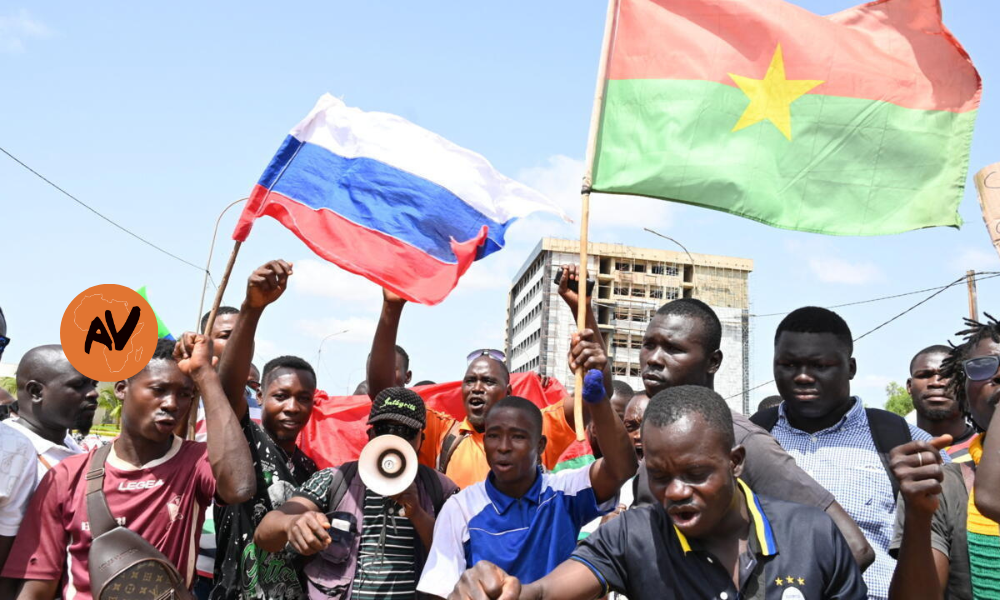
The government of Burkina Faso quickly and forcefully denied the claims. Officials insisted that gold revenues are being redirected toward public infrastructure, anti-terrorism efforts, and restoring state services in neglected rural areas.
In a televised statement, Traoré declared:
“Burkina Faso’s resources are for Burkinabè first. We are ending decades of theft disguised as aid.”
The government has recently renegotiated several mining contracts, reducing foreign control and requiring companies to pay a higher share to the national treasury—a move welcomed by many citizens but derided by international investors.
Traoré: Revolutionary or Autocrat?
Since rising to power in a 2022 coup, Captain Ibrahim Traoré has positioned himself as a Pan-African nationalist. His administration has expelled French troops, suspended military ties with the U.S., and deepened cooperation with Russia and other Global South powers.
To some, he’s a liberator. To others, an autocrat cloaked in revolutionary rhetoric. His increasing consolidation of power raises legitimate concerns about press freedom, civil liberties, and long-term governance.
But his supporters argue that true independence requires bold leadership, and Traoré is delivering where previous presidents bowed to foreign interests.
Africa’s Social Media Responds: #HandsOffOurGold
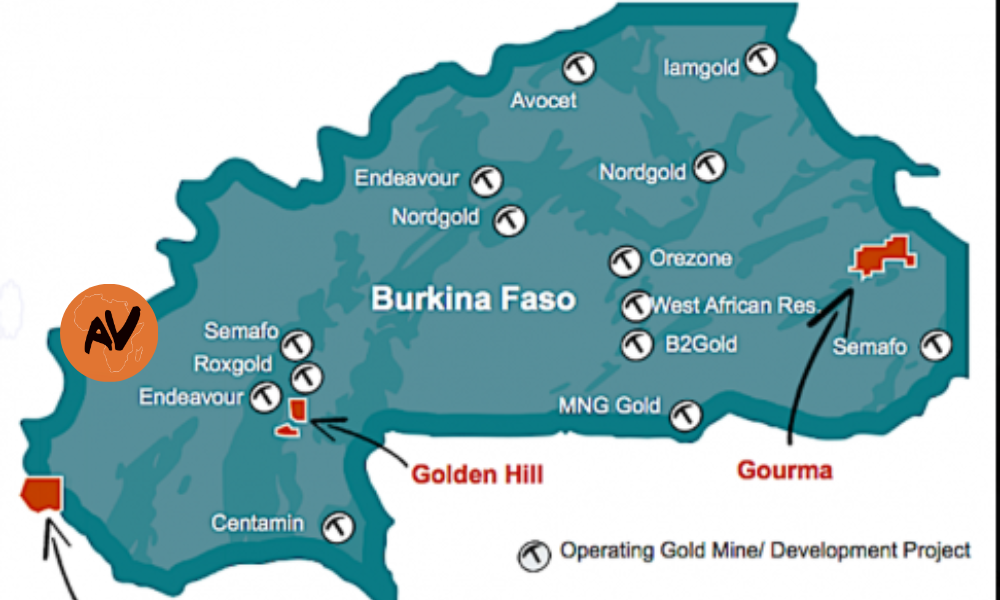
African youth have taken to social media in defense of Traoré and broader African sovereignty. On platforms like X , Instagram and TikTok, hashtags like #HandsOffOurGold, #AfricaForAfricans, and #IStandWithTraoré have gained massive traction.
“When France and the U.S. had our gold, no one asked where it went. Now that we’re keeping it, suddenly it’s a problem?”
— User comment under a viral TikTok video with 1.3M views
Others have posted historical breakdowns of gold extraction in Mali, Ghana, and Burkina Faso, arguing that Western criticism masks economic self-interest. Some dissenters, however, warn that online support must not blind citizens to growing authoritarian tendencies.
The Bigger Picture: Sovereignty vs. Superpowers
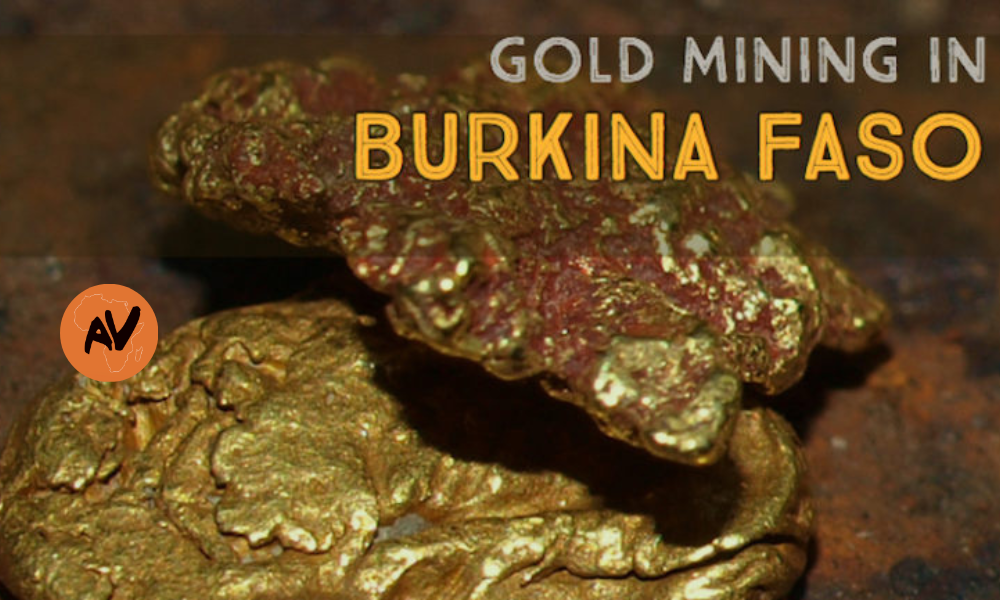
Burkina Faso is not alone. Mali, Niger, and Guinea are also asserting greater control over resources, pushing out French influence, and seeking new global partners. This marks a turning point in Africa’s post-colonial struggle—one rooted in economic liberation.
For AFRICOM and the U.S., the stakes are geopolitical. Losing military and diplomatic leverage in mineral-rich regions threatens their long-term strategic interests, especially as China and Russia expand their influence across the continent.
ALSO READ: Burkina Faso Launches State Of The Art Tomato Processing Plant
Conclusion: The Price of Independence
This is not merely a scandal about gold. It’s a confrontation over who gets to define Africa’s future. As one Burkinabè activist put it:
“They want our resources, not our independence. But we’re awake now.”
Whether President Traoré becomes a symbol of hope or a cautionary tale remains to be seen. But the message from many Africans is loud and clear:
The era of silent extraction is over. The people want to speak—and keep—their gold.