


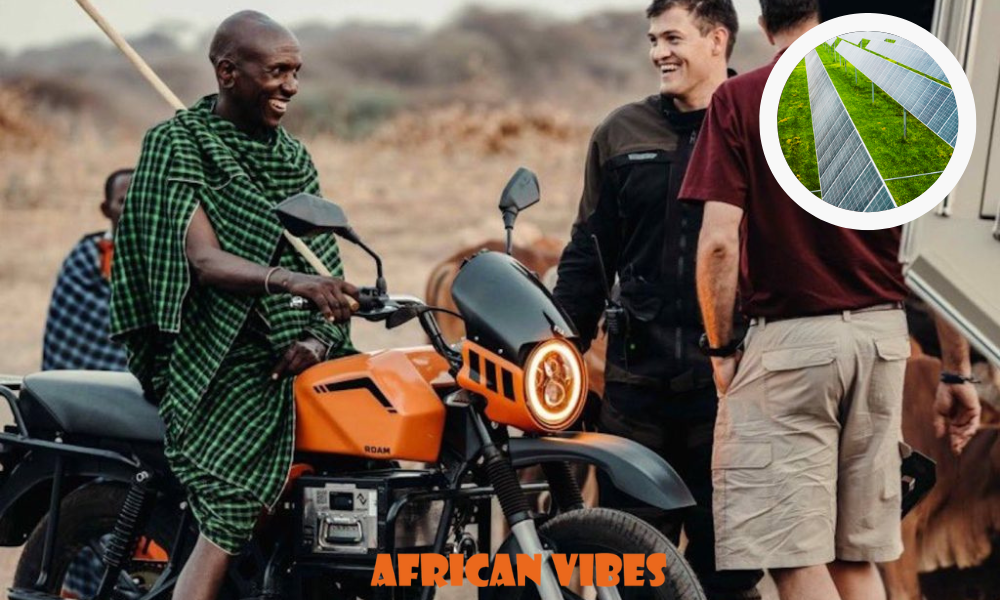
☀️ From Gas to Green: A Mobility Revolution in Motion
In the buzzing streets of Nairobi and the red-dust roads of Kisumu, a quiet but powerful shift is taking place—Kenya’s boda boda industry is going electric. But not just any electric. The newest wave of two-wheelers running across the country is powered by the sun.
Welcome to Kenya’s solar-powered motorcycle boom, a transformation that’s not only slashing fuel costs for riders but also accelerating the nation’s transition to a clean, decentralized, and locally-driven transport ecosystem.
???? Why Motorcycles Matter in Africa
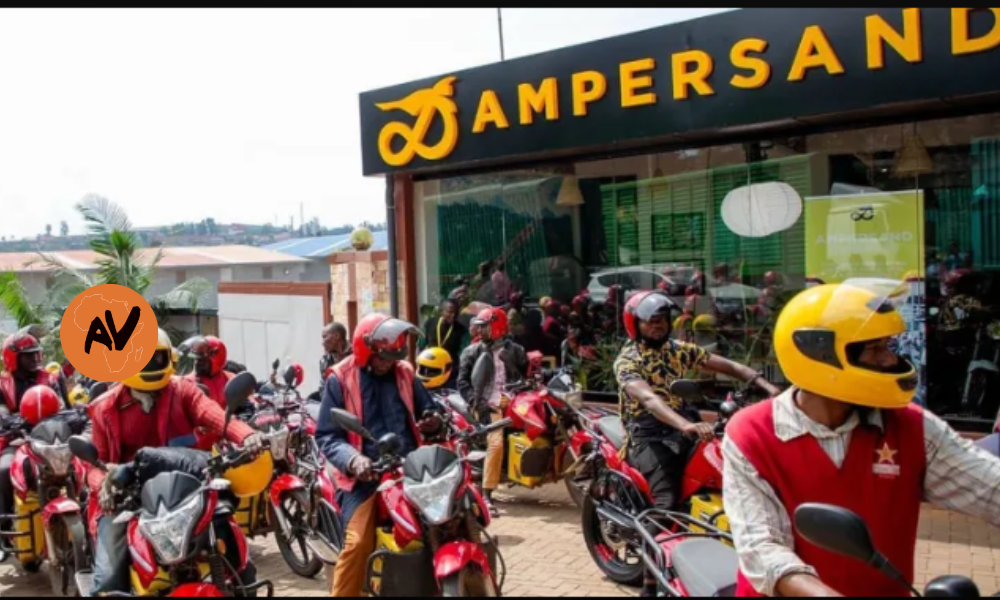
Motorcycles—locally known as boda bodas—are the lifeblood of transportation across East Africa. In Kenya alone, there are over 1.2 million registered boda boda riders, moving everything from school children to vegetables to mobile money agents.
But with fuel prices climbing and air pollution intensifying in urban centers, the sector has long been in need of reinvention. That’s where solar-powered electric motorcycles (e-bodas) come in—with potential to:
- Reduce daily fuel and maintenance costs by up to 70%
- Eliminate tailpipe emissions
- Create green jobs in battery swapping and solar charging stations
ALSO READ: Climate-Tech Startups in Nigeria Experience Surge in Private Funding
???? How It Works: The Solar-Boda Model
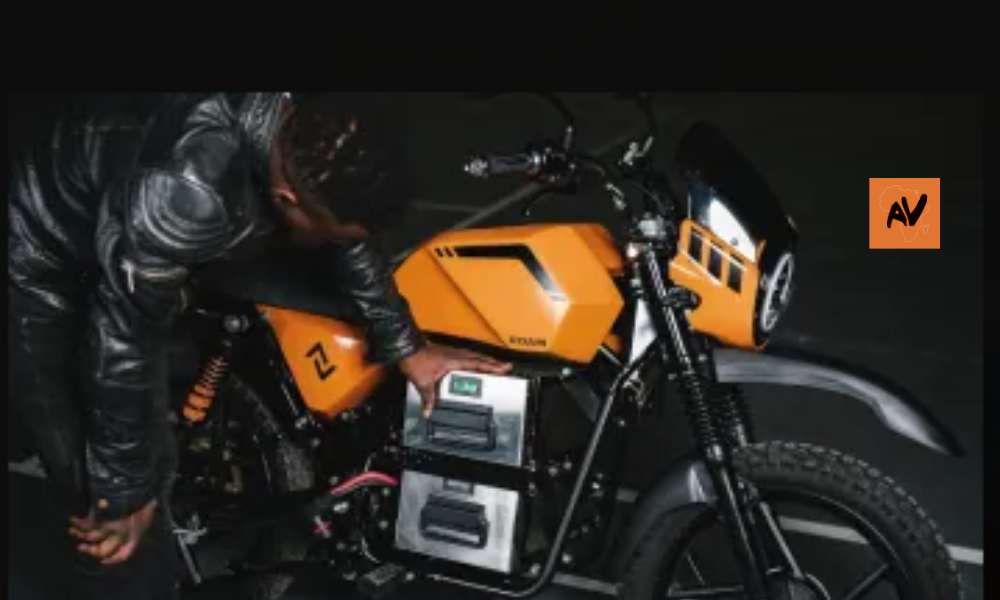
Most of Kenya’s e-boda solutions rely on a solar charging infrastructure paired with removable lithium-ion batteries. Here’s the typical setup:
- Riders lease or purchase electric motorcycles (from companies like Roam, Ampersand, or Ecobodaa)
- They swap discharged batteries at solar-powered battery stations
- Charging stations are operated using off-grid solar mini-grids, often run by local entrepreneurs
This model reduces range anxiety, bypasses weak grid infrastructure, and creates community-powered energy hubs in both cities and rural areas.
???? Who’s Powering the Boom?
Several startups and partnerships are driving the transition:
- Roam (formerly Opibus): Nairobi-based, producing both e-bodas and EV buses, now piloting solar battery swap stations
- Ampersand: Operating in Kenya and Rwanda, focuses on affordable lease-to-own models
- Ecobodaa: Offers solar-charging e-bodas specifically tailored to Nairobi riders
- SolarKiosk & Powerhive: Providing the solar tech backbone for off-grid charging
- KPLC & Rural Electrification Authority (REA): Exploring policies to support solar-powered transport
???? Why Now? The Timing Is Just Right
Several factors are converging to supercharge Kenya’s solar-e-bike movement:
- High fuel prices and foreign exchange pressure
- Favorable government policies including tax breaks on EVs and batteries
- A growing solar energy market with falling panel and storage costs
- Strong donor and investor interest from climate funds and ESG-aligned VC firms
Plus, Kenya’s youth-led gig economy—food delivery, courier services, and ride-hailing—is hungry for tech that cuts operational costs.
???? The Environmental Payoff
Replacing fossil-fuel motorcycles with solar-powered alternatives has significant climate benefits:
- Every electric boda removes 1–3 tons of CO₂ annually
- Reduced urban noise and air pollution
- Integration with Kenya’s already 90% clean energy grid
On a national scale, this could position Kenya as a global model for clean last-mile transport in the Global South.
???? Opportunities & Obstacles Ahead
✅ Opportunities:
- Franchise-based charging networks for youth
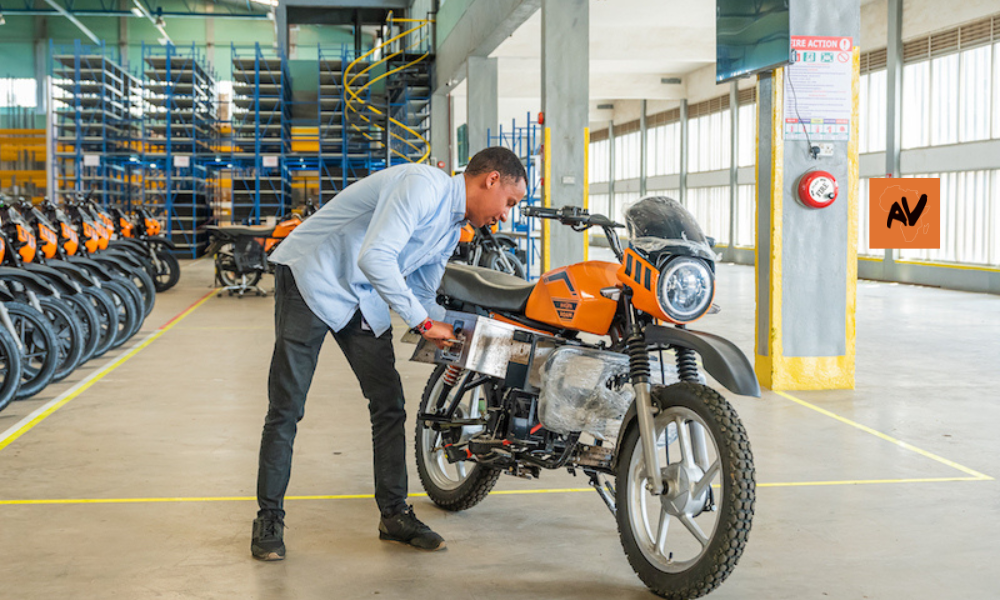
- Local assembly and manufacturing jobs
- Rural delivery services in agriculture and health
⚠️ Obstacles:
- Upfront costs still a challenge despite leasing options
- Battery theft and replacement accountability
- Policy clarity around e-boda licensing and insurance
But the momentum is undeniable—and getting solar-charged.
???? Expert Insight
“The boda boda sector can leapfrog straight into a sustainable future. With solar, we solve energy access and transport emissions at the same time.”
— Wanjiku Kimani, Mobility & Energy Analyst, Nairobi
❓ Frequently Asked Questions
Are solar-powered motorcycles common in Kenya?
Yes, especially in Nairobi, Kisumu, and pilot rural hubs where solar battery swap stations are active.
How do riders charge the motorcycles?
They swap out removable batteries at solar-powered kiosks, similar to topping up fuel.
Is this affordable for riders?
Most startups offer daily or weekly leasing, making it cheaper than petrol-based options in the long run.
Who are the key players?
Roam, Ampersand, Ecobodaa, and solar partners like Powerhive and SolarKiosk.
What’s the impact?
Lower emissions, cheaper transport, cleaner cities—and more energy autonomy.