


⚡ The Wild Meets the Wired
When most people imagine electric vehicles (EVs), they picture sleek, quiet cars cruising down urban highways. But what happens when you take that idea and drop it into the middle of Kenya’s most brutal off-road motorsport challenge?
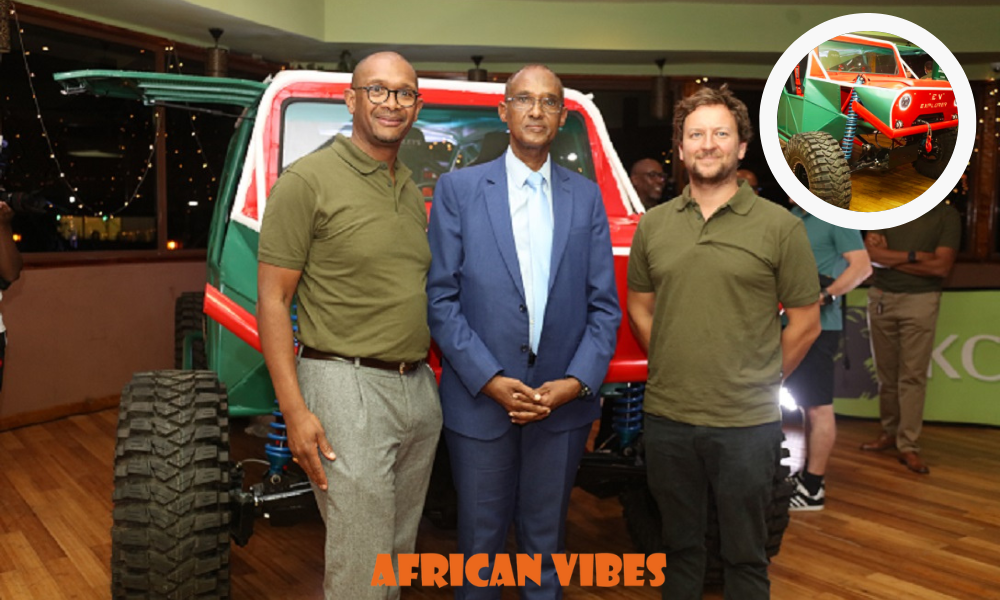
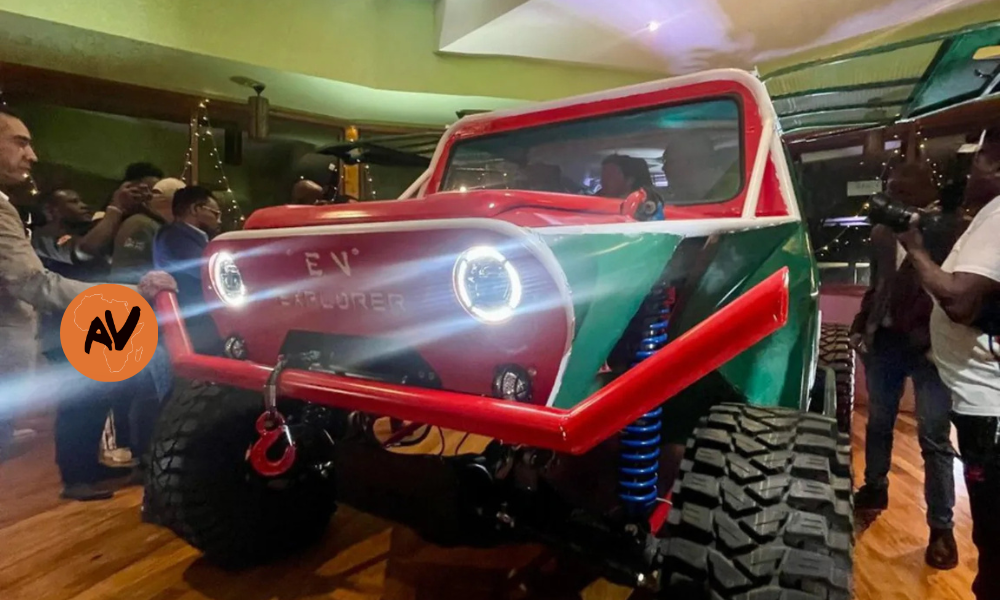
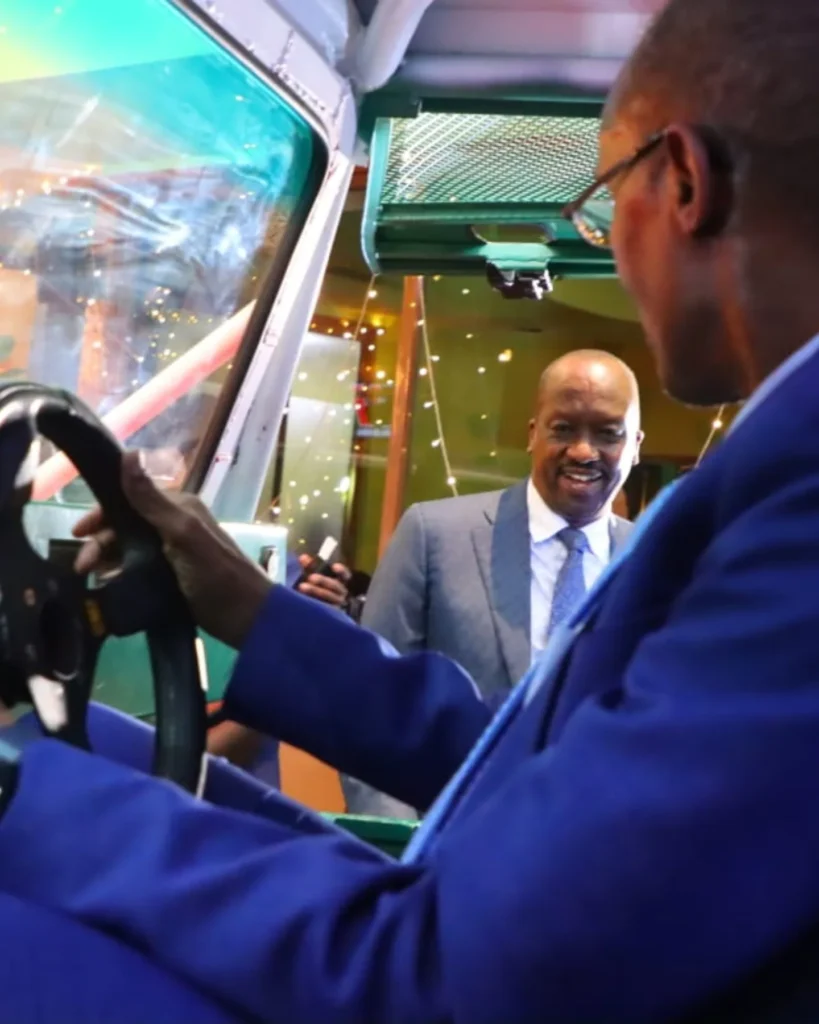
Enter Car 29, the first electric 4×4 ever built specifically for the Rhino Charge, Kenya’s grueling off-road fundraising rally. Designed by the EV Explorers, a team of Kenyan engineers and sustainability advocates, this vehicle isn’t just aiming to compete—it’s here to redefine what electric vehicles can do in Africa.
???? Rhino Charge EV Debut: More Than Just a Race
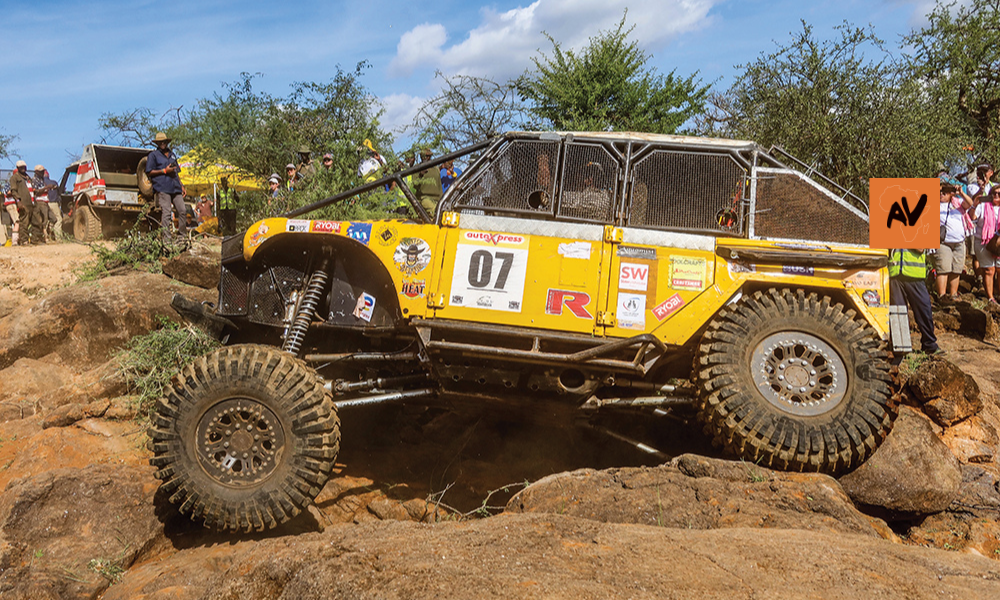
The Rhino Charge is not for the faint-hearted. Held annually in Kenya, it challenges competitors to navigate unmarked wilderness, rocky riverbeds, and brutal heat—raising over KES 2.4 billion for the Rhino Ark Kenya Charitable Trust, which builds 780 kilometers of protective fencing, safeguarding wildlife and rural communities alike.
This year, all eyes are on a Kenyan-built electric 4×4, created by the EV Explorers team. It’s the first time in the event’s 35-year history that an EV is daring to compete. But this isn’t just a novelty—it’s a test of endurance and innovation that may reshape how Africa approaches transportation in extreme environments.
In short: this is a race with heart—and now, a motor that hums instead of roars.
ALSO READ: Inside Kenya’s Solar-Powered Motorcycle Boom
???? Building Kenya’s First Electric Off-Roader
The EV Explorers, led by Richard Kiplagat and designed by Nick Foley, didn’t just retrofit a city EV for the wild. They built a vehicle from scratch to take on Kenya’s harshest terrain.
Key Features of Car 29:
- High-torque electric motors for rock crawling and soft sand
- Modular battery system allowing fast swaps and heat control
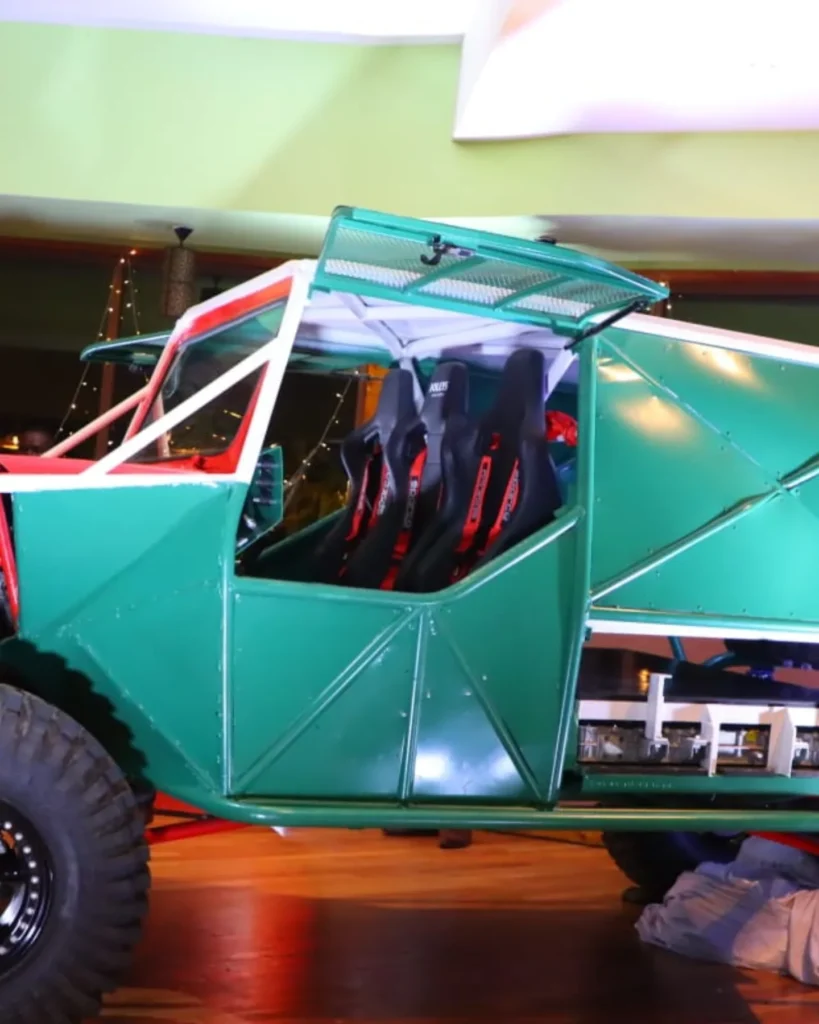
- Reinforced chassis and suspension made for impact absorption
- Low-end acceleration that rivals traditional diesel power
This machine is a fusion of engineering creativity, climate consciousness, and pure grit.
???? Why Kenya Is the Perfect Testbed for EV Innovation
Kenya isn’t just a backdrop—it’s the driver of this story. With abundant renewable energy sources like geothermal, wind, and solar, the country is uniquely positioned to leapfrog into sustainable mobility.
By showcasing that EVs can survive—and thrive—in extreme off-road conditions, the Rhino Charge debut sends a bold message:
“Electric doesn’t mean fragile. It means future-proof.”
???? Challenges That Fueled Breakthroughs
Bringing an off-road EV to life wasn’t easy. The team faced:
- Limited off-road EV parts in the region
- Weight and durability trade-offs
- Battery cooling issues in high ambient temperatures
- Doubt from traditionalists in the motorsport world
But with strategic sponsorship from Africa Practice, KenGen, Base Titanium, Safaricom, Gulf Energy, and others, the EV Explorers turned those hurdles into history.
???? What This Means for Africa’s Climate-Tech Future
This project isn’t just about motorsport. It’s a test case for:
- Electric vehicles in off-grid environments
- Local EV innovation ecosystems
- Climate-smart sponsorship and branding
- Public-private partnerships in green tech
If an EV can handle Baringo County, it can handle rural delivery, game park patrols, and emergency mobility—the kinds of real-world African use cases that global automakers often ignore.
ALSO READ: Burkina Faso Launches State Of The Art Tomato Processing Plant
???? What to Watch at Rhino Charge 2025
The big debut happens May 31, 2025, in Baringo County. All eyes will be on:
- Whether Car 29 can complete the course
- How it performs vs. diesel-powered vehicles
- How spectators, sponsors, and media react
And most importantly—whether this moment sparks more African-built EV experiments beyond the racetrack.
❓ Frequently Asked Questions (SEO Snippet-Ready)
Can electric vehicles handle African terrain?
Yes. The EV Explorers’ vehicle is custom-built for rough, off-road terrain and performs well in high-heat, high-impact conditions.
What is the Rhino Charge?
It’s Kenya’s toughest off-road rally, raising money for conservation through extreme navigation and endurance driving.
Why is this EV important?
It’s the first of its kind in Rhino Charge history, signaling a move toward climate-smart engineering and African-led EV solutions.
Who built the Rhino Charge EV?
The EV Explorers, a Kenyan team led by Richard Kiplagat and Nick Foley.
When is the Rhino Charge 2025 happening?
The race takes place on May 31, 2025, in Baringo County, Kenya.