


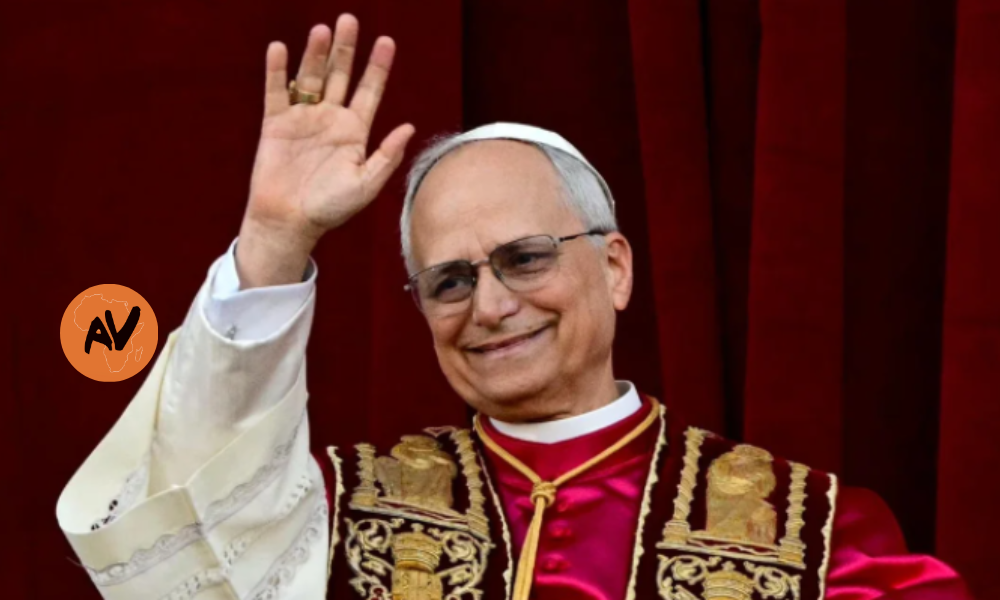
???? Who Is Pope Leo XIV?
On May 8, 2025, Cardinal Robert Francis Prevost, an American-born Augustinian priest with deep missionary ties to Peru, was elected Pope Leo XIV. His ascension marks a historic moment—the first time a U.S.-born cardinal has become pope.
Born in Chicago, Pope Leo XIV spent over two decades serving in Peru before joining the Vatican as Prefect for the Dicastery of Bishops. His election has been widely celebrated in the Americas, particularly by those who view him as a bridge between the Global North and South.
Yet, his papacy raises a critical question: Where does this leave Africa?
???? Was an African Pope Expected?
Yes—and not without reason.
The possibility of a Black or African pope has loomed large in public imagination for years. Figures like Cardinal Peter Turkson (Ghana) and Cardinal Fridolin Ambongo (DR Congo) were frequently listed as papabili, especially given the explosive growth of Catholicism in sub-Saharan Africa.
As of 2023, over 250 million Catholics lived in Africa, a number projected to surpass Europe by 2040. Africa also boasts some of the youngest and most vibrant Catholic communities in the world. The symbolic and spiritual case for an African pope had never been stronger.
And yet, the conclave chose America.
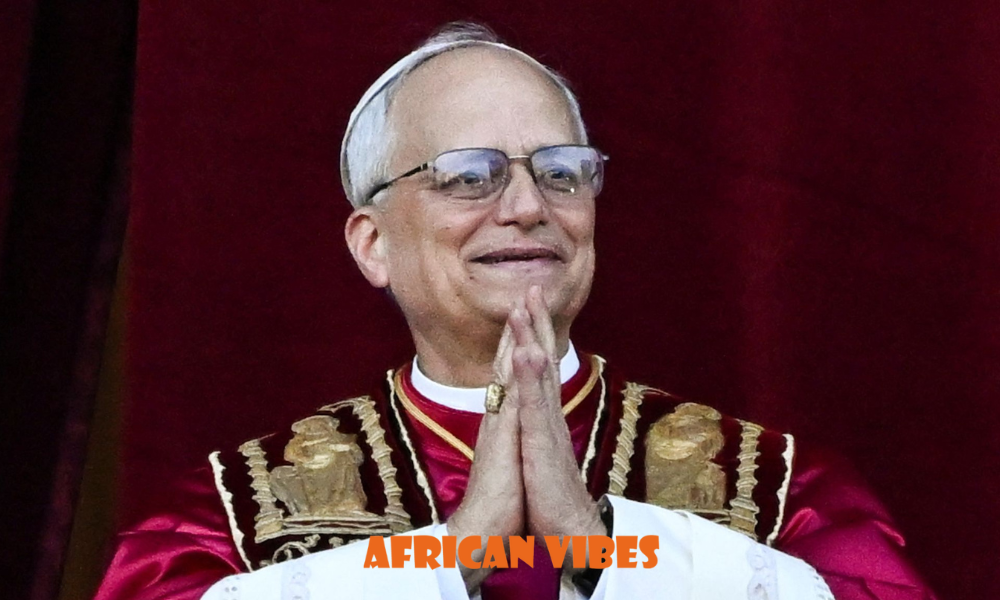
???? The Vatican’s Strategic Pivot: Why an American Now?
The selection of Pope Leo XIV signals a strategic geo-ecclesial balancing act.
While he is American, his missionary past in Latin America gives him credibility in the Southern Hemisphere. His experience managing Vatican affairs also makes him a safe, transitional figure for the Church amid rising global polarization.
But viewed through the African lens, this pivot could feel like yet another missed moment—a quiet reinforcement of the idea that Africa remains the Church’s periphery, not its center.
ALSO: Is the Next Pope African? Meet 14 Cardinals Changing the Face of the Church
????️ What African Clergy Actually Want
It’s important to note: African bishops and cardinals are not simply demanding a Black pope. Their aspirations are structural and strategic:
- More African voices in doctrinal debates and global synods.
- Greater say in bishop appointments, especially in regions where Africa is growing fastest.
- Investment in Catholic institutions across the continent: seminaries, media, education, and health systems.
- Recognition of Africa’s moral authority in theological and social matters—issues like climate justice, migration, and postcolonial healing.
As one Ugandan theologian recently told The Tablet, “We do not seek only symbolic elevation. We seek a Church that listens, not one that nods politely.”
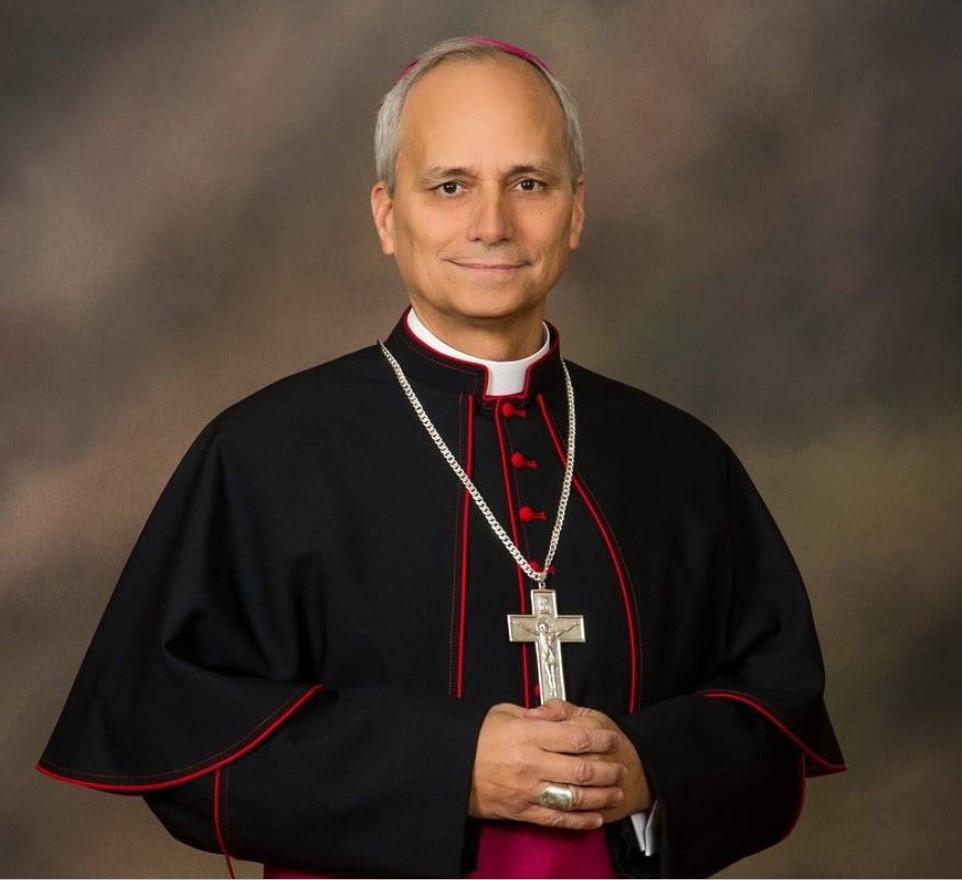
???? Reactions from Africa: Hope, Grace, and a Touch of Disappointment
Reactions across the African continent have been respectful but muted. The leadership of the Symposium of Episcopal Conferences of Africa and Madagascar (SECAM) offered prayers and blessings for Pope Leo XIV, while urging the Vatican to “amplify the voices of all faithful, especially those from the margins.”
Many African Catholics have responded with grace—but also a sense of deferred recognition. The hope for an African pontiff remains alive, but tinged with realism.
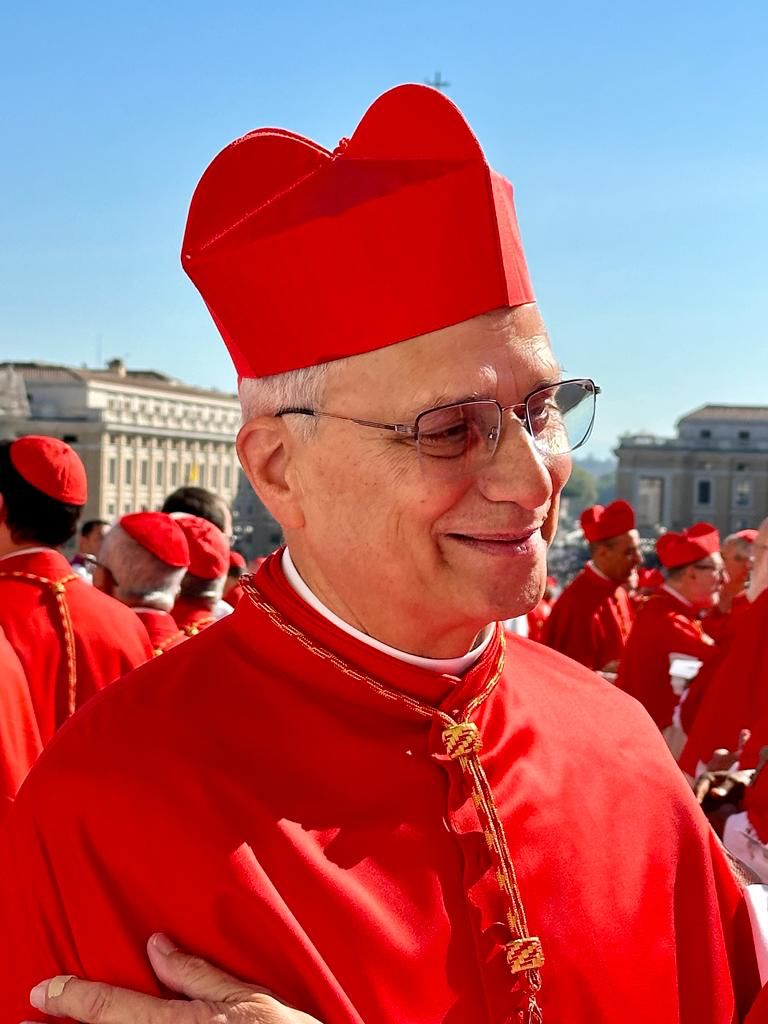
ALSO READ: Pope Francis, First Latin American Pontiff, Dies at 88
???? Africa Is the Future—But When Will It Be the Present?
The Church’s future is undeniably African. But the Vatican’s current structures continue to be shaped by European legacy and Western diplomacy.
The election of Pope Leo XIV offers stability—but also extends the timeline for deeper, more equitable global representation. The African Church, young and ascendant, now faces a crossroads: continue waiting for the center to recognize it, or begin shaping its own voice—confident, firm, and unshaken.
???? Conclusion: A New Chapter Begins
Pope Leo XIV’s election is a moment of global hope and historic precedent. But it also reopens the conversation about what kind of Church leadership truly reflects its people.
For now, Africa waits. But not in silence.