


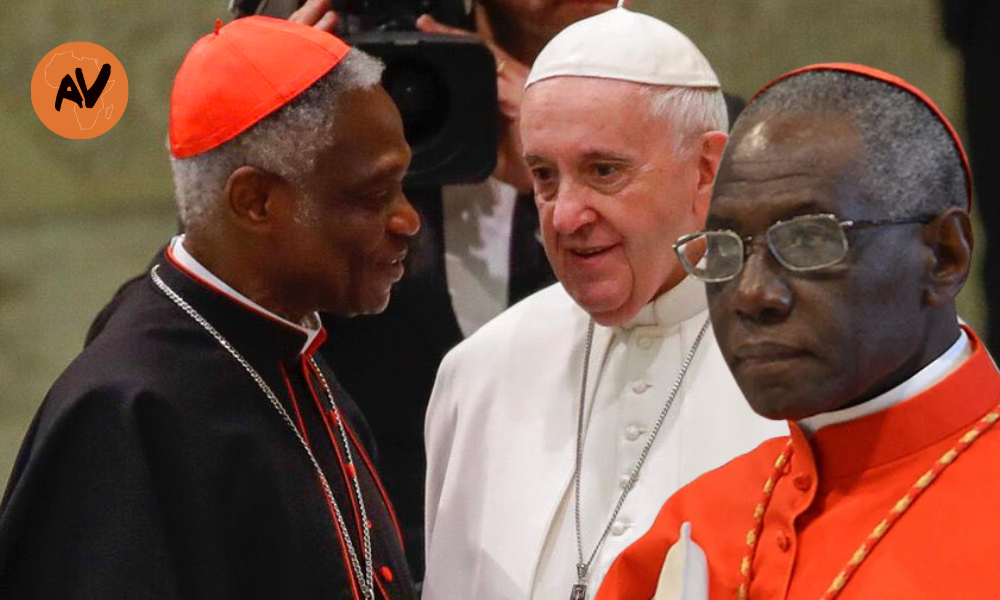
As the world prepares for the next papal conclave, the question on every Catholic observer’s mind is: who will succeed Pope Francis? The famous Vatican saying warns, “He who enters the conclave as pope, leaves it as a cardinal.” It’s a reminder that the process is always unpredictable.
In 2013, Cardinal Jorge Bergoglio—barely mentioned on early shortlists—was elected Pope Francis, surprising the world. This time, the stakes are even higher.
Francis has transformed the College of Cardinals by appointing prelates from the Global South and elevating voices from communities previously overlooked by the Roman Curia.
The next pope could either carry forward his pastoral vision or mark a dramatic shift in Catholic leadership.
1. Cardinal Pietro Parolin (Italy, 70)
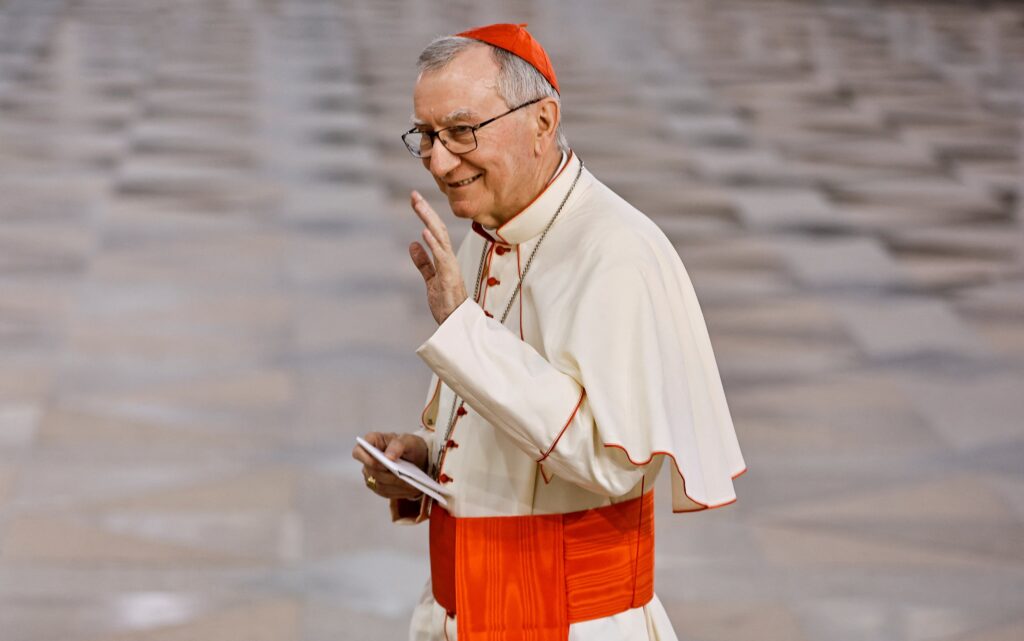
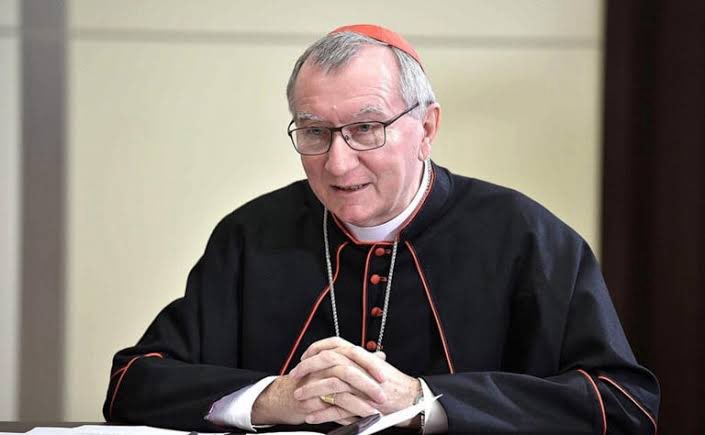
As the Vatican’s Secretary of State, Cardinal Parolin is the Church’s top diplomat. He’s been pivotal in negotiations with Vietnam and China, helping establish fragile but historic agreements. Known for his calm demeanor and traditional values, Parolin represents institutional continuity. However, his close ties to Vatican bureaucracy could be a drawback for those seeking a more pastoral or prophetic leader.
ALSO READ: Pope Francis, First Latin American Pontiff, Dies at 88
2. Cardinal Matteo Zuppi (Italy, 69)
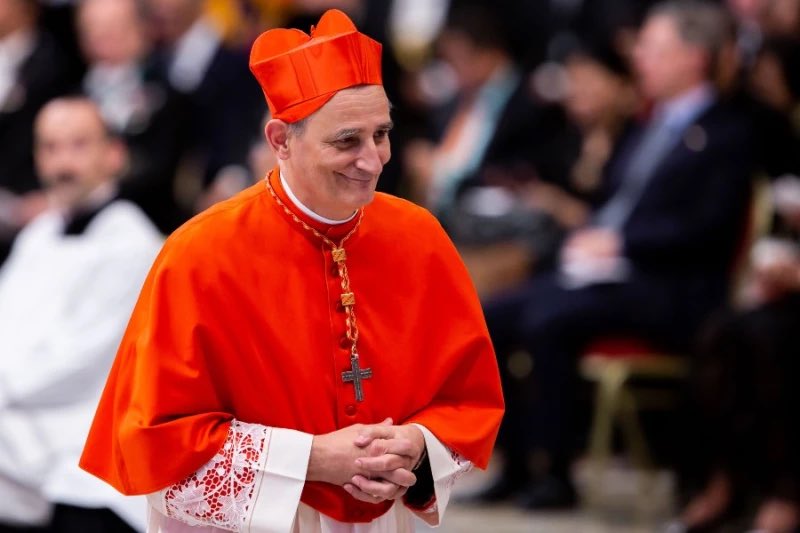
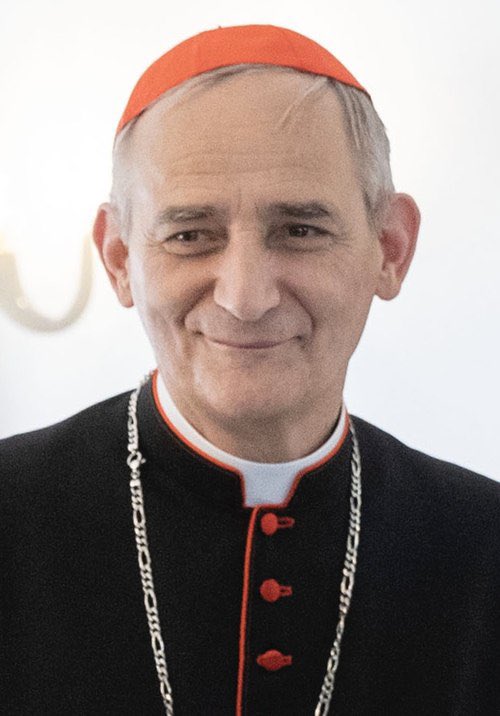
The Archbishop of Bologna, Cardinal Zuppi is beloved for his deep commitment to peacebuilding and inclusion. He helped mediate the end of the civil war in Mozambique and was recently tasked with a Vatican mission to promote peace in Ukraine.
Zuppi is also a member of the Sant’Egidio Community, known for interfaith dialogue and service to the poor. A progressive voice on LGBTQ+ outreach, he combines pastoral sensitivity with diplomatic skill.
3. Cardinal Luis Antonio Tagle (Philippines, 67)
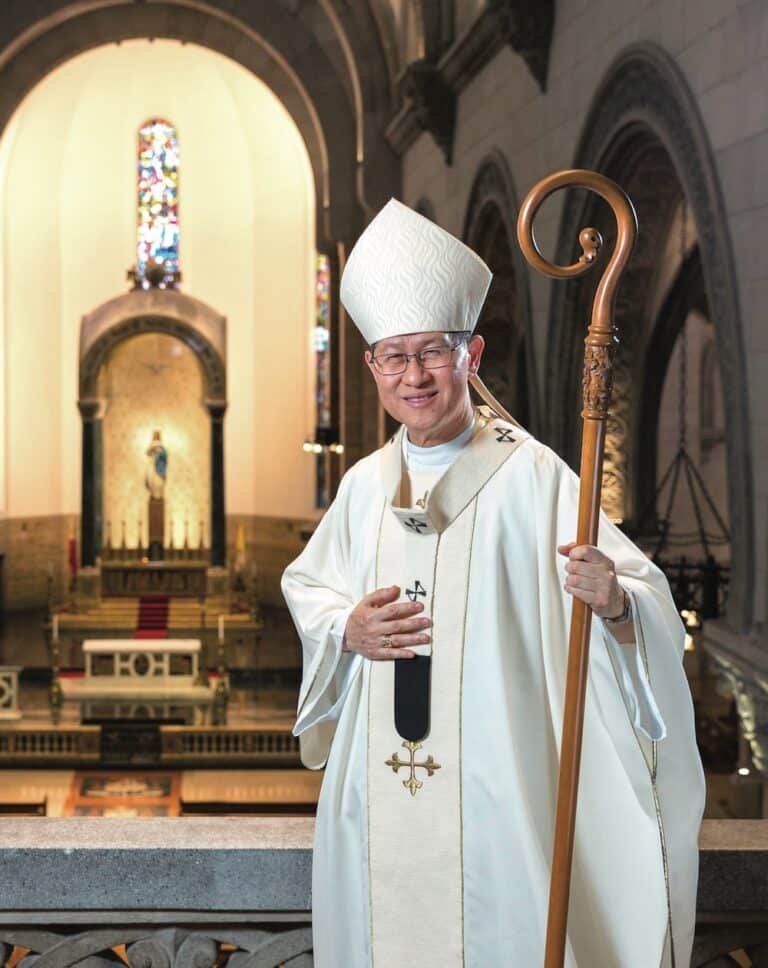
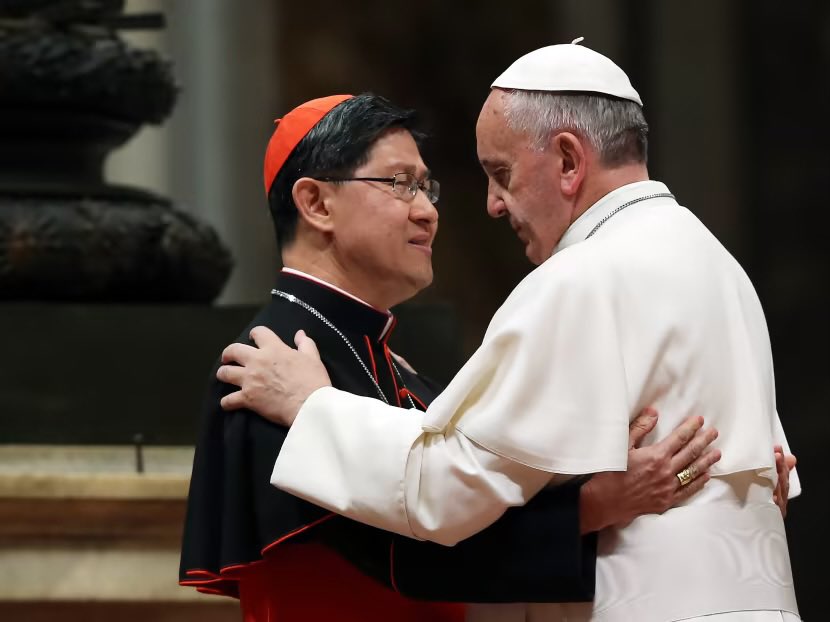
Nicknamed the “Asian Francis,” Cardinal Tagle is charismatic, humble, and deeply pastoral. As the former head of Caritas Internationalis and the current prefect of the Dicastery for Evangelization, he embodies the Church’s mission to the margins.
Tagle would be the first Southeast Asian pope. While his warmth resonates globally, some question his readiness for the demanding administrative aspects of the papacy.
4. Cardinal Pablo Virgilio David (Philippines, 66)
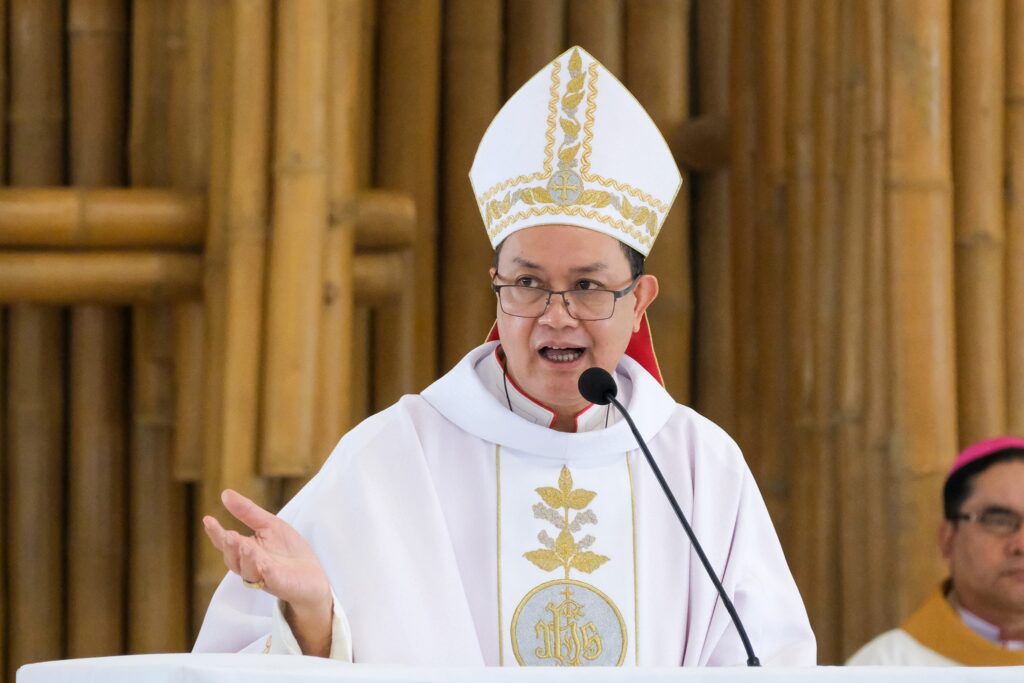
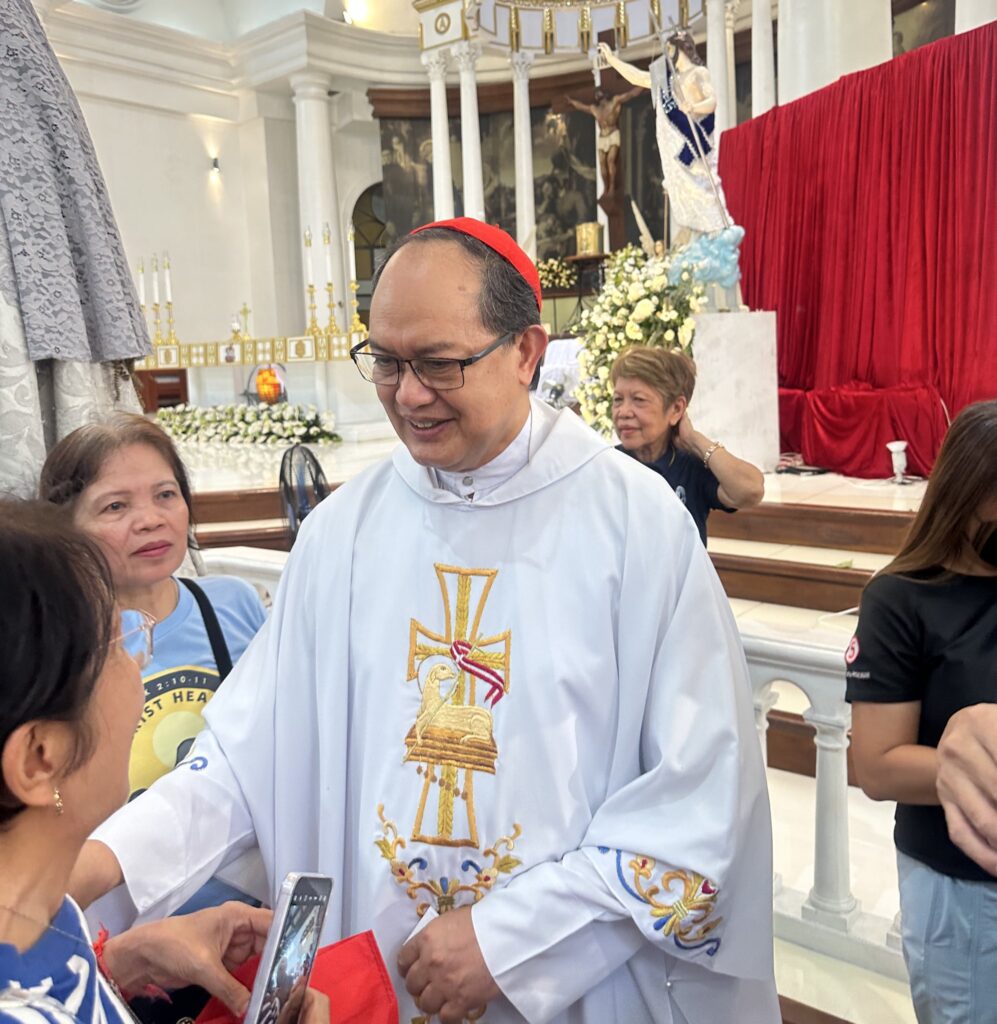
Outspoken during the Duterte regime in the Philippines, Cardinal David gained global attention for defending human rights and the dignity of the poor. As the president of the Catholic Bishops’ Conference of the Philippines, he leads a vibrant and growing Church.
Known for his vision of a “field hospital” Church, he may appeal to those who want to continue Francis’ emphasis on compassion and outreach.
5. Cardinal Gérald Lacroix (Canada, 67)
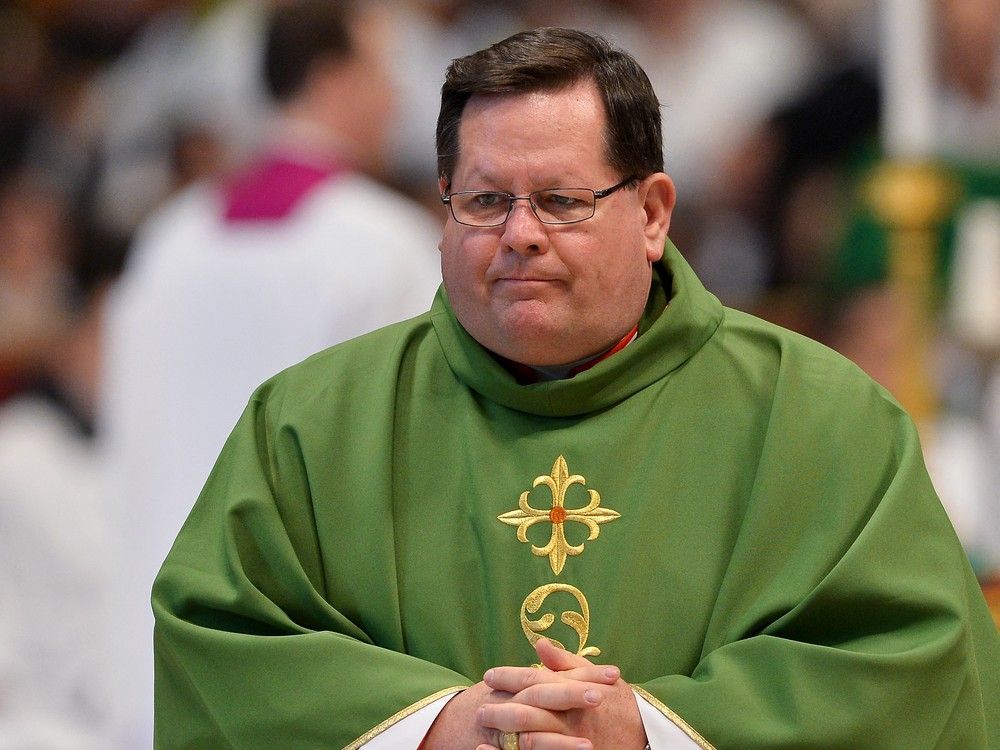
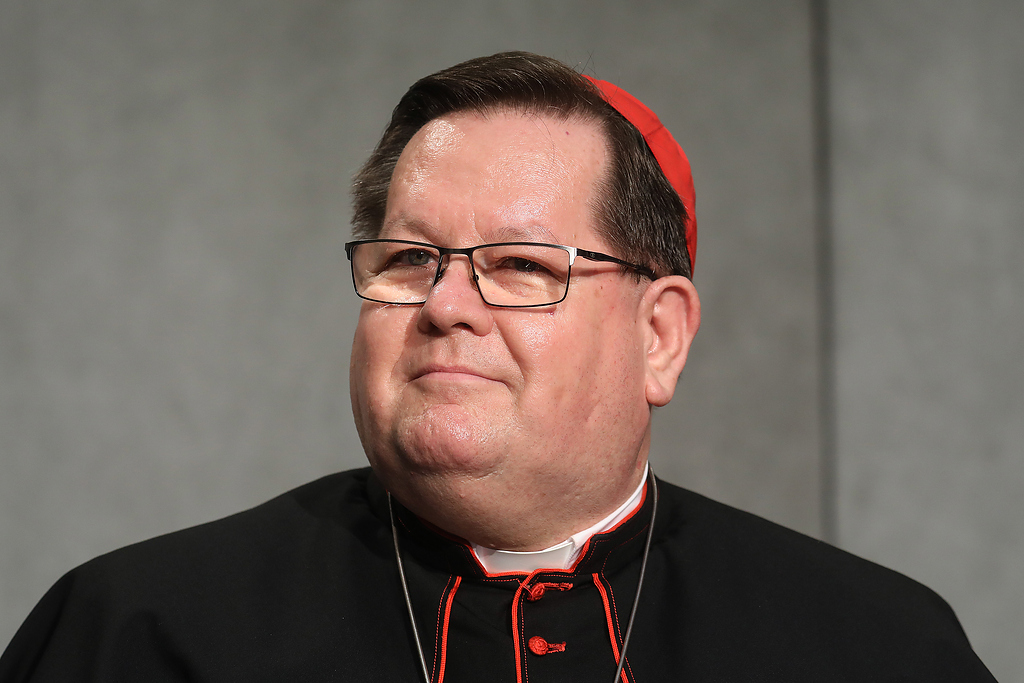
The Archbishop of Quebec, Cardinal Lacroix is a champion of missionary outreach in secular societies. He’s known for his pastoral clarity, warmth, and ability to connect with laypeople.
Recently cleared in a high-profile misconduct allegation, Lacroix serves on Pope Francis’ Council of Cardinals, underscoring his influence in the Vatican’s inner circle.
6. Cardinal Fridolin Ambongo (DR Congo, 65)
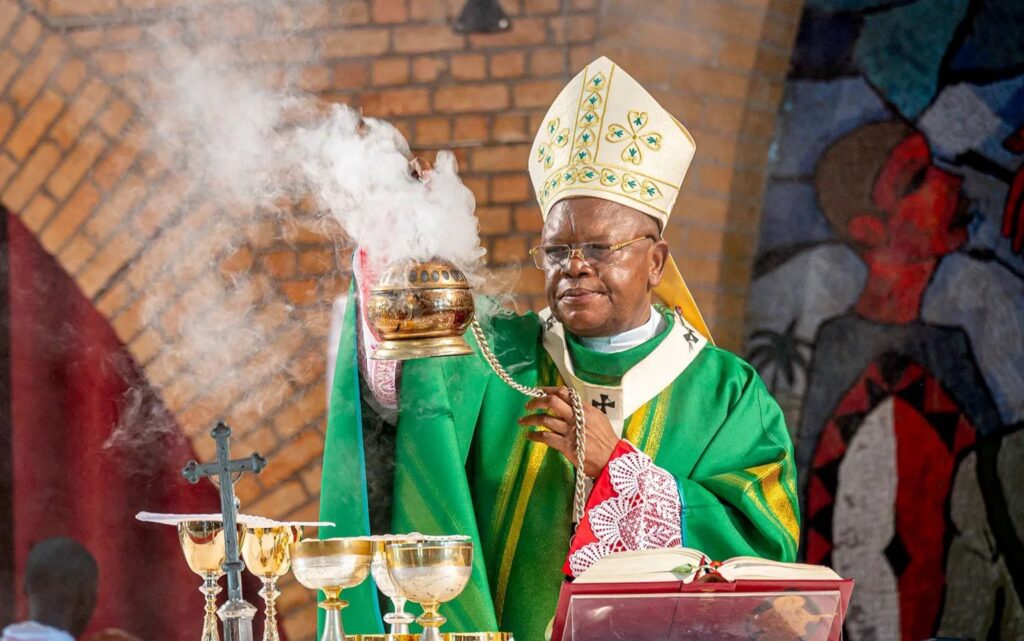
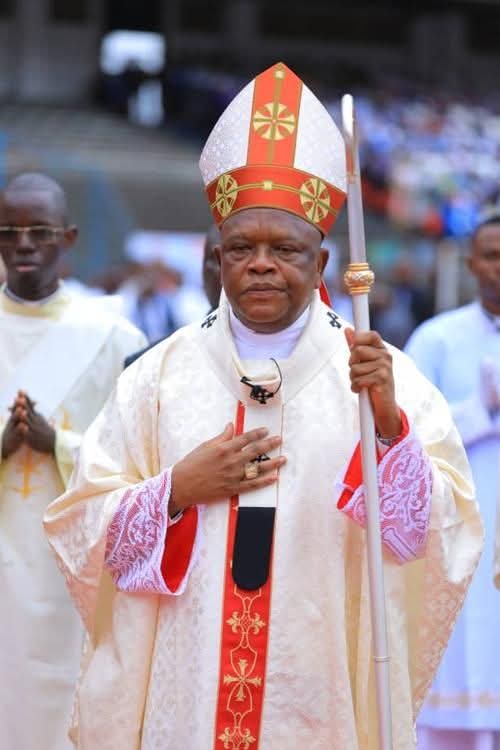
As Archbishop of Kinshasa, Cardinal Ambongo shepherds one of the largest Catholic populations in Africa—over 7 million. He’s an outspoken advocate for peace, human rights, and environmental justice in a country torn by conflict.
His elevation would reflect the demographic future of the Church, though his traditional stance on LGBTQ+ issues may make him a more conservative choice.
7. Cardinal Joseph Tobin (USA, 72)
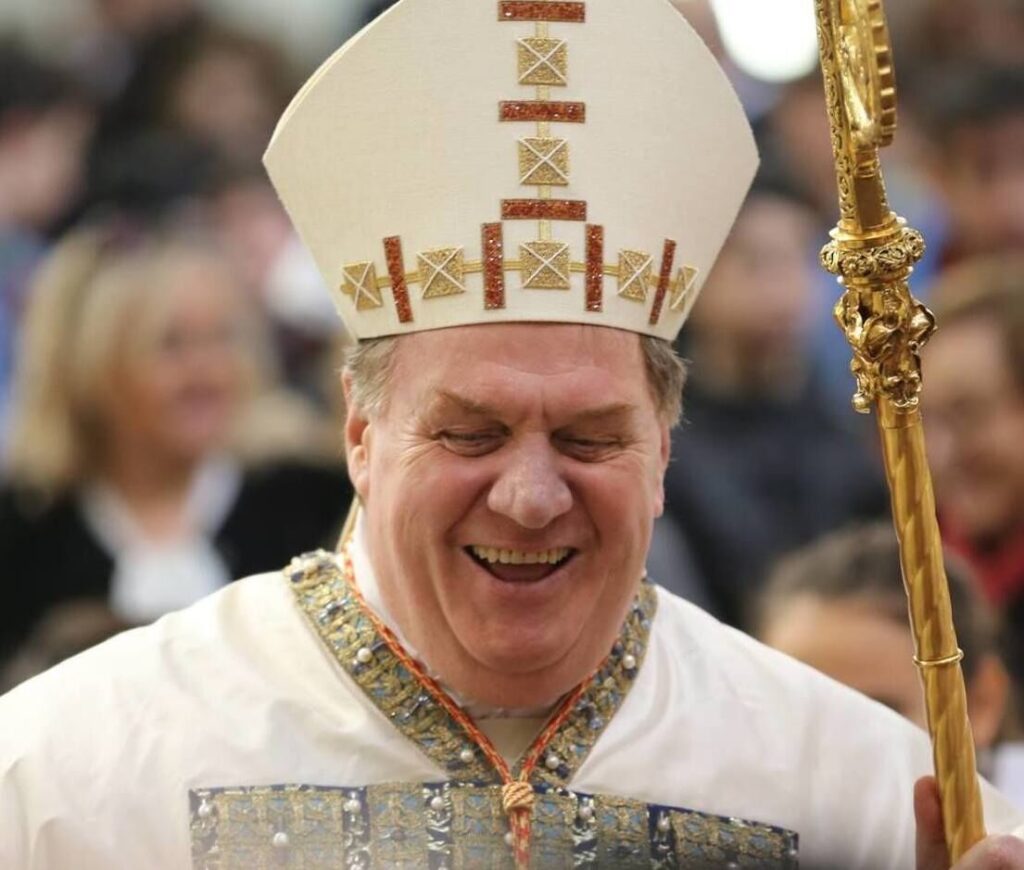
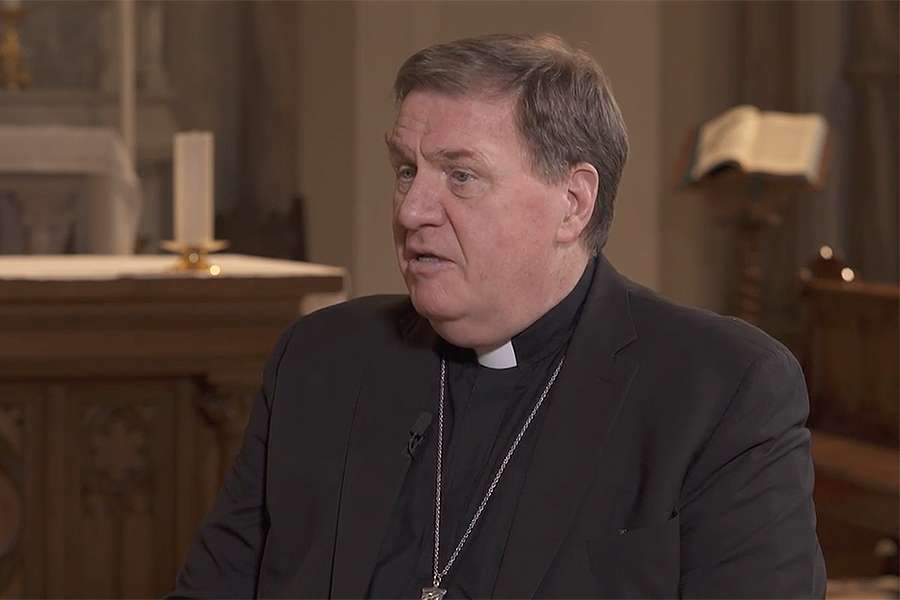
The Archbishop of Newark, Cardinal Tobin has become a leading voice on migrant rights, inclusion, and mercy. Fluent in four languages and deeply pastoral, he combines Roman Curia experience with hands-on leadership in the U.S.
He is known for a warm personality and openness, but his relatively high age may raise questions about the longevity of his potential papacy.
8. Cardinal Robert Prevost (USA/Peru, 69)
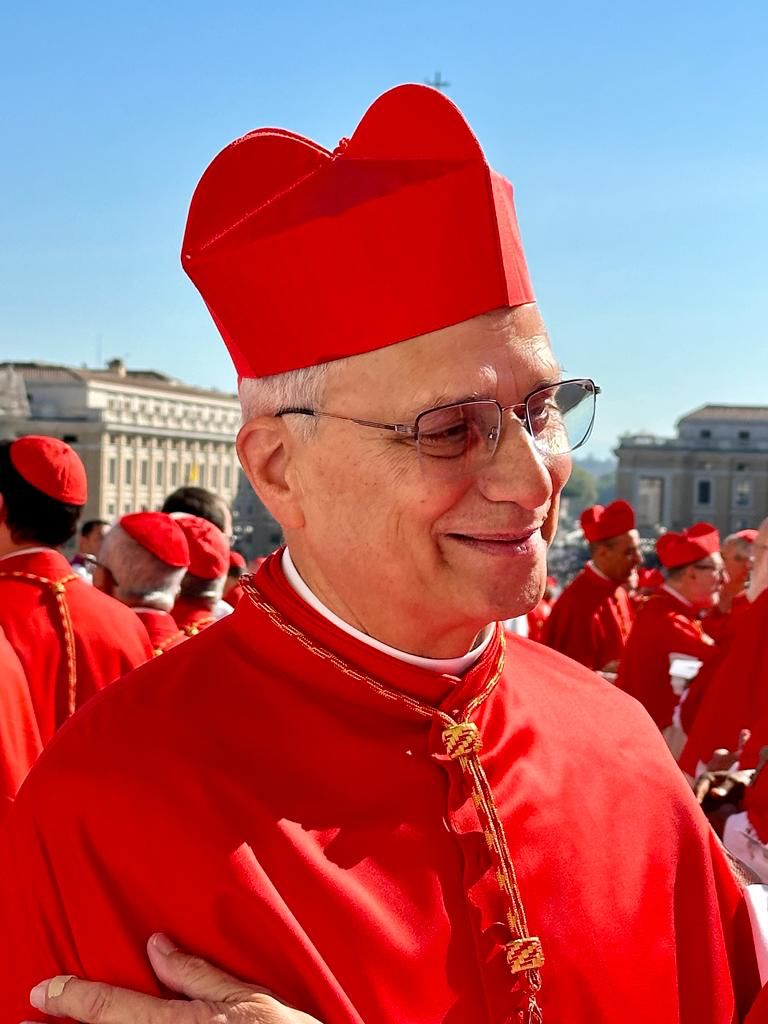
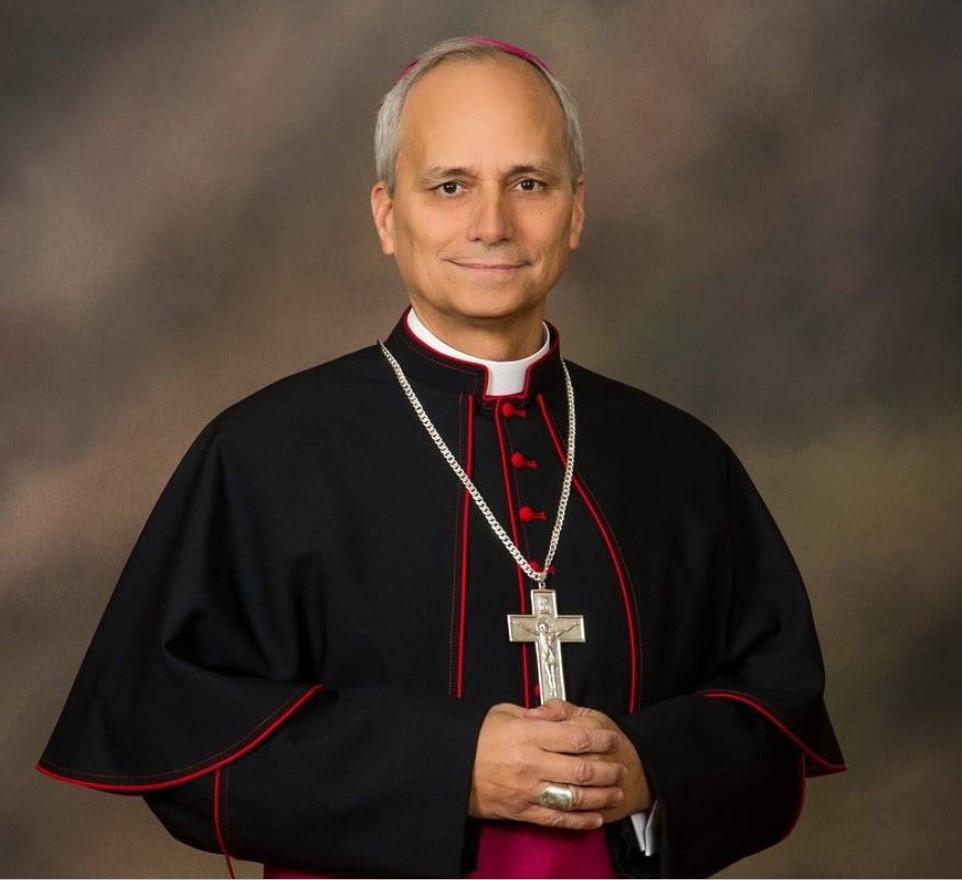
Cardinal Prevost currently heads the Dicastery for Bishops, overseeing global bishop appointments—a sign of deep papal trust. Originally from Chicago but with decades of experience in Peru, he represents a blend of American and Latin American perspectives. A former missionary and Augustinian, he brings humility, global awareness, and Curia savvy to the role.
ALSO READ: Trump’s Africa Exit: 6 U.S. Embassies to Shut in Africa
9. Cardinal Tarcisius Isao Kikuchi (Japan, 66)
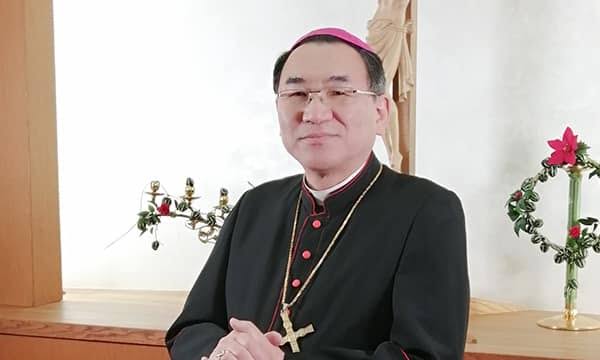
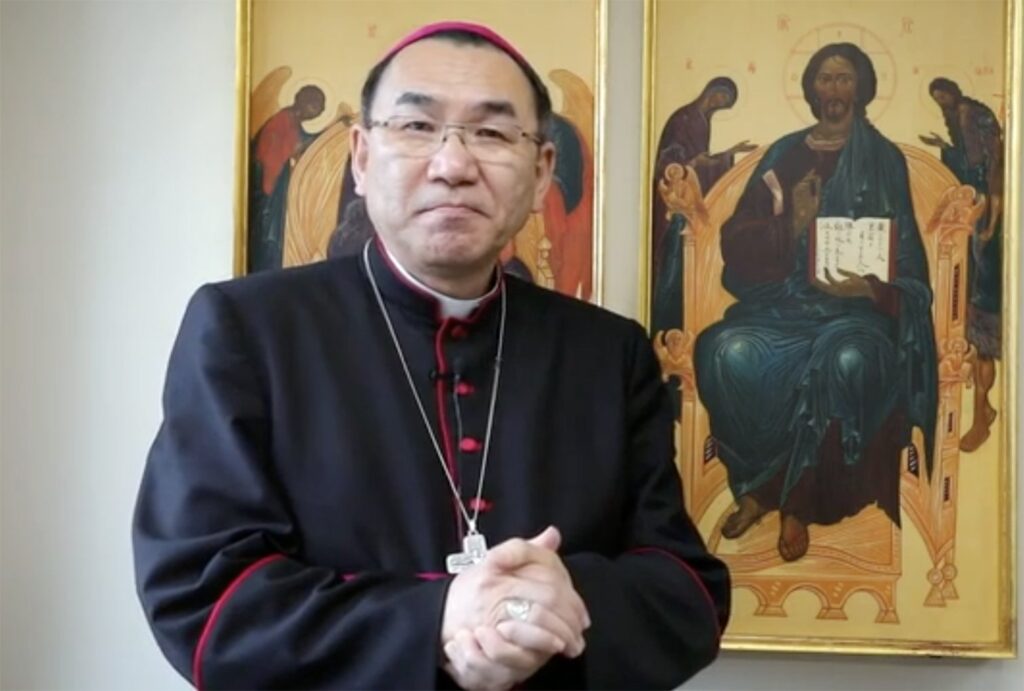
The Archbishop of Tokyo and current head of Caritas Internationalis, Cardinal Kikuchi stands out for his cross-cultural experience and moral clarity. He participated in refugee relief in Rwanda and has been a strong voice for peace, particularly against nuclear weapons. Fluent in interreligious dialogue, especially with Muslim communities, he brings Asian and African insight to the heart of the Church.
10. Cardinal Michael Czerny (Canada, 78)
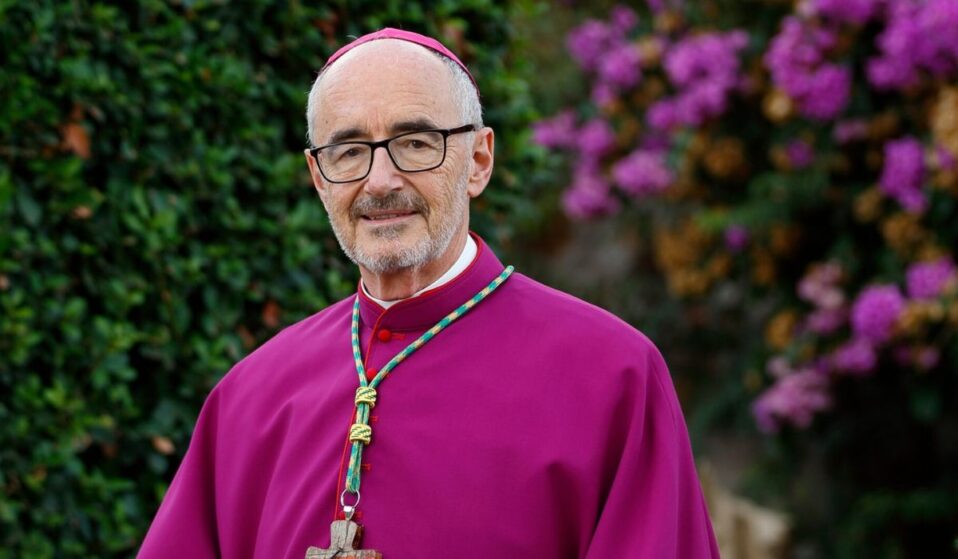
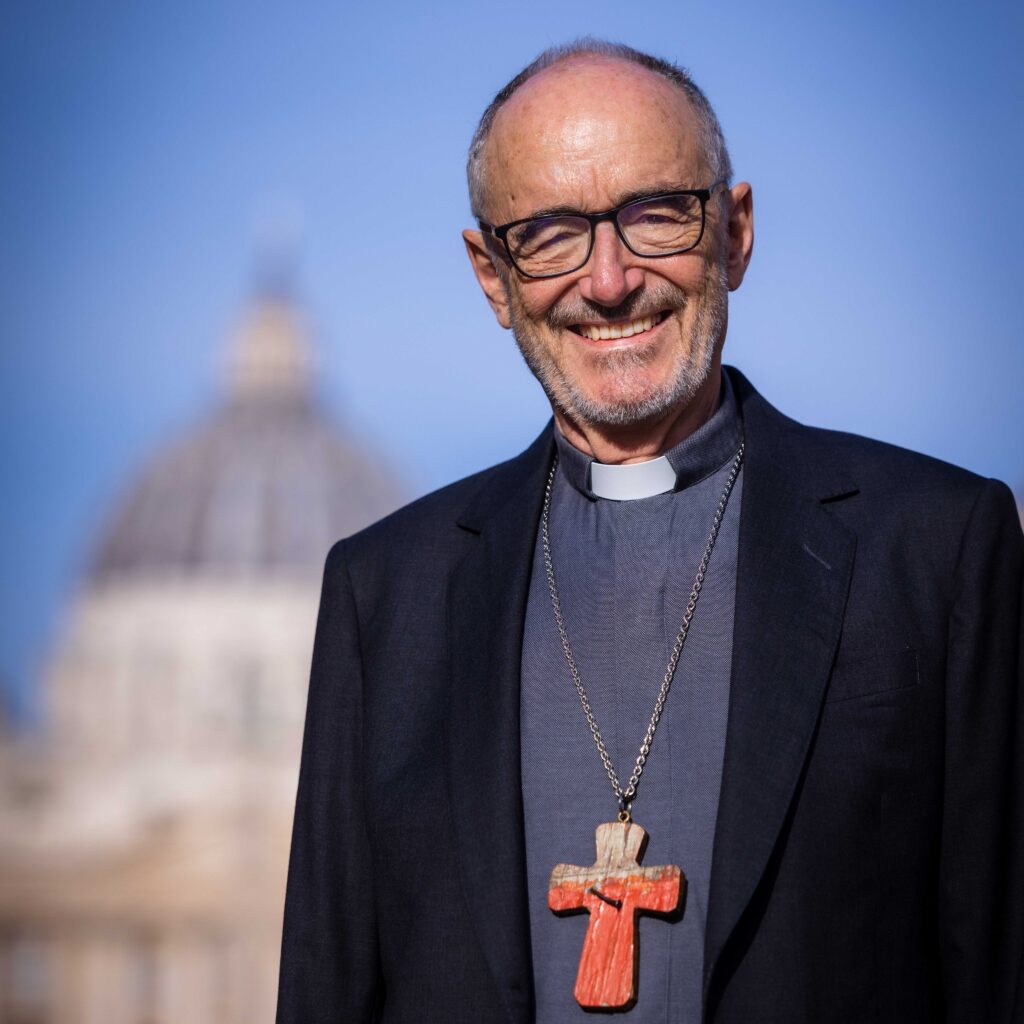
Though his age may be a limiting factor, Cardinal Czerny is a Jesuit like Pope Francis and shares his heart for the marginalized. Born in Czechoslovakia and raised in Canada, he has served in Latin America and Africa.
His advocacy for migrants and his leadership on environmental and social justice causes make him a prophetic figure—even if he’s less likely to be elected due to age.
11. Cardinal Cristóbal López Romero (Spain/Morocco, 72)
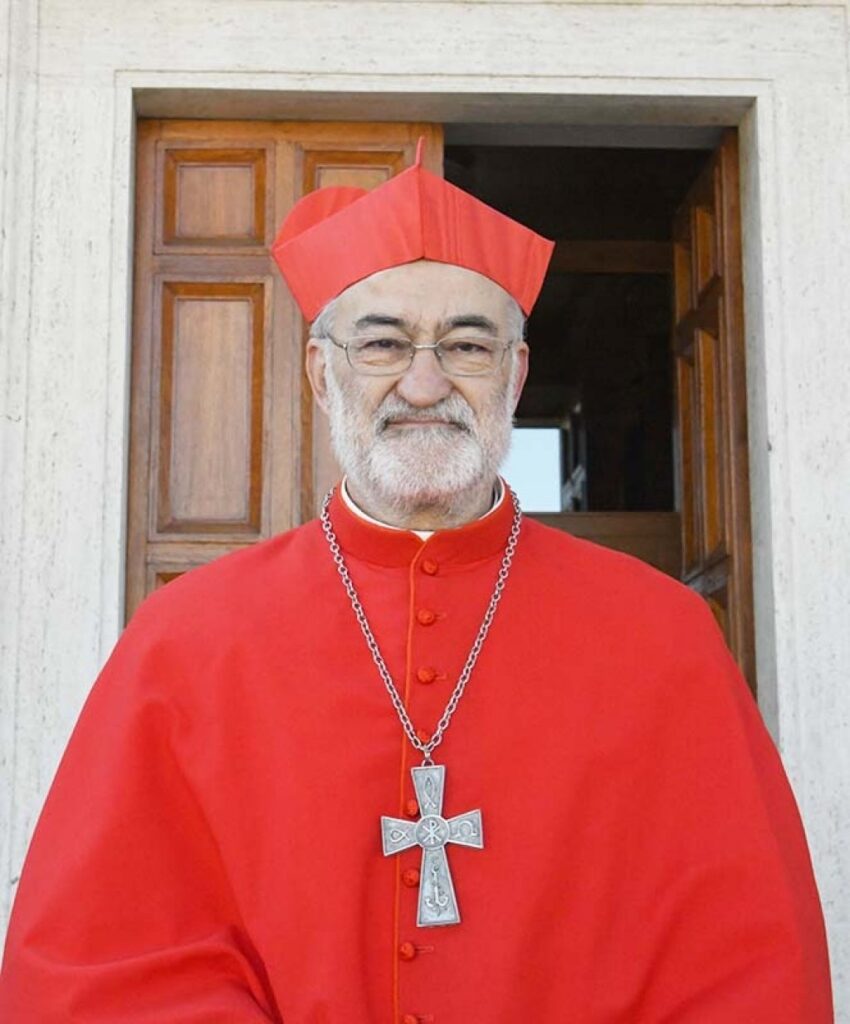
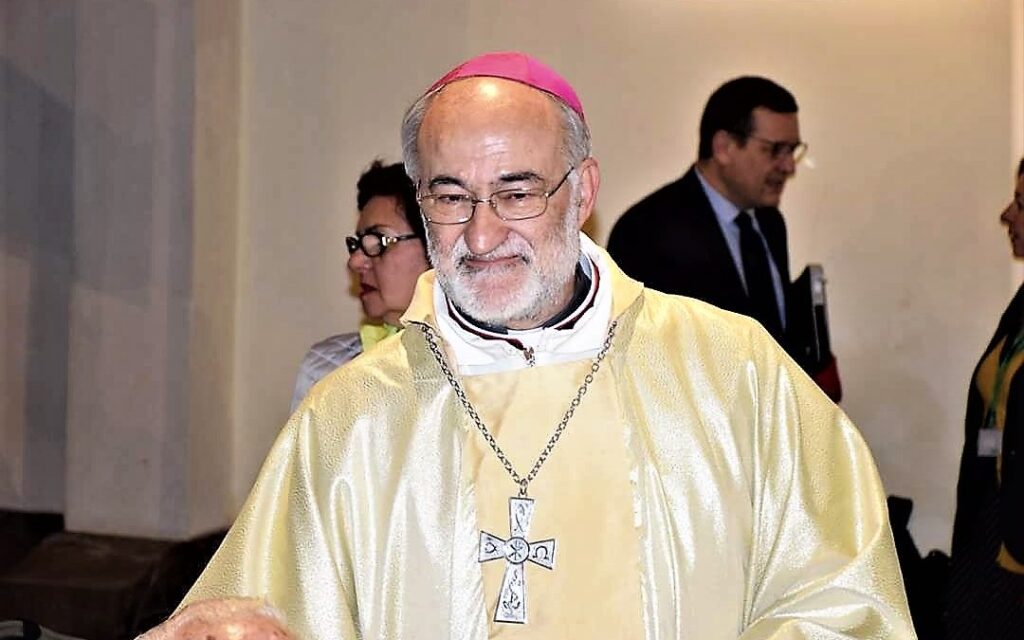
Serving as the Archbishop of Rabat, Cardinal López Romero is a model of interfaith harmony. His work with Muslim communities in North Africa and emphasis on synodality reflect the Church’s universal call to dialogue.
With pastoral roots in Latin America and a mission heart for the marginalized, he could represent a truly global pontificate.
12. Cardinal Jean-Claude Hollerich (Luxembourg, 66)
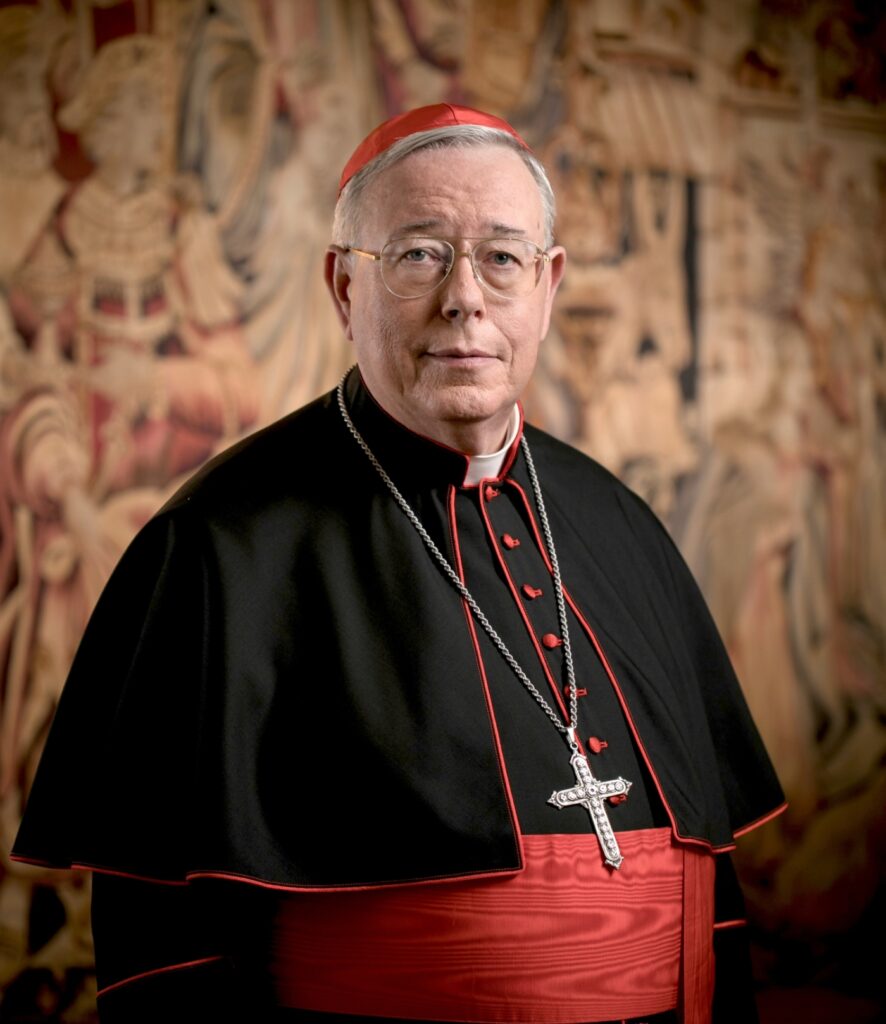
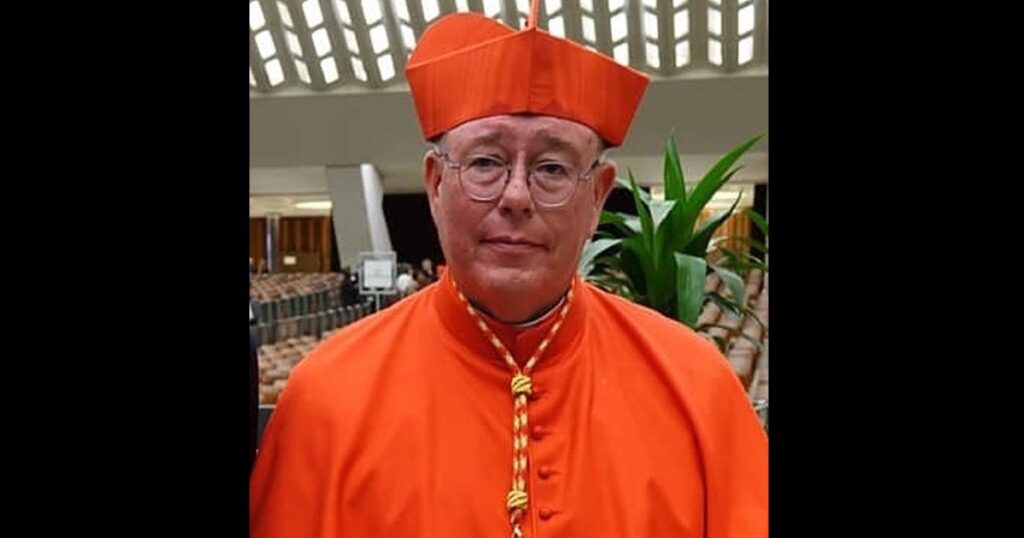
A Jesuit and one of Pope Francis’ most trusted collaborators, Cardinal Hollerich is the General Rapporteur for the global synodal process. He has lived in Japan and Europe, giving him cross-cultural depth.
He supports a more inclusive Church and is seen as a leading intellectual force behind Vatican reform. His vision aligns closely with Pope Francis’ legacy of dialogue, listening, and change.
13. Cardinal Peter Kodwo Appiah Turkson (Ghana, 76)
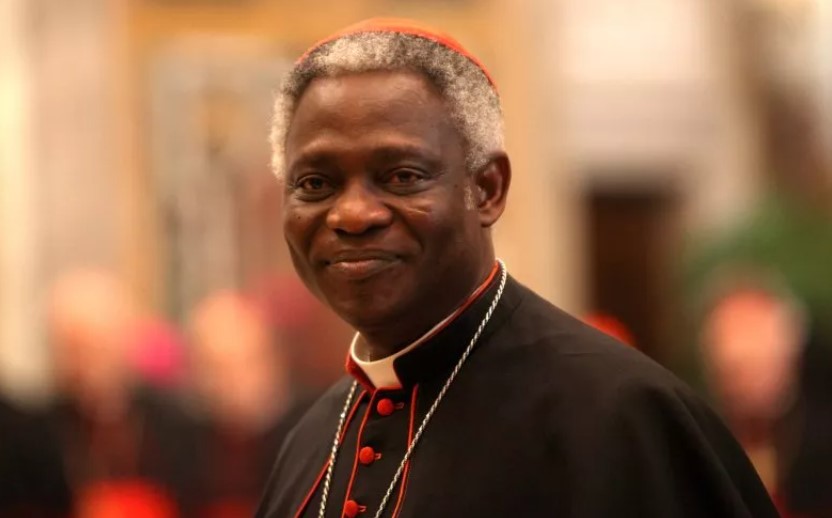
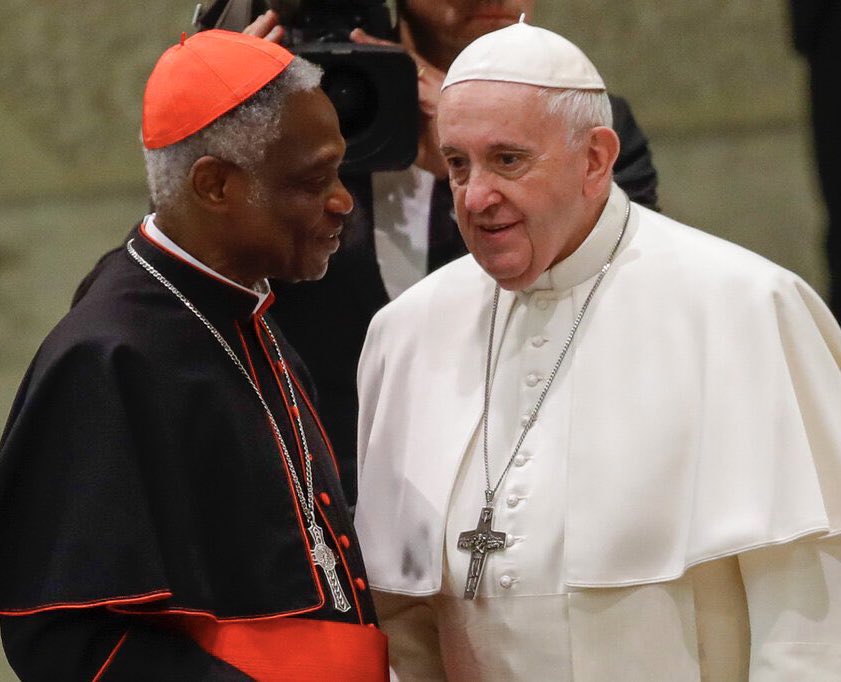
He is one of the most distinguished African voices in the Catholic Church and a respected contender for the papacy. Born in 1948, he became Ghana’s first cardinal in 2003 and has since been a leading advocate for social justice, economic ethics, and interfaith dialogue.
With a strong academic background in theology and scripture, Turkson served as Archbishop of Cape Coast and held influential Vatican roles, including President of the Pontifical Council for Justice and Peace and Prefect of the Dicastery for Promoting Integral Human Development.
Currently Chancellor of the Pontifical Academies of Sciences and Social Sciences, he brings a global outlook rooted in African realities and a deep commitment to integral human development—qualities that resonate strongly with Pope Francis’ vision for a compassionate and inclusive Church.
14. Cardinal Robert Sarah (Guinea, 79)
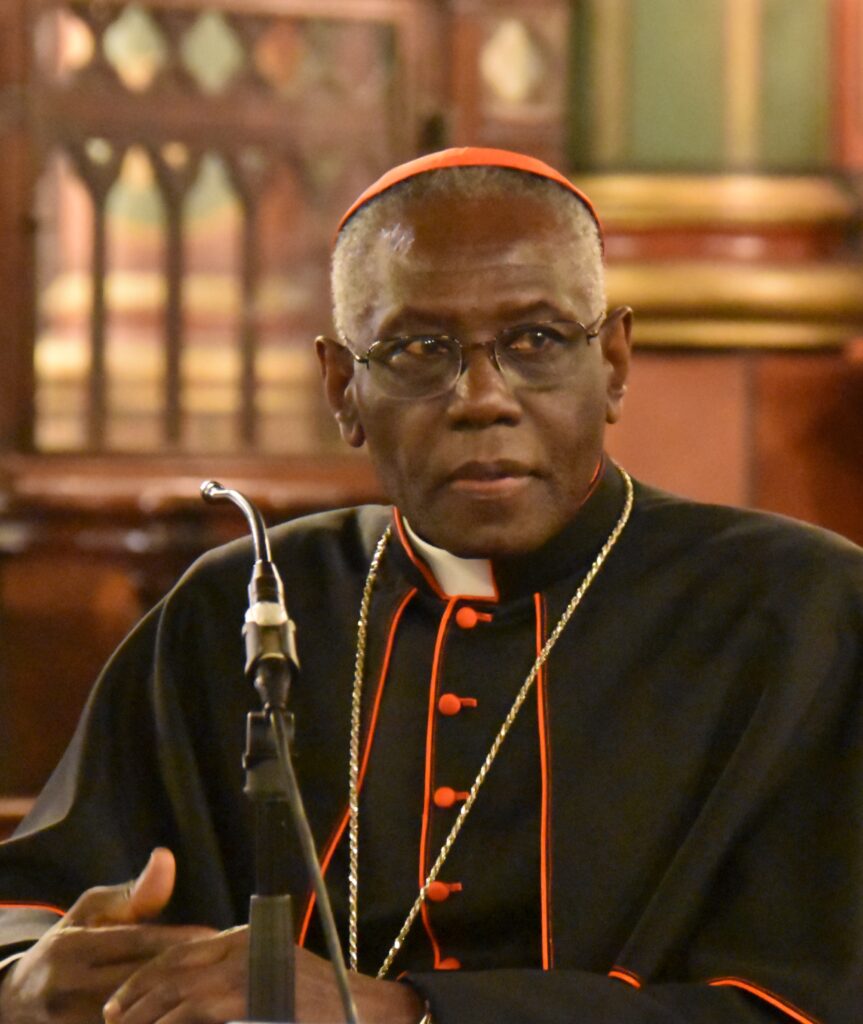
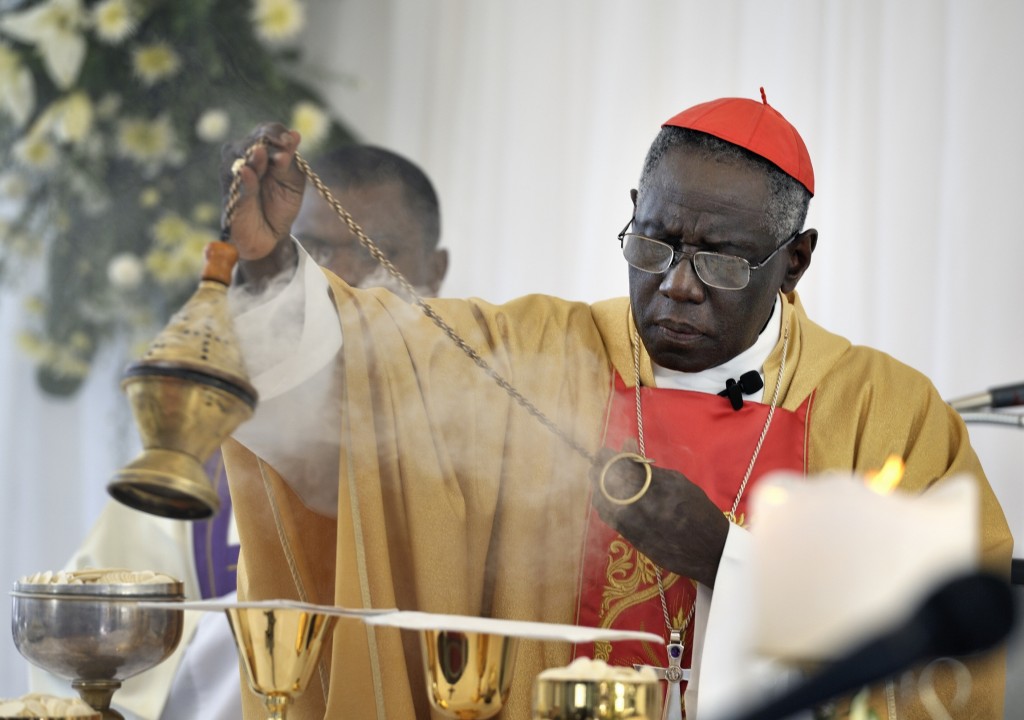
He is one of the most prominent conservative voices in the Catholic Church and a leading papal contender. Born in 1945 and ordained a priest in 1969, he became the world’s youngest bishop at age 34 when appointed Archbishop of Conakry.
Over decades of Vatican service—including as Prefect of the Congregation for Divine Worship—he championed traditional liturgy and moral teachings. Created cardinal by Pope Benedict XVI, Sarah is deeply respected for his theological clarity, spiritual depth, and defense of orthodoxy.
Though often seen as ideologically distinct from Pope Francis, his global experience, African perspective, and enduring influence make him a compelling figure in the 2025 conclave.
Conclusion: A Conclave of Surprises
This upcoming conclave reflects a Church in transition—one that’s more global, more diverse, and more mission-focused than ever before. Will the next pope be African? Asian? Latin American? Or will the cardinals opt for a diplomatic European figure who can consolidate Francis’ reforms?
Whatever the outcome, one thing is clear: this will be one of the most consequential papal elections in modern history.