


The New Security Patron
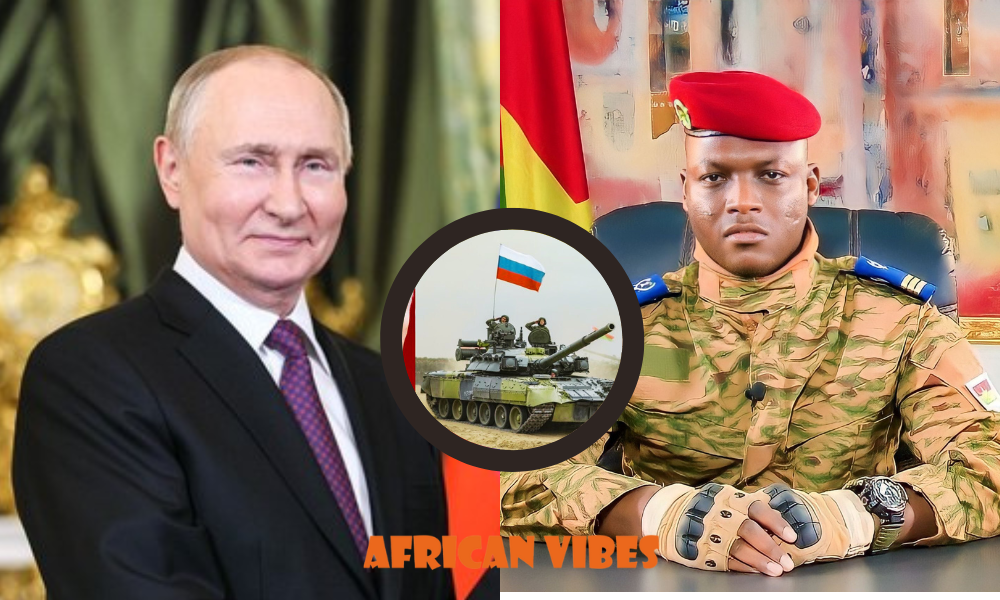
In the heart of West Africa, a new alliance is reshaping the geopolitical order. Burkina Faso, once a steadfast partner of France and other Western nations, has turned to a powerful alternative: Russia.
Since ascending to power in a 2022 coup, Captain Ibrahim Traoré has made a clean break with traditional Western allies. French troops were ousted in early 2023. ECOWAS was left behind. In their place, President Vladimir Putin has stepped in—not just with words, but with boots on the ground.
This growing relationship marks more than just a military exchange. It reflects a strategic bargain: security and regime protection for loyalty and access. At its core lies a potent question: Is Burkina Faso trading one form of foreign control for another?
???? From France to Russia: The Shift in Allegiances
The rupture began with frustration. Years of French-led military interventions in the Sahel had yielded little lasting security. Armed insurgent groups remained active across northern and eastern Burkina Faso, while public discontent swelled.
By early 2023, Traoré made a bold move: he demanded the withdrawal of French forces, echoing similar actions by military regimes in Mali and Niger. This pivot wasn’t just reactionary—it was part of a broader Sahelian realignment, driven by nationalism, anti-imperial sentiment, and a desire for alternatives.
Enter Russia. Unlike Western partners, Russia offered unconditional military support, unencumbered by demands for democratic reforms or human rights scrutiny. Traoré seized the opportunity, aligning himself with Moscow and joining the Alliance of Sahel States, an emerging bloc that rejects Western oversight and embraces regional self-determination.
???? Russia’s Offer: Military Support, Regime Protection, and Influence
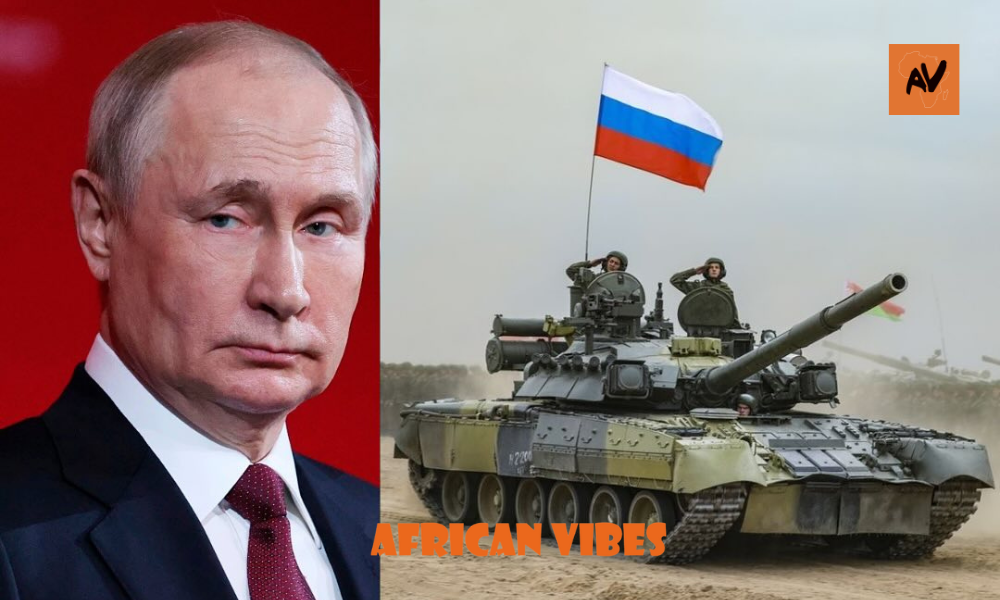
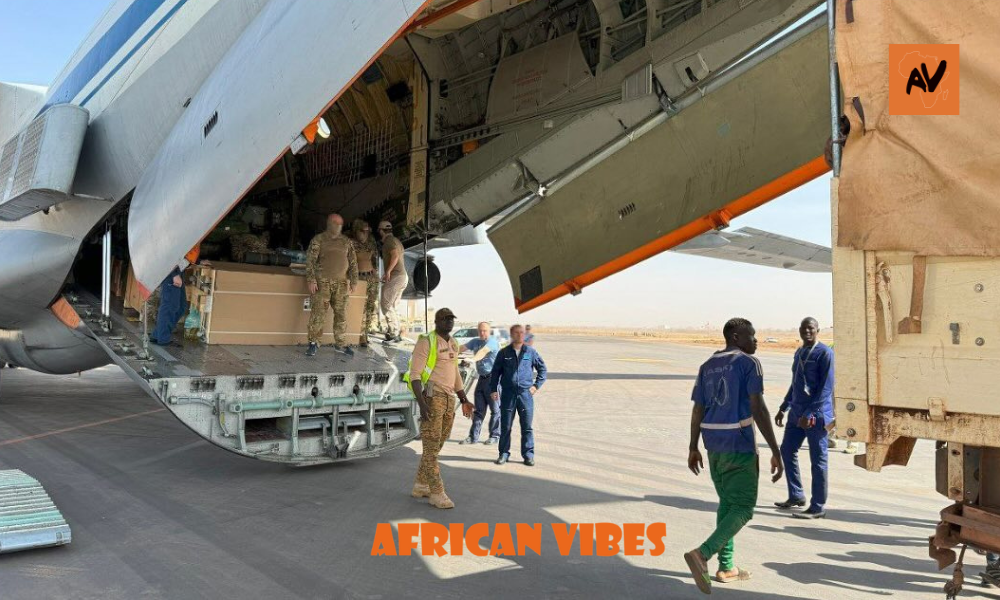
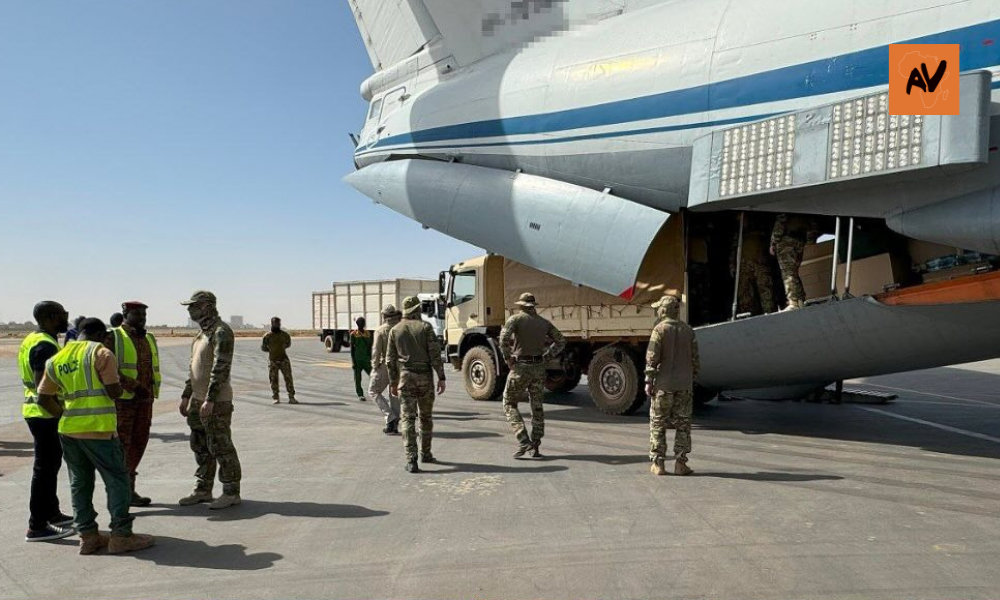
Within months, the Russian footprint in Burkina Faso grew. Reports confirmed the arrival of over 100 Russian military advisors in 2024, followed by training missions, equipment deliveries, and surveillance support. These troops operate under the umbrella of Russia’s Defense Ministry, though some analysts suggest the involvement of Wagner-affiliated operatives using rebranded identities.
Russia’s contributions include:
- Protection of key political figures, including Traoré himself.
- Counterinsurgency training for Burkina Faso’s elite forces.
- Support for a joint Sahel force, a 5,000-strong initiative combining Burkina Faso, Mali, and Niger’s militaries.
This model—securing regimes in exchange for loyalty—echoes Russia’s tactics in Mali, the Central African Republic, and Sudan, where regime survival often hinges on Kremlin backing.
ALSO READ: From Mines to Minds – How Botswana Turned Diamond Wealth into Human Capital
???? Traoré’s Gains: Regime Stability and Narrative Control
For Ibrahim Traoré, the alliance with Russia offers more than military muscle—it delivers political capital. With Russian support:
- His personal security is fortified, reducing the risk of internal coups.
- State media narratives champion anti-Western rhetoric and frame Russia as a liberator.
- Protests and civil unrest are managed more forcefully, often under the guise of “national security.”
Additionally, the rejection of French neocolonialism plays well with young, urban populations who see Russia as an ally in their fight for dignity and sovereignty. The Kremlin’s messaging apparatus reinforces this, positioning Putin as a global partner for African self-determination.
ALSO READ: Traoré, AFRICOM, and Africa’s Fight for Resource Sovereignty
???? Putin’s Playbook: Strategic Access in the Sahel
This isn’t charity. Vladimir Putin’s Africa doctrine views partnerships like the one with Burkina Faso as investments in influence, resources, and symbolic power. In a post-Ukraine war context, Africa offers:
- Geopolitical leverage against the West.
- Natural resource opportunities, especially gold and uranium.
- A chance to present Russia as a viable global power, free from Western hegemony.
Burkina Faso’s central position in the Sahel also grants Russia a logistical foothold to expand influence across West Africa—a region once dominated by France, now increasingly in play.
???? Risks and Unknowns
While the relationship appears mutually beneficial, significant risks loom:
- Economic uncertainty: With Russia under sanctions and stretched thin militarily, long-term support may falter.
- Human rights concerns: Previous Russian operations in Africa—especially involving Wagner—have been linked to abuses and war crimes.
- Dependency dilemma: Burkina Faso may find itself reliant on an unpredictable partner, with fewer options if the alliance sours.
Moreover, should Traoré’s popularity wane or resistance to Russian presence grow, the very security promised by the alliance could become its downfall.
⚫ Conclusion: Who Really Wins?
The Russia–Burkina Faso alliance exemplifies a broader trend of post-colonial power shifts in Africa. For Traoré, it’s a path to power consolidation and regional stature. For Putin, it’s another chess move in a global game of influence.
But the true cost of this relationship may only become clear in hindsight. As Traoré bets on Putin’s protection and Russia embeds itself deeper into the Sahel, the world watches—and wonders: is this a new era of sovereignty, or simply a new face of dependency?
❓FAQ
Why did Burkina Faso switch from France to Russia?
Traoré’s government lost faith in French counterterrorism and sought a more unconditional security partner.
Are Russian troops currently in Burkina Faso?
Yes. Russian advisors and trainers have been deployed since 2024 under a bilateral security agreement.
Is the Wagner Group involved?
Unconfirmed, but analysts suspect Wagner or affiliated entities operate in the country under rebranded structures.
What is the Alliance of Sahel States?
A security bloc formed by Burkina Faso, Mali, and Niger to coordinate counterterrorism and reduce Western influence.
What does Russia gain from this relationship?
Geopolitical leverage, access to minerals, and expanded military influence in West Africa.