


???? Africa’s Big EV Question: Where Will the Geothermal Power Come From?
As electric vehicles (EVs) begin to enter African roads, from solar-powered motorcycles in Kenya to electric buses in Lagos, one essential question remains:
Where will all this electricity come from—reliably and sustainably?
While solar and wind dominate much of the conversation, geothermal energy—a clean, constant, and largely untapped resource—may hold the key to fueling Africa’s electric future.
And no country is betting bigger on this than Kenya.
???? What Makes Geothermal a Game-Changer?
Geothermal energy taps into the earth’s internal heat, using underground steam and hot water to generate power. Unlike solar and wind, it doesn’t depend on weather—it’s available 24/7, making it a baseload power source ideal for electric vehicle charging infrastructure.
Key Advantages:
- ???? Constant power: Unlike solar/wind, it’s not intermittent
- ???? Zero emissions: Pure steam-based generation
- ???? Scalable: Supports industrial grids and rural microgrids alike
- ???? Localized: Most geothermal zones sit within tectonic plate boundaries—which East Africa has in abundance
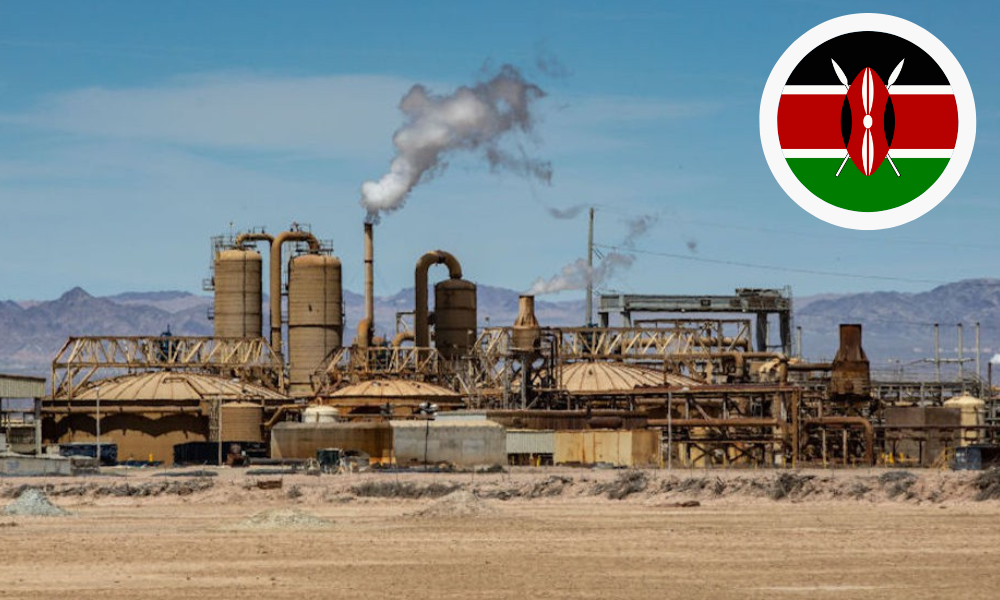
???????? Kenya: Africa’s Geothermal Pioneer
Kenya currently generates over 860 MW of electricity from geothermal—nearly 50% of its total power mix, and growing.
Why Kenya Leads:
- Home to the Great Rift Valley, a geothermal hotspot stretching from Ethiopia to Mozambique
- Government investment via KenGen and GDC (Geothermal Development Company)
- Strong energy policy frameworks and public-private partnerships
- Ongoing expansion plans, including Menengai, Olkaria, and Baringo-Silali fields
Kenya is already using geothermal to power national grids, support green industrial parks, and now, fuel the growing fleet of electric vehicles.
ALSO READ: Inside Kenya’s Solar-Powered Motorcycle Boom
⚡ Why Geothermal + EVs Makes Sense for Africa
Africa’s EV future isn’t just about fancy cars—it’s about mobility for the masses:
- Two- and three-wheelers (boda bodas)
- Minibuses (matatus)
- Urban delivery fleets
- Inter-city buses and logistics hubs
Geothermal can anchor regional charging infrastructure that:
- Is off-grid capable
- Supports fast charging without straining national supply
- Enables stable pricing (unlike diesel and petrol fluctuations)
Plus, because geothermal power is localized, it allows African countries to reduce import dependency and build resilience into their energy + transport systems.
???? Beyond Kenya: Who Else Can Tap In?
???? Potential Geothermal Hotspots:
- Ethiopia – Has untapped capacity in the Rift Valley; now piloting geothermal-EV integration
- Djibouti – Partnering with Kenya and Iceland to harness high-temperature steam fields
- Tanzania & Uganda – Conducting early-stage mapping of geothermal sites
- Zambia & Malawi – Exploring hybrid solar-geothermal systems for rural electrification
As battery technology improves and EV costs drop, geothermal-backed grids could serve as anchor power for smart charging hubs across East Africa and beyond.
???? Challenges to Address
Even with its promise, geothermal expansion faces obstacles:
- High upfront exploration costs
- Long development timelines (5–7 years from drilling to generation)
- Regulatory complexity in cross-border grid projects
- Lack of public awareness about geothermal’s link to clean transport
Still, with support from the African Union, AfDB, and Green Climate Fund, progress is underway.
???? Expert Insight
“We talk a lot about solar and wind, but geothermal is the backbone that can stabilize Africa’s clean energy transition—and that includes EVs.”
— Dr. Rose Mburu, Energy Economist, African Energy Association
❓ Frequently Asked Questions
What is geothermal energy?
It’s electricity generated from underground heat sources, like steam and hot water reservoirs beneath the Earth’s surface.
Can geothermal power electric vehicles?
Yes. Geothermal can feed national or microgrids that power EV charging stations—especially in high-demand urban corridors.
Is geothermal better than solar or wind for EVs?
Not better, but more stable. It’s a baseload source—available day and night, complementing intermittent sources like solar/wind.
Which African countries are best suited for geothermal EV integration?
Kenya leads, followed by Ethiopia, Djibouti, Tanzania, and Rwanda—all within the East African Rift System.
Is it affordable to scale?
Upfront costs are high, but long-term returns and sustainability benefits make it a sound investment—especially with donor funding.