


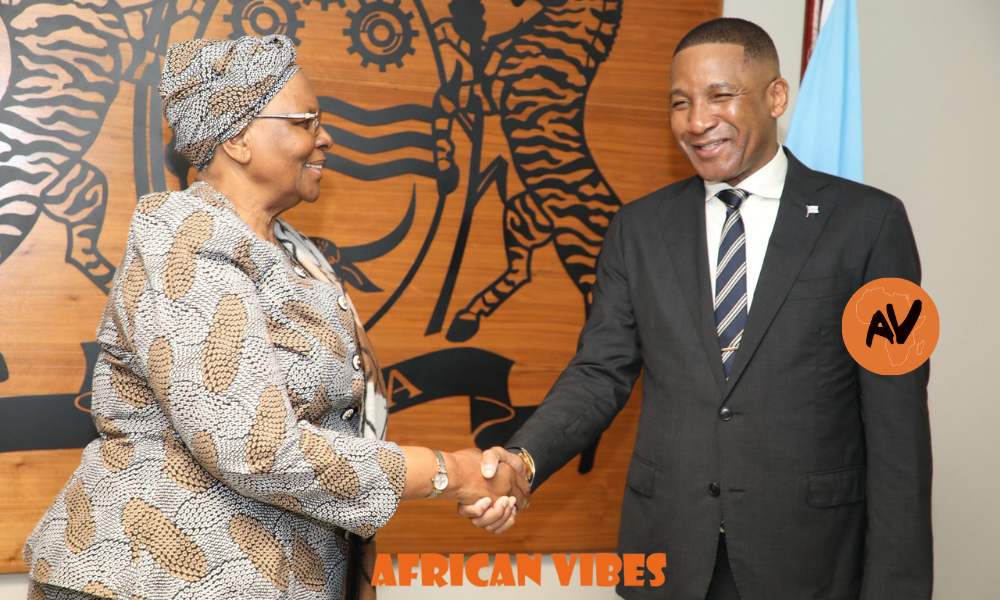
In a strategic move to reduce dependency on imported fuel and strengthen regional energy security, Namibia and Botswana have unveiled plans to jointly develop a large-scale oil refinery. The proposed facility will process crude oil sourced from Namibia’s offshore reserves, setting the stage for a new era of energy cooperation in Southern Africa.
Why Namibia and Botswana Are Investing in Oil Refining
The decision marks a major economic milestone for two nations seeking to diversify their historically resource-dependent economies. Namibia, buoyed by significant oil discoveries in the Orange Basin by energy giants TotalEnergies and Shell, is poised to emerge as an upstream oil producer. Botswana, although lacking proven reserves, is eager to capitalize on its neighbor’s resources to shift away from its heavy reliance on diamond exports.
For both countries, importing refined petroleum products has long been a costly necessity. The new refinery is expected to curb this trend by producing fuel domestically, while also supporting broader industrial and energy transition goals.
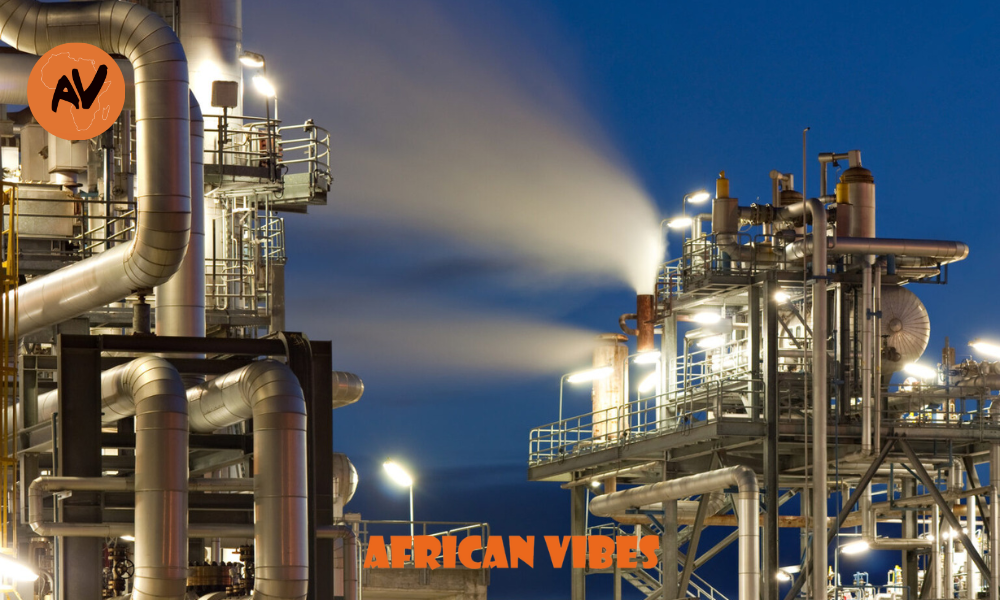
Inside the Namibia-Botswana Oil Refinery Plan
While still in the early planning stages, the envisioned oil refinery is projected to process between 60,000 and 100,000 barrels of crude per day. It will produce a variety of refined products, including petrol, diesel, kerosene, and jet fuel, which are critical for domestic and regional markets.
Officials are currently evaluating multiple sites near the Namibia-Botswana border, with Walvis Bay and Ghanzi among the leading candidates. A feasibility study is underway, with preliminary findings expected by late 2025. If approved, construction could begin as early as 2026.
ALSO READ: Gazprom Oil Discovery in Burkina Faso (2025) – Fact Check & Context
Economic Benefits of the Joint Oil Refinery
The refinery is expected to deliver a wide array of economic benefits:
- Reduced fuel import costs, enhancing national trade balances.
- Job creation during both the construction and operational phases, with thousands of direct and indirect opportunities.
- Support for local industries, including logistics, plastics, and petrochemicals.
- Export potential to neighboring Southern African Development Community (SADC) countries.
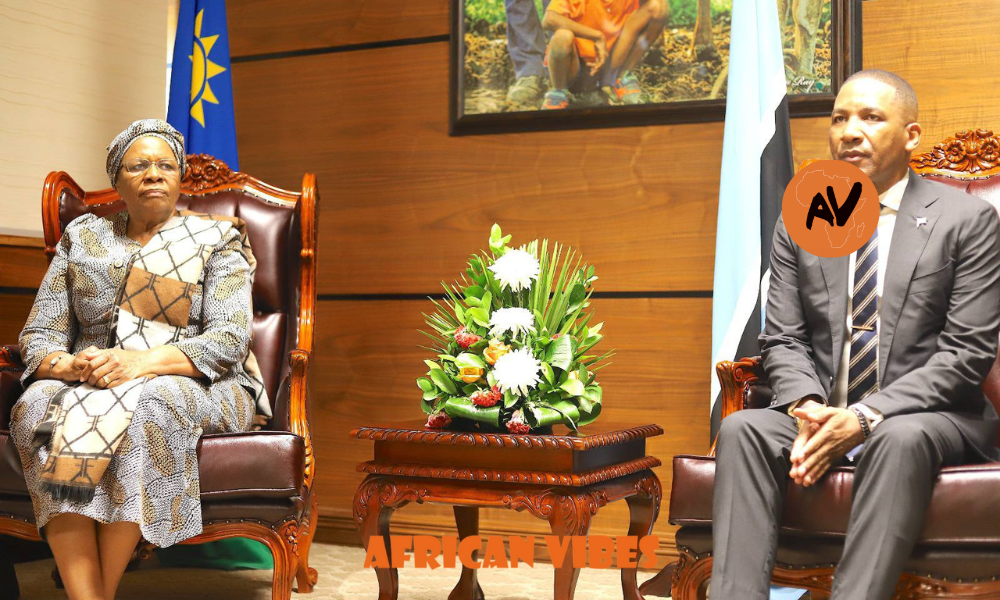
Botswana’s President Duma Boko emphasized the project’s developmental promise, calling it “a cornerstone of regional self-reliance and sustainable industrialization.”
Boosting Cross-Border Infrastructure
The refinery is envisioned as a linchpin in broader efforts to improve regional connectivity and trade infrastructure. It aligns with plans to:
- Complete the Trans-Kalahari railway, linking Botswana to Namibia’s coast.
- Expand throughput at the Port of Walvis Bay, a critical logistics hub.
- Facilitate intra-SADC trade, reducing transport bottlenecks and fuel scarcity.
Namibia’s President Netumbo Nandi-Ndaitwah highlighted the project’s role in “deepening economic integration and unlocking the full potential of African resources for African people.”
ALSO READ: Niger Seals $400M Crude Oil Deal with China Amid Geopolitical Tensions
Sustainable Refining with Modern Technology
Environmental sustainability remains central to the project’s design. Both governments have pledged to incorporate low-emission refining technologies and to adhere to international environmental standards. Comprehensive community consultations and impact assessments will be conducted to ensure minimal disruption to local ecosystems and populations.
The project also aligns with global and continental climate commitments, including those under the African Union Agenda 2063 and the Paris Agreement.
Funding the Energy Future
The refinery will be financed through a hybrid model, combining:
- Public-private partnerships,
- Bilateral investment agreements, and
- Multilateral support from institutions such as the African Development Bank (AfDB) and the Development Bank of Southern Africa (DBSA).
Energy analysts note that this model could unlock greater regional capital and help de-risk large-scale infrastructure ventures across the continent.
What’s Next for Namibia and Botswana’s Energy Partnership?
With feasibility studies underway and stakeholder engagement in progress, the next milestone will be finalizing technical designs and investment frameworks. The governments expect to present project proposals to investors by the end of 2025, with construction targeted for 2026.
This collaboration is more than just an oil project—it represents a blueprint for regional self-sufficiency, value addition, and economic transformation. As Namibia and Botswana lead the way, the rest of Southern Africa will be watching closely.