


Rumors of a Massive Find in 2025
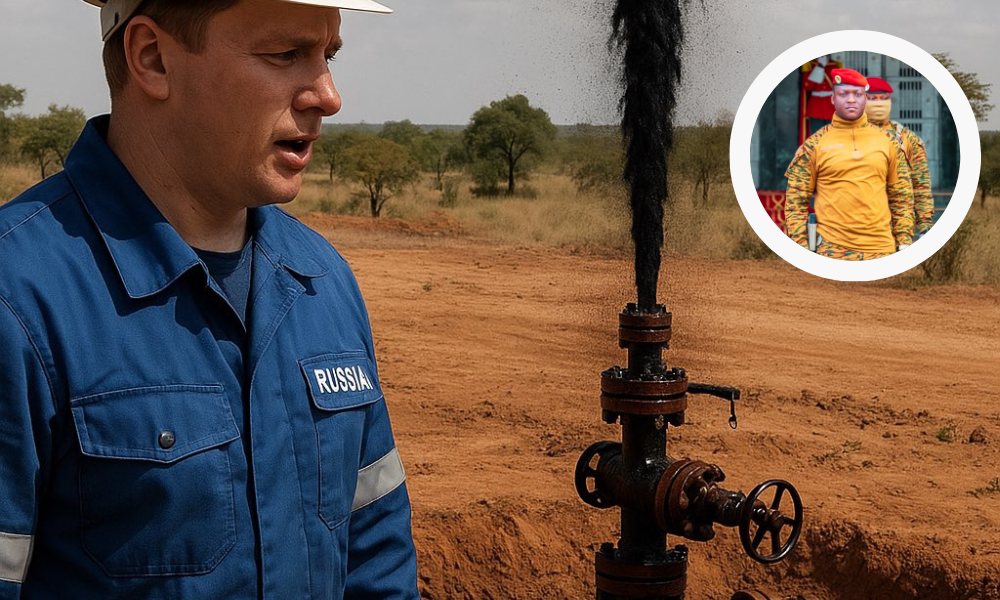
In early 2025, social media rumors began circulating that Russia’s energy giant Gazprom had discovered a huge oil reserve in Burkina Faso. Posts claimed an estimated 50 billion barrels of crude oil had been found “in the heart of Burkina Faso,” making it one of the largest oil discoveries in recent history.
Such a staggering figure (50 billion barrels) would rival the proven reserves of Africa’s top oil nations – for perspective, OPEC member Libya has on the order of 48–50 billion barrels of proven reserves (the largest in Africa).
If true, this find would dramatically transform Burkina Faso’s economy and geopolitical standing, turning a country with no prior oil production into a major oil-rich state overnight. The strategic significance could be enormous: Burkina Faso is a landlocked Sahel nation currently known for gold mining and reliant on imported fuel, so a giant oil discovery would attract intense international interest and require new infrastructure (such as pipelines through coastal neighbors) to bring the oil to market.
ALSO READ: Burkina Faso Launches State Of The Art Tomato Processing Plant
Lack of Official Confirmation
Despite the viral claims, no official statement from Gazprom or the Burkina Faso government has confirmed any oil discovery. Credible news agencies and industry observers have not reported such a find as of mid-2025.
Reuters, for example, investigated the January 2024 iteration of this claim and “found no credible evidence that Burkina Faso discovered oil”, noting that Burkina Faso does not produce oil according to the U.S. Department of Commerce.
Likewise, fact-checkers at Full Fact and AFP debunked a video that was falsely captioned as showing Burkinabe oil when it actually showed a U.S. sewage leak. Multiple fact-check reports have labeled the 50 billion barrel discovery story false, emphasizing that no announcement has been made by any official source.
In short, authorities have not confirmed any oil find, and the absence of coverage by reliable media strongly indicates the claim is unfounded.
Moreover, a discovery of this magnitude would be impossible to keep secret – it would trigger regulatory disclosures, press releases, and global news coverage. Gazprom (a publicly traded state enterprise) routinely announces major resource finds, yet Gazprom’s news releases in 2025 show no record of activities or discoveries in Burkina Faso.
Burkina Faso’s own leaders have made no mention of an oil bonanza in public speeches or policy plans; for instance, in April 2025 the Burkinabè Prime Minister spoke about nationalizing mines and boosting gold revenues, with no reference to oil. This silence from official channels underscores that the rumored oil strike lacks any confirmed basis in fact.
Burkina Faso’s Actual Oil Prospects
All available data indicate that Burkina Faso has no known petroleum reserves and has never discovered oil in significant quantities. According to energy statistics, “All petroleum products are imported and the country has no known oil reserves or refining capacity.”
In other words, Burkina Faso relies entirely on imported fuel and produces no crude oil domestically – a situation unchanged in recent years. Historical exploration in Burkina Faso has been very limited. In 2018, the government did report finding minor traces of hydrocarbons during geological surveys – “traces of petroleum [were] discovered near Nouna (north-west) and around Essakane (north)” – but no commercially viable oilfields were ever confirmed.
These trace findings hinted at some petroleum geology in the far north, yet nothing close to a large reserve was proven. No oil wells have been developed, and Burkina is not listed among oil-producing countries in global energy reports.
Given this context, the claim of a sudden 50 billion-barrel discovery in Burkina Faso is extraordinary and implausible. To appreciate the scale: 50 billion barrels is about equal to the total proven oil reserves of all of sub-Saharan Africa combined (which were estimated at just over 50 billion barrels in total).
For a landlocked country that previously had zero proven reserves, such a leap would be unprecedented. It would imply that Burkina Faso alone now holds roughly 4–5% of the world’s oil reserves – a claim for which no geological surveys or official data exist.
Geologists point out that if such an enormous reserve really existed in Burkina’s subsurface, it would likely have been detected by earlier regional surveys or neighboring countries’ exploration (as Burkina’s territory is surrounded by nations with modest to no oil resources). The fact that no oil majors or independents have reported any strikes in Burkina further casts doubt on the rumor.
ALSO READ: Julius Malema Sparks Global Fury ‘Kill the Boer’ Chant Controversy
Strategic and Political Significance (If It Were True)
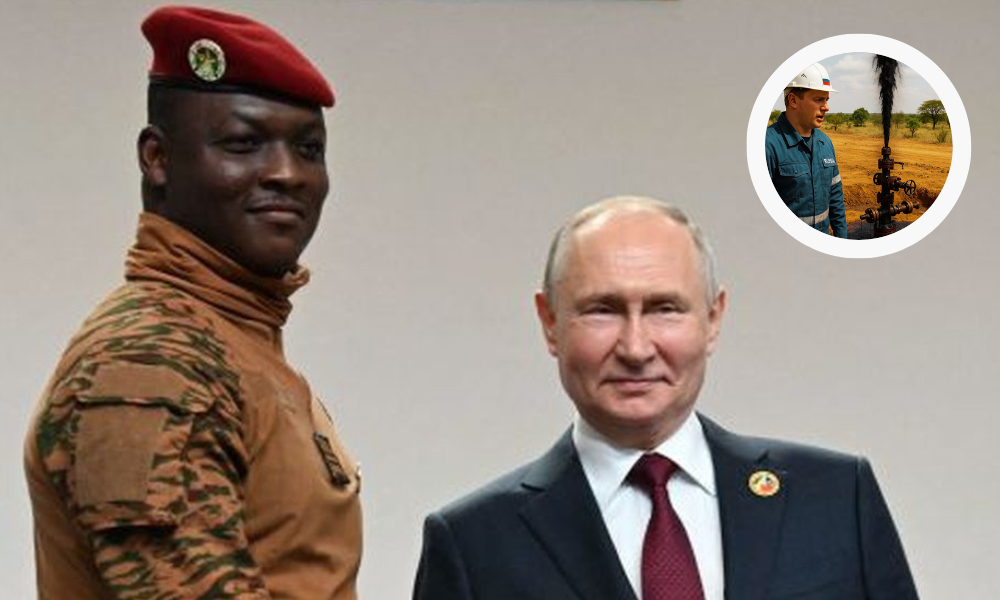
Although the Gazprom oil discovery story is not substantiated, it gained traction partly because of Burkina Faso’s shifting geopolitical alliances. In 2022–2023, Burkina Faso underwent a coup and its new leadership under Captain Ibrahim Traoré distanced itself from former colonial power France while strengthening ties with Russia.
This backdrop led some social media narratives to suggest that Russian involvement unveiled riches that Western companies “missed” – framing the alleged oil find as a reward for Burkina’s partnership with Russia. Analysts warn that such misinformation can be politically motivated, aiming to bolster public support for the junta by implying a windfall is on the horizon.
Had a giant oil field genuinely been found, the strategic implications would indeed be massive. Burkina Faso would potentially go from a gold-dependent economy (it produced ~57 tons of gold in 2023 to an oil-rich nation, which could eventually yield billions in revenue.
This could fund infrastructure and social programs, but it might also invite power struggles and foreign intervention, as seen in other resource-rich developing countries. Being landlocked, Burkina would need export routes via neighbors (e.g. pipelines through Ghana, Ivory Coast, Benin or Togo to the Atlantic), making regional cooperation crucial.
It could also shift the balance of influence in West Africa, as external powers might vie for access to Burkina’s oil. These hypotheticals underscore why the notion of a 50 billion-barrel discovery is taken seriously by many readers – if it were real, it would be a game-changer for the country and the region.
Conclusion
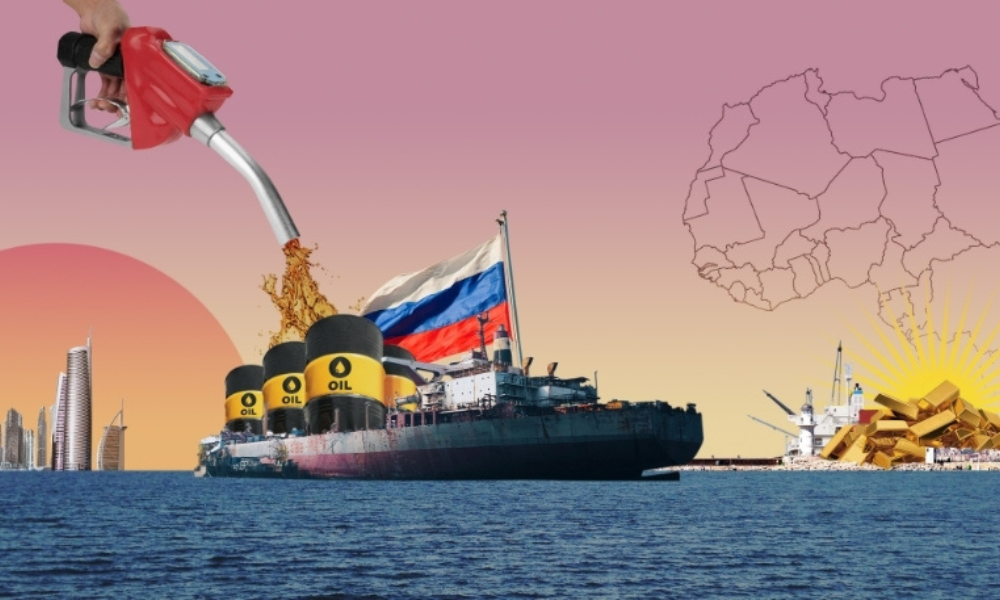
In conclusion, there is no evidence that Gazprom (or any company) has discovered oil in Burkina Faso in 2025. The widely shared claims appear to be false, with no official or credible confirmation to support them.
Burkina Faso remains a non–non-oil-producing country, and its known mineral wealth is still centered on gold and other minerals, not petroleum. Government announcements or Gazprom press releases about a huge oil find are absent, and multiple fact-checkers have debunked the story as misinformation.
Until an authoritative source announces an oil discovery, which would be big news – the reports of a 50 billion-barrel reserve in Burkina Faso should be regarded as unfounded rumors.
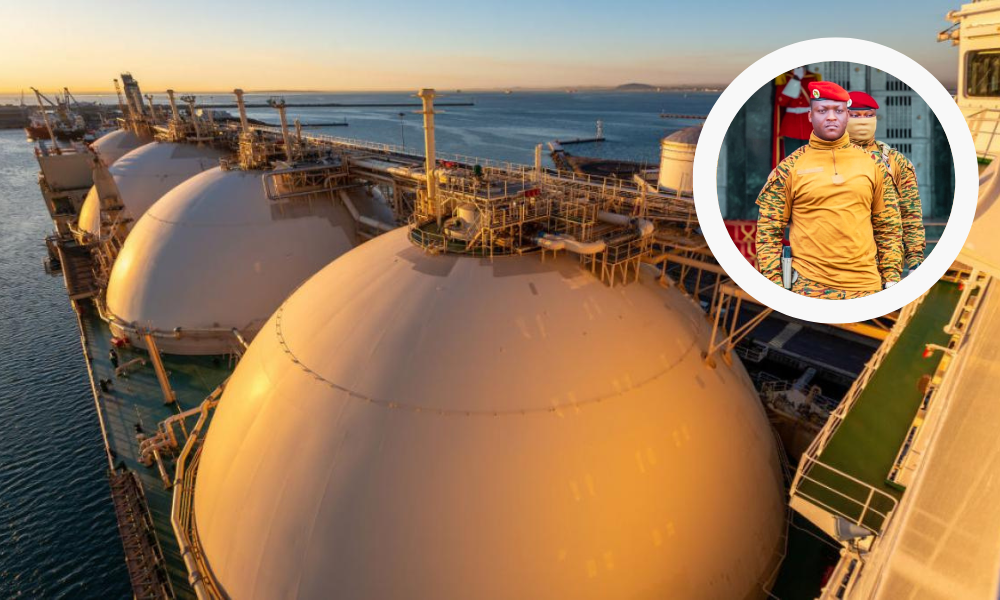
Sources: Official energy data and reports confirm Burkina Faso has no proven oil reserves and no oil output. Reuters and other fact-checkers have explicitly refuted the 2024–2025 oil discovery claims as baseless.
The only kernel of truth is that geologists found minor traces of oil in the north of the country in the past, but nothing remotely close to a large. In the absence of any official announcement from Gazprom or Burkina Faso, the story of a Gazprom oil discovery in Burkina Faso in 2025 can be concluded to be false
In early 2025, social media buzzed with viral claims that Russian energy giant Gazprom had struck oil—massive oil—in the landlocked West African nation of Burkina Faso. The number? A staggering 50 billion barrels, enough to rival the reserves of Libya and reshape the country’s economic future overnight.
But is it true?
As of today, no official confirmation has come from either Gazprom or the Burkinabe government. Leading news agencies, energy watchdogs, and government databases show no evidence of any verified oil discovery in the country. In fact, according to the U.S. Department of Commerce and global energy indexes, Burkina Faso remains a non–oil-producing nation that imports 100% of its petroleum needs.
???? The Viral Origin of a Misunderstood Claim
Much of the excitement stemmed from social media posts that paired old or misattributed videos with bold captions. One widely circulated video showed what appeared to be gushing oil, claimed to be “Burkina Faso’s black gold.” However, fact-checkers later revealed the footage was unrelated—originating from an entirely different country and incident.
Multiple outlets, including Reuters and AFP, have since debunked the 50-billion-barrel claim, clarifying that no such announcement has ever been made. Still, the story took off like wildfire, fueled by speculation, hope, and a powerful narrative of African self-determination backed by Russian partnerships.
???? Why the Rumor Stuck: Hope, Politics, and Power Plays
Burkina Faso, like many African nations, has a population eager for economic transformation. With gold as its current major export and a youth-heavy demographic facing limited opportunities, the idea of an oil discovery is a powerful symbol of potential prosperity.
Add to that the country’s recent geopolitical pivot away from France and toward Russia, and the pieces are in place for a speculative narrative. Russia’s growing influence in West Africa—and Gazprom’s global reputation—made the idea feel almost plausible.
Some saw the claim as a vindication of Burkina Faso’s recent rejection of Western alliances. Others saw it as a digitally manufactured myth meant to drum up nationalistic support or discredit foreign skeptics.
????️ Is There Any Oil in Burkina Faso?
Interestingly, Burkinabe geologists have in the past found small traces of hydrocarbons in the northwestern and northern regions of the country. But these were not commercially viable reserves, and no official exploration efforts from major global energy players like Gazprom have been confirmed.
So while the idea of oil beneath Burkina’s soil isn’t entirely far-fetched, the scale and certainty suggested by the viral claims are wildly exaggerated.
???? What This Teaches Us
This episode highlights an important lesson about media literacy in the age of virality. Just because a story spreads fast doesn’t make it true. In fact, the faster it spreads, the more urgent it becomes to pause, verify, and question the source.
It also speaks to the deep hunger for progress in African nations—and the powerful role of natural resources in shaping both dreams and geopolitics.
✅ Final Word
For now, Burkina Faso has not struck oil, and Gazprom has made no such discovery in the region. But the global interest sparked by this rumor is a reminder of the eyes now turning to Africa—not just for what lies beneath the ground, but for the untapped potential above it.
Did you come across this story online? Share this post to help set the record straight and support verified reporting.