


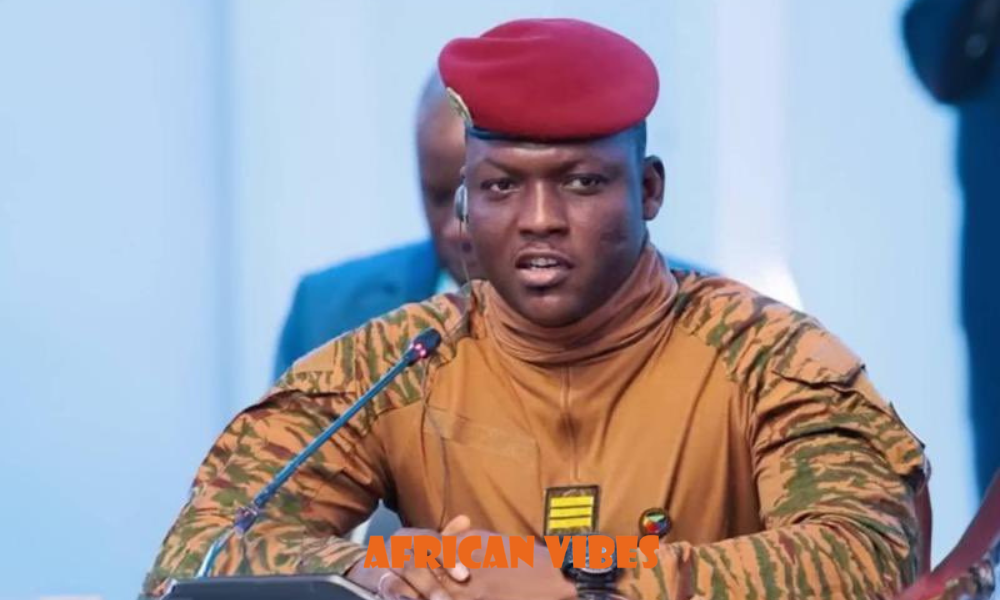
In a decision that has stunned the international community and sparked intense debate across the African continent, Burkina Faso’s transitional president, Captain Ibrahim Traoré, has officially dissolved the country’s Independent National Electoral Commission (CENI). Announced on July 17, 2025, the move is being hailed by supporters as a radical act of African sovereignty—and condemned by others as a dangerous retreat from democratic norms.
This isn’t merely a policy shift—it’s a seismic moment in the story of African self-determination, sovereignty, and reform. As nations across the Sahel navigate unprecedented security challenges and grapple with the legacies of colonial governance structures, Burkina Faso stands at a crossroads. Is this the dawn of a truly African model of governance? Or a perilous slide into authoritarianism?
ALSO READ: Mali’s Interim President Assimi Goïta’s extended term in office.
The Crucible of Crisis: Understanding Burkina Faso’s Turbulent Road to Reform
Burkina Faso’s recent history is defined by turbulence, marked by growing insecurity and disillusionment with conventional democratic institutions. Positioned at the heart of the Sahel crisis, the country has endured years of brutal jihadist insurgencies that have displaced millions and undermined public confidence in state institutions.
The chain of events that brought Captain Ibrahim Traoré to power underscores this crisis. After two coups in 2022—first ousting President Roch Marc Kaboré and later Lieutenant Colonel Paul-Henri Damiba—Traoré emerged as a youthful, revolutionary figure. His rise was not just a reaction to security failures, but also a repudiation of external interference and stagnating governance structures.
The CENI, long touted as a hallmark of electoral independence, became symbolic of the status quo. Critics noted persistent inefficiencies, allegations of political influence, and a glaring inability to guarantee inclusive elections in conflict-ridden zones. The 2020 elections excluded large areas of the country due to insecurity, raising serious questions about electoral legitimacy. In this context, Traoré’s government has positioned the CENI’s dissolution not as democratic regression, but as a necessary step toward institutional reformation and sovereignty.
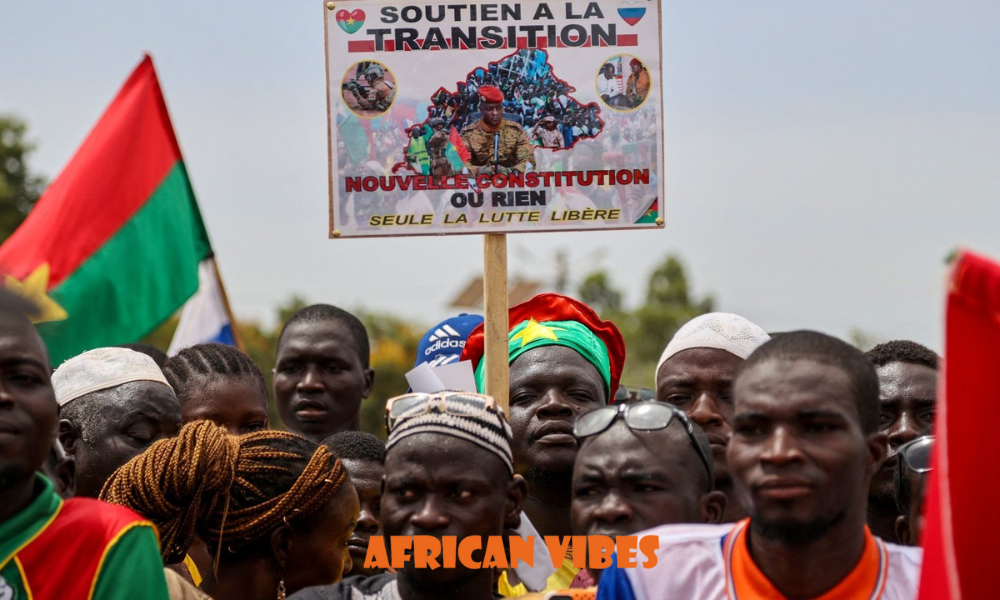
The Logic of Disruption: Cost, Control, and the “Traoré Doctrine”
The government’s rationale for disbanding the CENI is both pragmatic and ideological.
From a practical perspective, officials cite high operational costs that are unsustainable in a nation where every franc must be stretched to fight terrorism, support displaced populations, and build essential infrastructure. Redirecting those funds to frontline priorities resonates deeply with a public weary of expensive bureaucracies perceived as ineffective.
But perhaps more significantly, this is about sovereignty.
Burkina Faso’s government argues that the CENI was vulnerable to foreign influence due to its reliance on international donors. The decision to move electoral oversight to the Ministry of Territorial Administration is being cast as a reclaiming of national agency—central to what many are now calling the “Traoré Doctrine.” It’s a philosophy rooted in Pan-Africanist ideals, rejecting foreign-dictated governance models in favor of homegrown solutions.
This doctrine is echoed in other major policy shifts under Traoré, including the withdrawal of French troops and closer cooperation with non-Western allies like Russia. The dissolution of the CENI is one piece of a broader strategy to redefine governance through a nationalist lens—one that prioritizes cultural authenticity, financial autonomy, and security-driven statecraft.
Challenges and Opportunities: Redesigning Democracy from Within
This unprecedented move comes with significant risks. Handing electoral responsibility to a government ministry—especially under military leadership—raises red flags for democratic watchdogs. Critics worry about transparency, potential manipulation, and diminished public trust in future electoral processes.
With elections not expected until 2029, there’s a long runway to either build credibility—or erode it entirely.
That said, this transition also offers a unique opportunity to design an electoral system that’s more aligned with Burkina Faso’s realities. A streamlined, culturally rooted, and cost-efficient process could theoretically deliver greater participation and ownership—if handled with integrity.
To succeed, the government must:
- Create a clear, legally binding framework for electoral governance
- Train competent and impartial electoral officials
- Ensure security and voter access, even in volatile areas
- Actively engage civil society, traditional leaders, and the diaspora
- Communicate openly and transparently with the public and international partners
Only then can the country demonstrate that this is a strategic transformation—not a cover for consolidation of power.
A Continental Signal: The Pan-African Implications
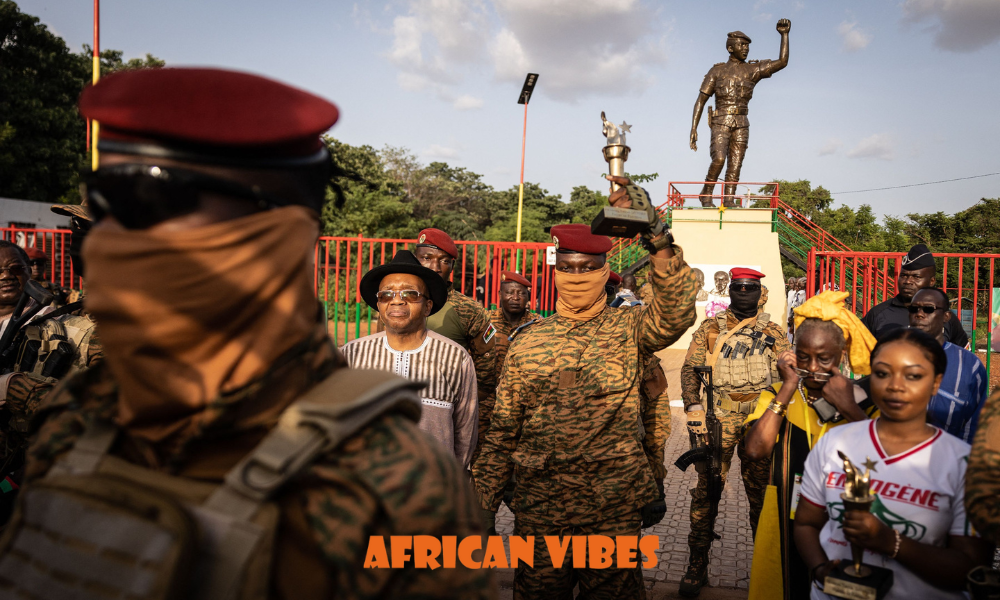
Burkina Faso’s decision reverberates far beyond its borders. It taps into a growing trend across the Sahel, where military leaders—often frustrated by insecurity and foreign meddling—are upending post-colonial political structures. From Mali to Niger, there’s an emerging bloc of leaders questioning the Western model of liberal democracy, proposing instead a form of governance rooted in stability, sovereignty, and self-determination.
Among Pan-Africanists, the Traoré government is gaining near-legendary status. Social media platforms are flooded with praise for his “anti-imperialist” stand. Some view this as a new wave of African nationalism—fueled not just by ideology, but by a generational demand for dignity, efficiency, and real results.
Yet the global community is more divided. Western governments and multilateral organizations are expressing concern about democratic backsliding. While some may reduce aid or apply diplomatic pressure, others are re-evaluating their engagement strategies, recognizing that rigid promotion of “Western-style democracy” may not always produce stability or legitimacy.
This tension—between local legitimacy and international expectations—will define Burkina Faso’s next chapter.
Conclusion: A New Era or a Risky Gamble?
Captain Ibrahim Traoré’s dismantling of Burkina Faso’s electoral commission is a daring move that speaks to deeper currents in African politics. It is both a gamble and a declaration—a call to rethink democracy through a decolonized, self-directed lens.
The ultimate test will be in the results. If the government can deliver free, fair, and inclusive elections—on its own terms—it may blaze a trail for others to follow. If it fails, it risks undermining the very ideals it claims to uphold.
Either way, Burkina Faso is no longer playing by old rules. And the rest of Africa—and the world—should be paying close attention.