


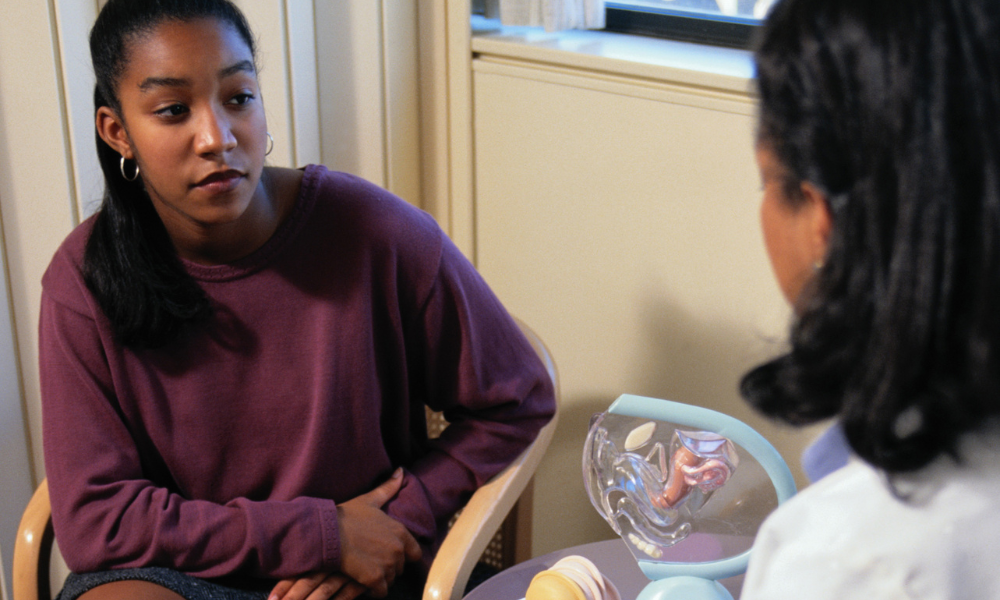
A survey by the Kaiser Family Foundation found that nearly 60% of women using hormonal birth control reported at least one troubling side effect. Yet only a fraction felt their concerns were taken seriously by healthcare providers.
For generations, women have been encouraged to quiet their discomfort, normalize their pain, and trust a healthcare system that too often refuses to listen. Whether it’s persistent fatigue, bone-deep anxiety, or side effects brushed off as “just hormones,” many are made to feel irrational for questioning what’s happening to their own bodies.
ALSO READ: Embeyte Medhin 76-Year-Old Ethiopian Woman Gives Birth to Her First Child
Hormonal birth control is often prescribed as a one-size-fits-all solution, but its long-term effects are rarely discussed with nuance or transparency. As women begin to piece together the patterns—and the toll these medications can take—there’s a growing awareness that something isn’t right. Not just in how these drugs interact with the body, but in how the system responds when women speak up.
And when those symptoms turn into lasting harm, the silence becomes more than frustrating. It becomes dangerous.
The Silent Struggle with Hormonal Birth Control
Hormonal birth control is often introduced as a rite of passage—a quick solution for irregular cycles, acne, contraception, or mood swings. What’s rarely mentioned is how powerful these medications are and how deeply they can affect the body beyond their intended purpose.
Some women report sudden drops in bone density. Others describe chronic migraines, vision problems, or a kind of cognitive fog that doesn’t lift with sleep. These aren’t fleeting discomforts. They’re life-altering symptoms that arrive quietly and stay.
Despite the seriousness of these effects, conversations around them are muted. Many women spend years wondering if what they’re experiencing is normal or if it’s all in their head. Even when the signs are clear, they’re often explained away as stress, aging, or worse—hysteria rebranded.

A large-scale study published in JAMA Psychiatry tracked over a million women and found a clear association between hormonal contraceptive use and depression, especially among adolescents. Yet warnings remain vague, the tone reassuring, and the prescription pad quick to reappear.
The solution isn’t to reject medicine. It’s to demand better from it. Informed decisions require honest conversations. Side effects shouldn’t be secrets, and symptoms shouldn’t be minimized. Every woman deserves to understand the full impact of what’s being prescribed—and to be taken seriously when her body pushes back.
How the Medical System Gaslights Women
The hardest part for many women isn’t the pain itself. It’s how easily that pain is brushed aside. You walk into a clinic describing fatigue, dizziness, or emotional volatility and walk out with vague reassurance or an unrelated prescription.
Historically, women have been left out of clinical trials, especially in early drug development. Hormonal fluctuations were seen as inconvenient variables. The result? A medical system that still lacks data on how many common medications truly affect women.
Even now, side effects are often minimized. Patients are told it’s stress. Try yoga. Drink more water. Wait it out. Meanwhile, symptoms worsen and confidence in your judgment quietly erodes.
There’s nothing irrational about wanting answers. It’s not dramatic to expect transparency. And it’s absolutely valid to question anyone who makes you feel like your body’s distress is something to ignore.

Even now, when side effects emerge, they’re often minimized. Patients are told it’s stress, that they should try yoga, drink more water, or wait it out. Meanwhile, months pass. Symptoms worsen. And confidence in your judgment quietly erodes.
There’s nothing irrational about wanting answers. It’s not dramatic to expect full transparency. And it’s absolutely valid to question the authority of anyone who makes you feel like your body’s distress is something to ignore.
You don’t need permission to take your health seriously. You never did.
Reclaiming Your Power: How to Advocate for Yourself
It often starts with a quiet instinct. A sense that something isn’t right, even if it doesn’t come with a diagnosis or a line on a lab report. That instinct is worth listening to.
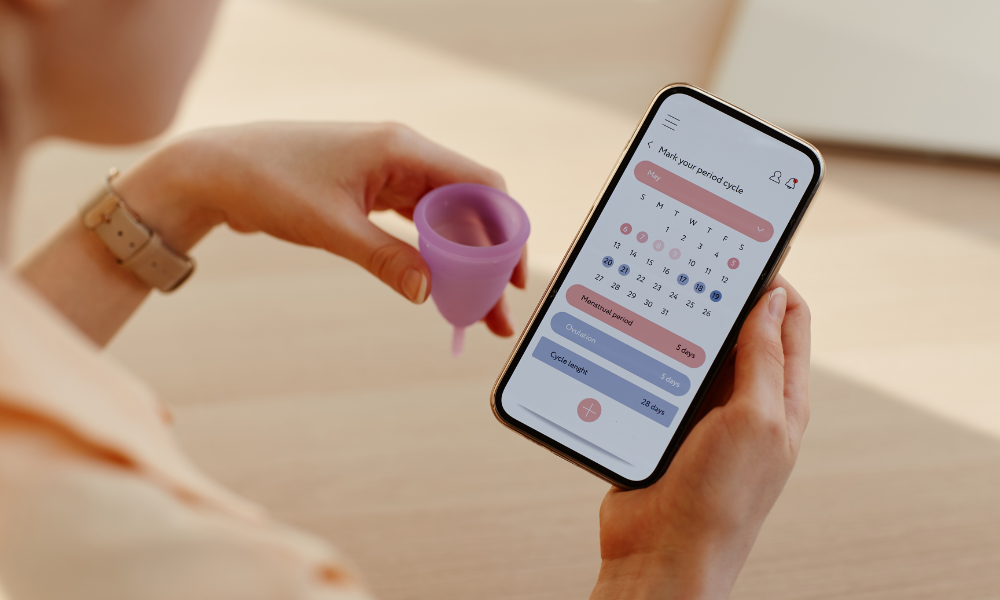
Advocating for your health means taking your experiences seriously—even when others don’t. It begins with tracking your symptoms in detail: noting changes in mood, energy, pain levels, and any new sensations that feel out of place. These patterns hold power. They give shape to your story, especially when it’s time to speak with a provider who might otherwise dismiss what you’re feeling.
Don’t hesitate to ask questions. Ask why something is being prescribed. Ask what the long-term effects are. Ask what alternatives exist. And if you’re not satisfied with the answers, ask again somewhere else. Second opinions aren’t betrayals of trust; they’re tools of self-preservation.
Advocacy also means finding providers who treat you as an equal participant in your care. You deserve curiosity, not condescension. When a doctor takes the time to listen without rushing, to answer without dismissing, and to work with—not around—you, that’s care you can build trust in.
Your voice is a tool. Use it firmly, consistently, and without apology.
When Harm Demands More Than Healing
There are times when speaking up isn’t enough. When the consequences of being ignored leave a mark that can’t be reversed with time or lifestyle changes. Bone loss, neurological damage, and other long-term effects of hormonal treatments aren’t rare outliers. They are often the result of incomplete information, rushed decisions, and a system that downplays risk in favor of convenience.
In these moments, recovery takes on another dimension. It’s not only about feeling better. It’s about being heard.
Some women choose to take further action, especially when their symptoms stem from medication they were told was safe. Legal support can help clarify what options exist. For those exploring that path, firms like Rosenfeld Injury Law offer resources and case evaluations for individuals who believe hormonal treatments have harmed them. Their work has included helping women hold pharmaceutical companies accountable when transparency and safety fall short.
Choosing to pursue legal support is a personal decision. It’s not about confrontation. It’s about protecting your story, your rights, and your future.
Healing on Your Terms
When you’ve been told to ignore your instincts for long enough, it can take time to trust them again. The process of healing isn’t only physical. It touches every part of you—your confidence, your sense of agency, and your relationship with your own body.
ALSO READ: Miracle at 70: Safina Namukwaya Becomes Africa’s Oldest New Mother

Support can come in many forms. Sometimes it’s found in community, through shared stories that remind you you’re not alone. Other times, it’s through deeper self-awareness—learning to trust your patterns, adjust your pace, and prioritize what nourishes you. If you’re ready to reconnect with your body in small, intentional ways, this guide to living well through simple daily shifts is a gentle place to begin.
You don’t need a perfect plan to start. You just need permission—from yourself—to believe that your body is worth listening to, and that your experience is worth honoring.
Your Voice Matters
There is no single way to reclaim what’s been overlooked, ignored, or dismissed. But there is power in beginning. Power in asking the harder questions, in trusting what your body is trying to tell you, and in refusing to settle for silence when what you need is support.
Whether you’re seeking answers, exploring legal options, or simply learning how to take better care of yourself after a difficult chapter in your health story, your experience is valid. You have every right to expect clarity, compassion, and care that honors the full complexity of your health.
Your voice is not too much. Your story is not too complicated. And your well-being is not up for negotiation.