


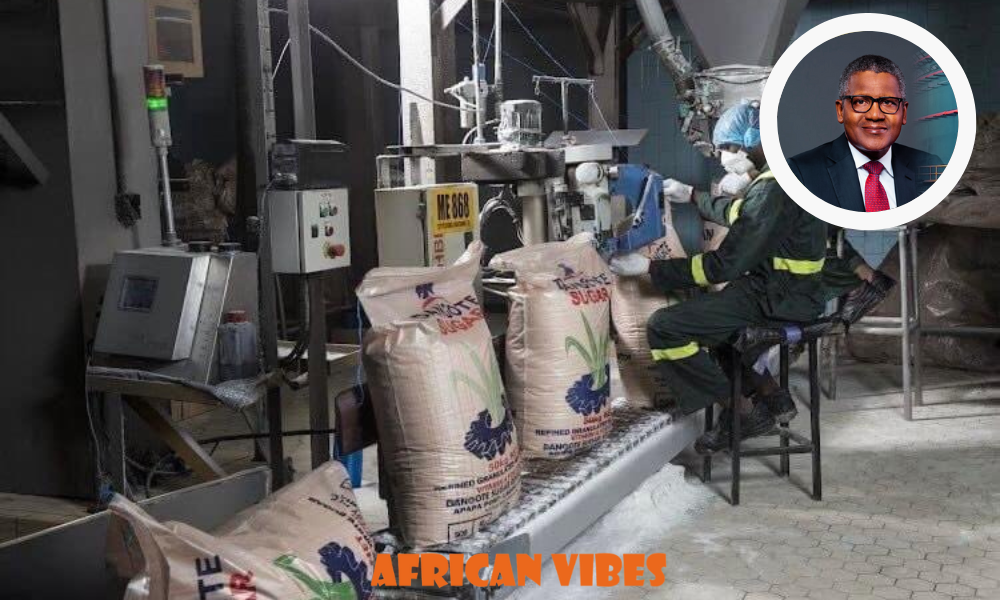
Africa’s richest man, Aliko Dangote, is set to make a game-changing investment in Ghana with the construction of a $162 million sugar refinery in Kwame-Danso, located in the country’s Bono East Region.
This massive agro-industrial venture—unveiled under Ghana’s flagship One District, One Factory (1D1F) initiative—is designed to cut the nation’s sugar import dependence, create thousands of jobs, and catalyze sustainable development in one of Ghana’s most underserved areas.
“This isn’t just a sugar factory—it’s a catalyst for self-sufficiency, employment, and economic transformation,” Aliko Dangote said in a statement announcing the project.
From Vision to Reality: Africa’s Sweet Ambition
The proposed refinery will be among the largest on the continent, with the capacity to crush 12,000 tons of sugarcane per day. It will be powered by an integrated 25,000-hectare irrigated sugarcane plantation, making it one of the most ambitious agricultural estates in West Africa.
The facility will not only produce refined sugar but also generate valuable by-products such as molasses for animal feed and distilling and fuel-grade ethanol, aligning with broader continental goals for renewable energy and value addition.
Once operational, the refinery could dramatically reduce Ghana’s annual sugar import bill, which hovers around $160 million. “We are not only investing in industry,” Aliko Dangote added, “we are investing in Ghana’s economic independence.”
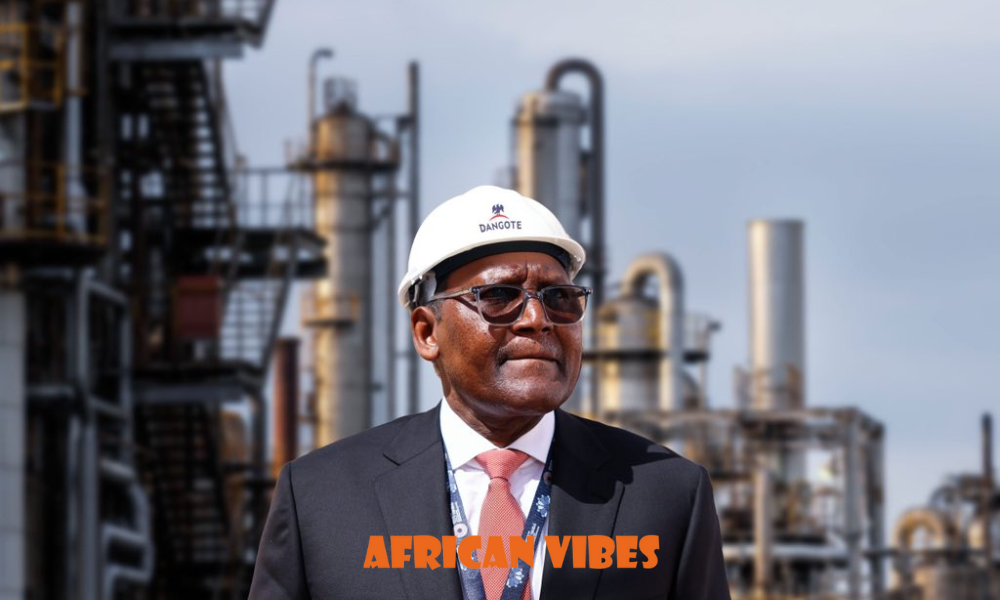
ALSO READ: The Dangote Refinery: Africa’s Game Changer in the Global Energy Landscape
A Boost for Local Economies
The Kwame-Danso project is expected to create thousands of direct and indirect jobs, providing employment for youth, smallholder farmers, and skilled technicians. Local communities in the Sene West District—where industrial development has historically lagged—stand to benefit from new infrastructure, including roads, irrigation networks, and improved access to markets.
Ghana’s Bono East Regional Minister, Kwasi Adu-Gyan, praised the initiative: “This refinery is more than an investment. It is a lifeline for rural development in Bono East. It will change lives.”
Partnerships Rooted in Community
The project is being developed in close collaboration with the Bono East Regional Coordinating Council and local traditional leaders, including the chiefs of Dwan and Wiase, who have made land available for the plantation. The Ghanaian government is supporting the project through its 1D1F framework, providing regulatory facilitation and policy alignment.
All required permits and land agreements have been secured as of early 2025, paving the way for construction to begin later this year.
A Sustainable Approach to Agro-Industry
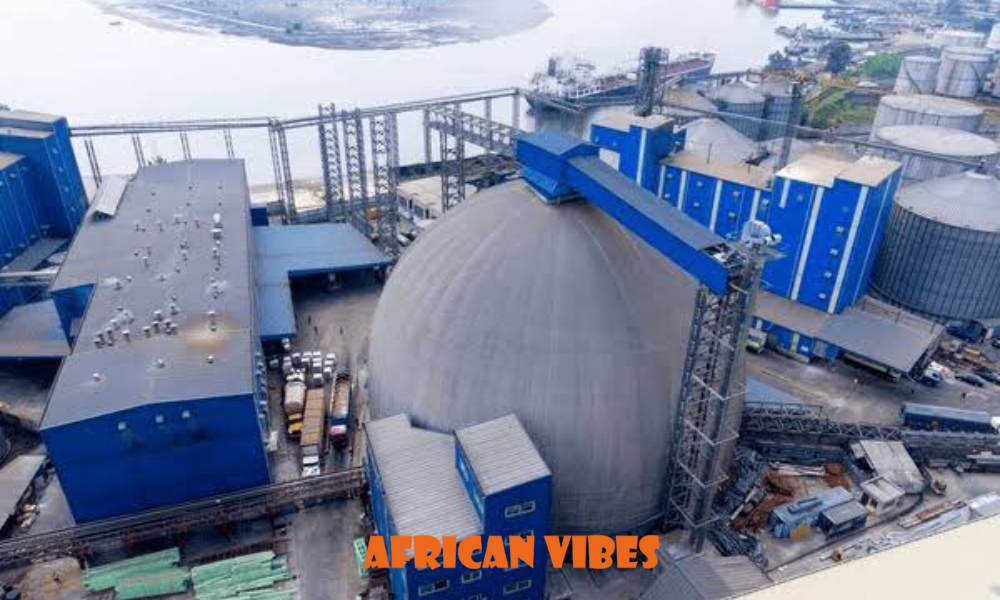
In line with Dangote Group’s growing emphasis on sustainability, the sugar complex will be powered in part by renewable biomass energy derived from bagasse, a sugarcane by-product. Plans also include the production of ethanol, which can supplement fuel imports and reduce carbon emissions.
The project’s 25,000-hectare irrigation scheme will more than double Ghana’s publicly irrigated farmland, transforming agricultural productivity in the region. Environmental experts note that such a scale demands careful water management and sustainable farming practices, which Dangote’s team has pledged to uphold.
Overcoming the Hurdles Ahead
Like all transformative projects, the Kwame-Danso refinery faces challenges. Road infrastructure, especially in rural districts, needs urgent upgrades to support the transport of raw cane and refined sugar. The Ghanaian government has prioritized these improvements, with roadworks already underway on key arteries such as the Atebubu–Kwame Danso route.
There is also a need for policy support to protect the fledgling local sugar industry from cheap imports. Ghana’s Parliament is currently working on a new national sugar policy to provide the necessary tariff structures and market protections.
Pan-African Investment in Action
Aliko Dangote’s move into Ghana underscores a growing trend of intra-African investment, where leading business figures channel capital, expertise, and ambition into neighboring economies.
For Dangote Group, which already dominates Nigeria’s sugar market, the Ghana expansion is part of a broader regional strategy aligned with the African Continental Free Trade Area (AfCFTA).
“This project represents the future of African enterprise,” said a spokesperson for the company. “It’s about Africans investing in Africa, building local value chains, and unlocking our continent’s potential.”
A Sweet Future for Ghana and Beyond
With construction set to commence in 2025 and operations expected to begin by 2027, the Kwame-Danso refinery is being hailed as a flagship model for agro-industrial development on the continent.
If successful, the project could inspire similar investments across Africa—turning sugar from a costly import to a driver of rural prosperity, industrial growth, and economic resilience.