


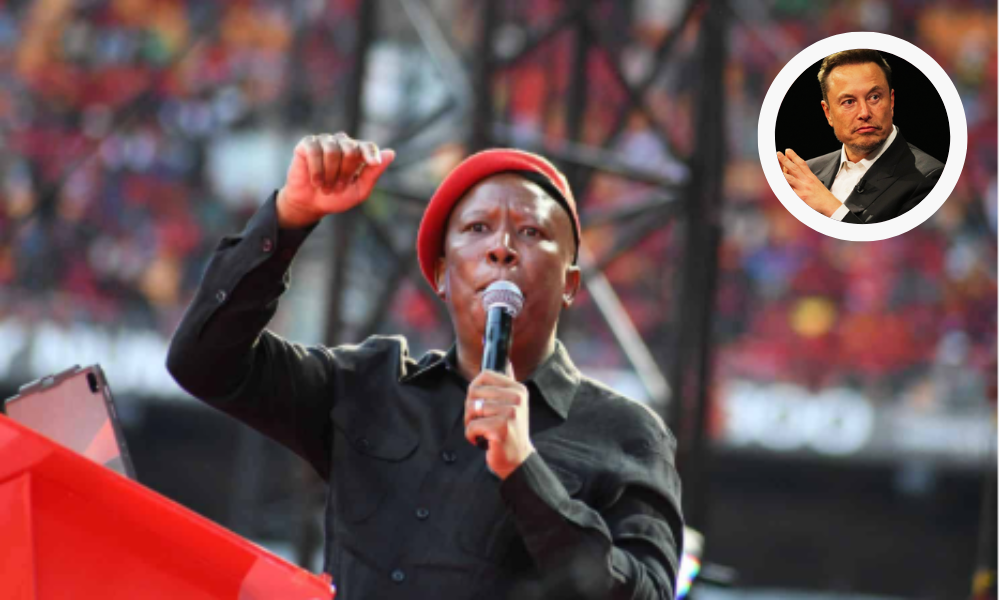
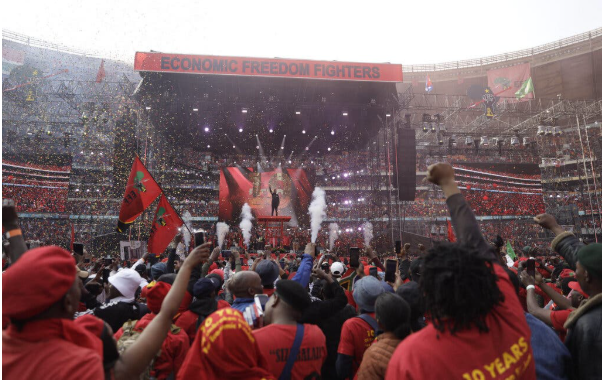
South African politician Julius Malema has once again ignited a firestorm of controversy with his use of the chant “Kill the Boer, Kill the Farmer” during a recent Economic Freedom Fighters (EFF) rally. The chant, which has deep historical roots in the anti-apartheid struggle, has sparked widespread backlash both within South Africa and internationally. Billionaire entrepreneur Elon Musk and U.S. Senator Marco Rubio have been among the most vocal critics, raising concerns about the chant’s implications and calling for political accountability.
As the debate intensifies, opinions are sharply divided. Some argue that the chant is a historical struggle song with symbolic meaning, while others see it as a dangerous incitement to violence. With South Africa facing a complex political landscape ahead of the 2024 elections, the controversy highlights deeper societal tensions and the potential ramifications for the country’s future.
ALSO READ: Sahel Bloc Slaps 0.5% Import Levy After ECOWAS Exit
The History Behind ‘Kill the Boer’
Origins and Liberation Struggle: The chant reportedly originated from Zimbabwe People’s Revolutionary Army (ZIPRA) during the Bush War and was later adopted by Umkhonto we Sizwe (MK), the ANC’s armed wing, during military training in Zambia. During apartheid, “Boer” symbolized white farmers and the oppressive state, making the chant a rallying cry against white minority rule.
During the 1990s, South African political figures like Peter Mokaba helped bring the chant into mainstream discourse. While the African National Congress (ANC) distanced itself from it in 2012, Malema and the EFF have continued to use it, insisting that it is a metaphorical expression rather than a literal call for violence.
Elon Musk and International Outrage
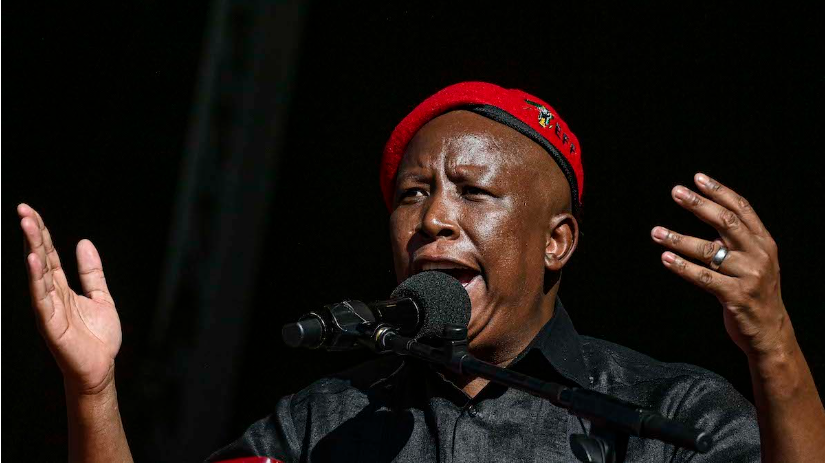
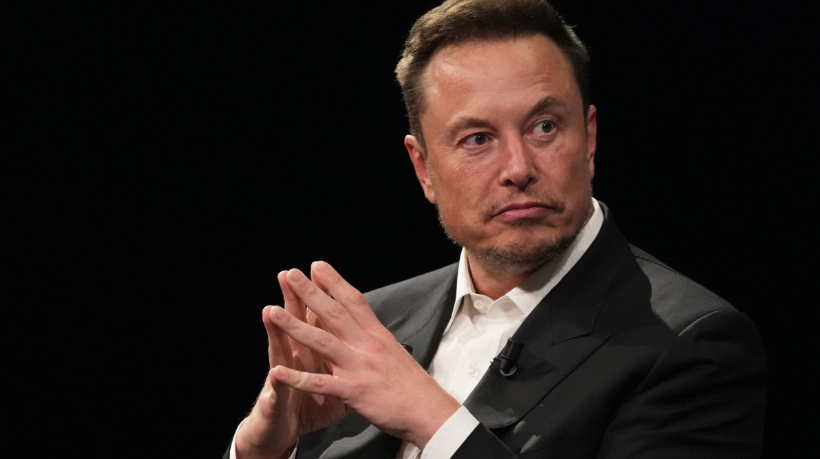
The most recent backlash gained momentum when South African-born billionaire Elon Musk took to social media to condemn the chant. Musk posted on X (formerly Twitter):
“Very few people know that there is a major political party in South Africa that is actively promoting white genocide… Where is the outrage?”
His comments triggered a global response, with U.S. Senator Marco Rubio also weighing in, stating that:
“‘Kill the Boer’ is a chant that incites violence. South Africa’s leaders and politicians must take action to protect Afrikaners and other disfavored minorities.”
The video of Malema leading the chant at the EFF rally went viral, garnering over 62 million views on social media. Critics argue that such rhetoric fuels racial tensions and could inspire real-world violence, particularly against South Africa’s farming community, which has been the target of violent crimes in recent years.
ALSO READ: Netumbo Nandi-Ndaitwah Makes History as Namibia’s First Female President
South Africa’s Response: Hate Speech or Political Expression?
The controversy has reignited a long-standing legal and political debate over whether “Kill the Boer” constitutes hate speech. A 2022 ruling by South Africa’s Supreme Court of Appeal found that the chant was not hate speech, arguing that a “reasonably well-informed person” would understand it within its historical and political context.
News24 editor Adriaan Basson echoed this view, dismissing Musk’s claims as “fake news and misinformation.” Basson and other commentators argue that the chant is a symbolic expression of frustration over land ownership and economic inequality rather than an actual incitement to violence.
However, others dispute this perspective, pointing to the song’s historical use in revolutionary warfare and its potential psychological impact. They argue that normalizing such rhetoric weakens societal taboos against violence and creates a dangerous climate of hostility.
The Political Implications for South Africa
The “Kill the Boer” controversy comes at a pivotal time for South Africa’s political landscape. With elections on the horizon, the ruling ANC faces the possibility of losing its parliamentary majority, potentially leading to coalition negotiations. Some analysts speculate that if the ANC seeks to retain power, it may form an alliance with the EFF, further emboldening Malema’s radical policies.
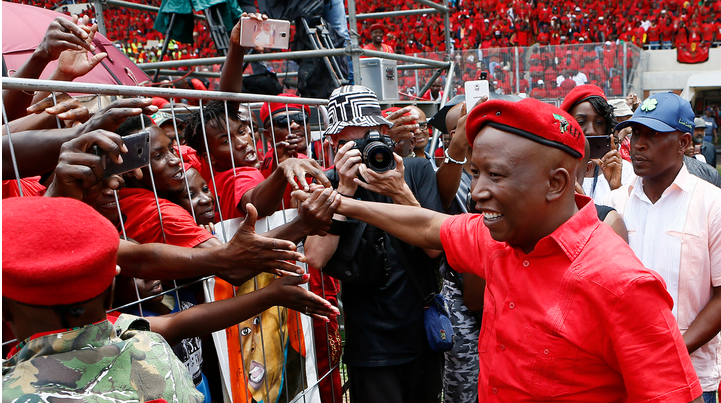
Despite polls suggesting a decline in EFF support, the party remains a significant force in South African politics. Malema’s ability to command large crowds and drive media attention underscores his influence, particularly among younger and economically disadvantaged voters.
Conclusion
The “Kill the Boer” controversy reflects deep-rooted tensions in South Africa’s society, touching on issues of race, history, and economic disparity. While some see the chant as a symbolic remnant of the country’s struggle against apartheid, others warn that such rhetoric is dangerous and inflammatory.
The global response, amplified by figures like Musk, has placed South Africa under international scrutiny. Whether or not the chant leads to real-world violence, the political and social divisions it exposes are undeniable. As South Africa heads toward a critical election period, the debate over free speech, historical context, and racial tensions is far from over.