


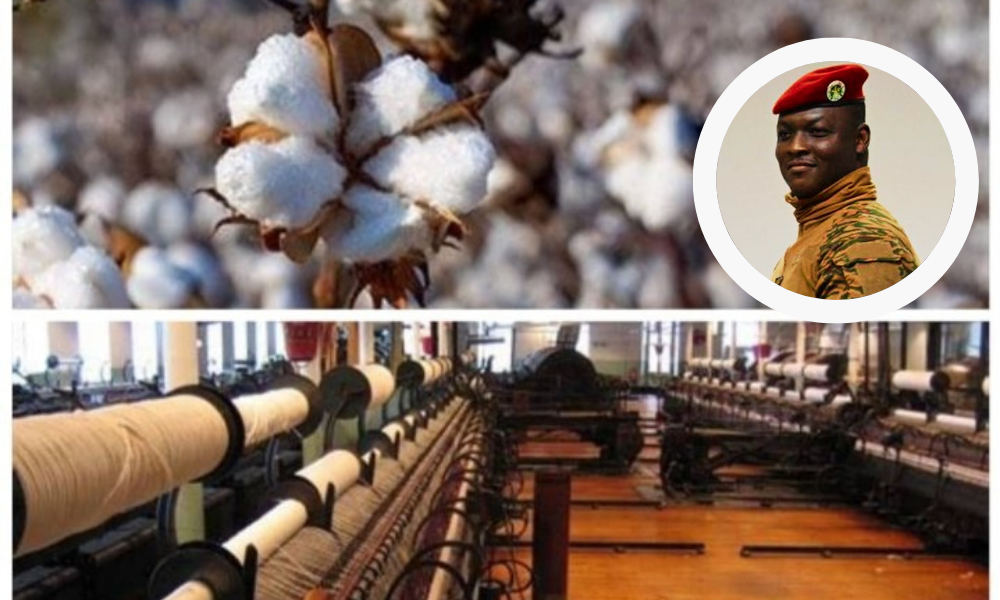
Burkina Faso, one of West Africa’s largest cotton producers, is undergoing a transformation that promises to reshape the fabric of its economy. For years, the nation exported over 95% of its raw cotton without processing it locally—missing a significant opportunity for value addition, job creation, and rural development.
Today, this is changing. Thanks to strategic government initiatives, foreign investment, and a shift toward climate-smart agriculture, Burkina Faso is beginning to reclaim control over its most prized cash crop.
Resurrecting a Textile Legacy
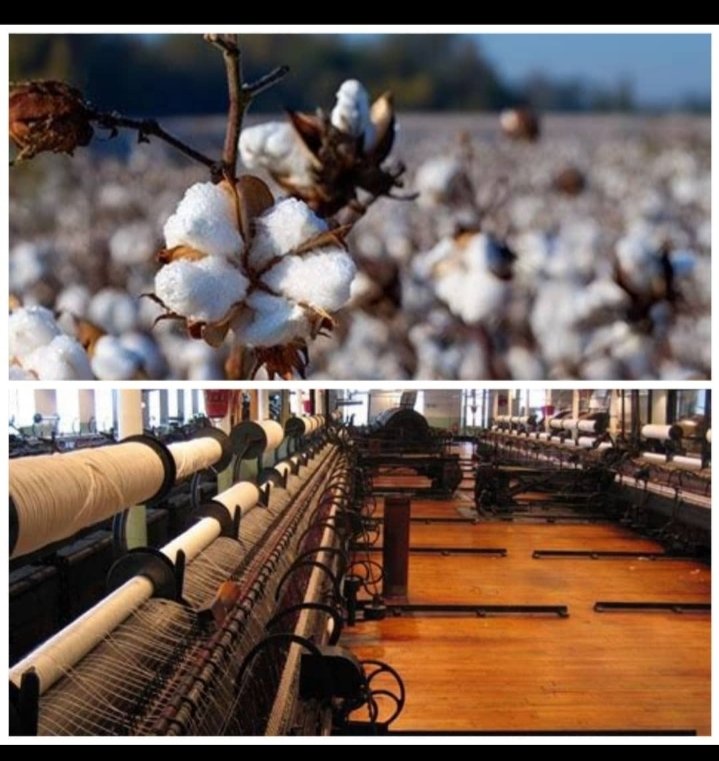
At the heart of this revival is the reopening of the iconic FASO FANI textile factory in Koudougou, which once symbolized the nation’s industrial pride. Now rebranded as FASOTEX, the revamped plant reflects Burkina Faso’s broader push toward rebuilding its textile capabilities.
Alongside this milestone are two newly launched cotton processing plants in the economic hubs of Bobo-Dioulasso and Ouagadougou, equipped with modern equipment and backed by international partners and government incentives.
These developments mark a decisive pivot from exporting raw cotton to processing it domestically—a move that could greatly enhance economic resilience and allow the country to retain a larger share of the profits from its cotton value chain.
ALSO READ: Burkina Faso Launches State Of The Art Tomato Processing Plant
Unlocking Economic Opportunities through Local Processing
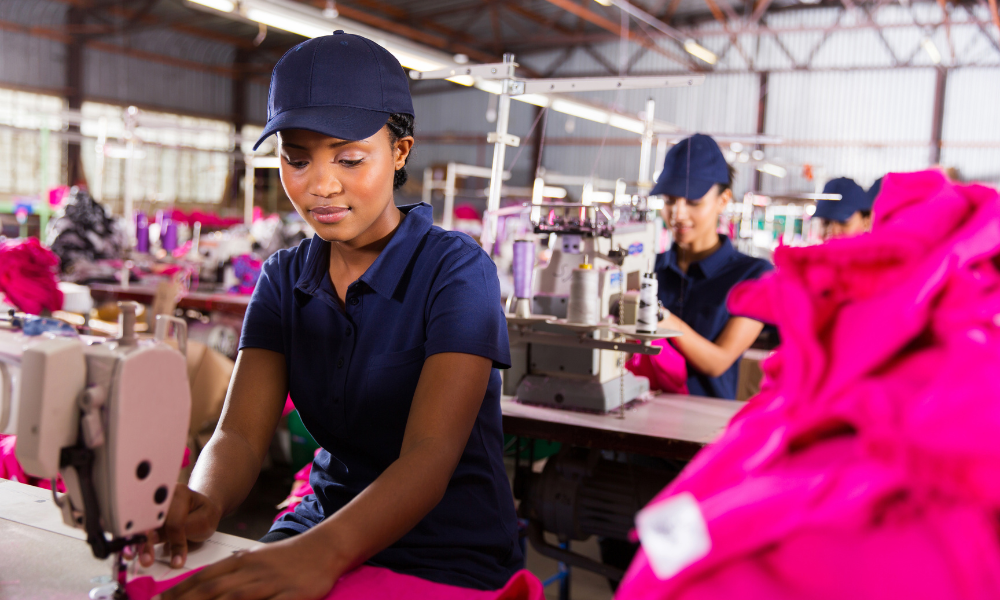
Processing cotton locally is more than a matter of industrial growth—it’s a catalyst for broad socio-economic transformation. New processing facilities are expected to generate thousands of direct and indirect jobs, ranging from factory positions to roles in transport, logistics, and auxiliary services.
Furthermore, processed cotton products such as yarn, textiles, and garments command far higher prices in global markets compared to raw cotton bales. This shift could significantly increase national revenue and help stabilize the country’s export income.
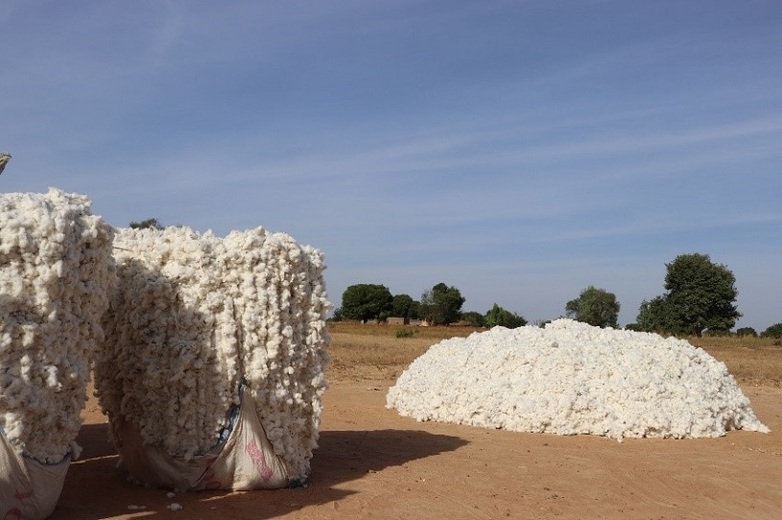
Equally important is the positive impact on rural communities. With processing plants now located closer to where cotton is grown, smallholder farmers benefit from reduced transport costs and more timely payments. This proximity fosters localized development, narrowing the urban-rural divide and laying the foundation for stronger regional economies.
Facing the Industry’s Structural Challenges
Despite these strides, Burkina Faso’s cotton industry faces several structural hurdles. One of the most pressing issues is the lack of access to finance for upgrading equipment and maintaining plant operations. Many processors struggle to secure affordable credit, which slows modernization efforts.
Compounding this is the country’s historically low domestic processing rate—a lingering effect of decades spent exporting unprocessed cotton.
Environmental challenges also threaten stability. With a growing frequency of droughts, erratic rainfall, and storms, climate change poses a serious risk to cotton yields and disrupts harvest cycles. Pests and diseases further reduce both the quality and quantity of cotton produced, leaving many farmers vulnerable.
Meanwhile, global competition from heavily subsidized cotton producers—particularly in the United States—continues to undercut Burkina Faso’s market share, even as the country strives to raise standards.
In the workforce, a lack of technical training and mechanization creates bottlenecks in productivity. Manual labor remains the norm, especially in rural areas, limiting scalability and increasing operational costs. Coordination across the supply chain is another concern, with governance gaps slowing down payment systems and hampering stakeholder trust.
Paving a Path Toward Sustainability and Innovation
To overcome these challenges and future-proof its cotton sector, Burkina Faso is investing in sustainability and climate-smart innovations. These practices not only protect the environment but also boost productivity and profitability.
One of the key areas of progress is the promotion of organic cotton farming. This method minimizes the use of synthetic pesticides and fertilizers, allowing ecosystems to flourish and providing access to niche global markets that value eco-conscious products.
Programs such as Cotton Made in Africa (CmiA) and Better Cotton Initiative (BCI) are gaining traction, helping farmers meet international sustainability standards while increasing their income potential.
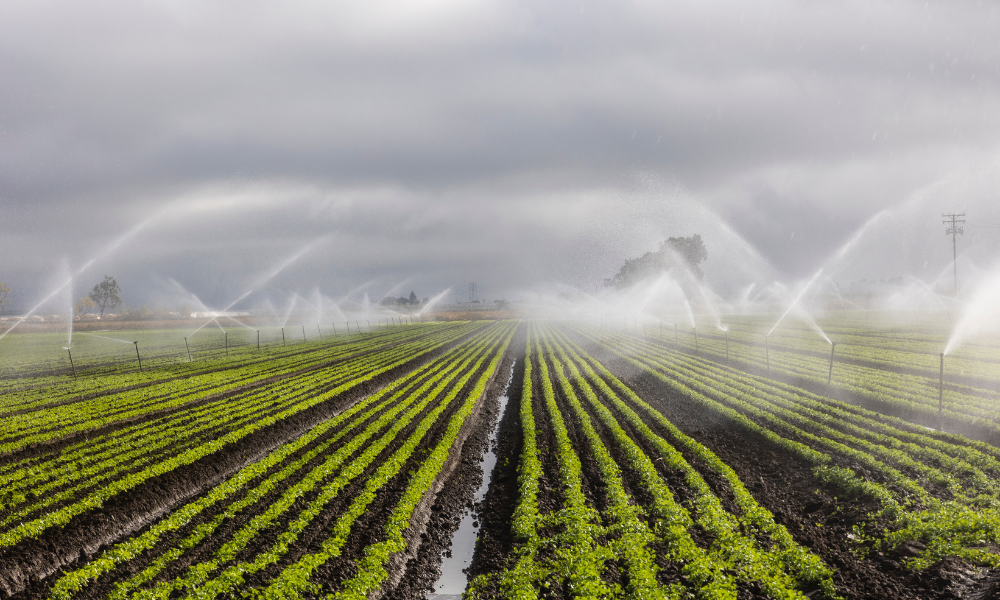
Water conservation has also taken center stage. Techniques such as drip irrigation and rainwater harvesting are being promoted to ensure reliable water supply in drought-prone areas. These methods reduce water consumption while maintaining steady yields, offering a lifeline in the face of unpredictable climate conditions.
Within the textile production phase, circular economy principles are being embraced. Efforts to implement green manufacturing, including textile recycling and waste reduction, signal a commitment to environmentally responsible practices. Some initiatives are experimenting with microbial soil solutions to improve soil health naturally, reducing dependence on synthetic chemicals and fostering long-term agricultural viability.
ALSO READ: Niger, Mali, and Burkina Faso Exit ECOWAS And Here’s Why
Empowering Farmers Through Education
Capacity building is integral to the sector’s evolution. Several training initiatives are being rolled out nationwide to enhance farmer resilience and knowledge. These include modules on climate-smart agriculture, organic cotton practices, and integrated pest management.
Organizations like the FAO and local NGOs have introduced Farmer Field Business Schools (FFBS), which teach both agronomy and entrepreneurship, helping cotton farmers move from subsistence to commercial viability.
Additionally, training programs in Good Agricultural Practices (GAP) are equipping farmers with tools to increase yields, conserve resources, and meet global quality standards. These educational interventions create a ripple effect—boosting confidence, improving livelihoods, and enhancing the long-term competitiveness of Burkina Faso’s cotton.
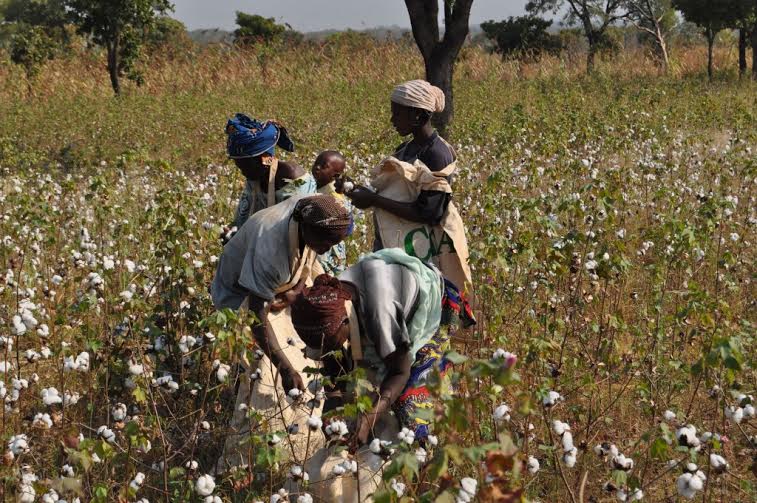
Climate-Smart Agriculture in Practice
On the ground, climate-smart agriculture is taking shape through a suite of innovative techniques. Farmers are now adopting drought-resistant cotton varieties, agroforestry, and conservation agriculture, which preserve soil structure and fertility.
Solar-powered irrigation systems have begun to replace diesel pumps, reducing carbon emissions and operating costs.
Other widely adopted practices include composting, mulching, and crop diversification—all of which strengthen soil health and reduce vulnerability to pests and climate shocks. These measures not only cushion the impact of environmental change but also contribute to a more sustainable, inclusive agricultural ecosystem.
Conclusion: Toward a Resilient Cotton Economy
The revival of Burkina Faso’s cotton industry stands as a powerful example of how thoughtful policy, sustainability, and innovation can drive transformative change. As new processing plants become operational and more farmers gain access to training and climate-smart tools, the nation is moving beyond its historic reliance on raw cotton exports.
This shift promises more than just economic gains—it offers a roadmap to inclusive growth, environmental stewardship, and national self-reliance. With every bale of cotton processed on Burkinabe soil, the country weaves its own story of resilience and empowerment.
Be part of our discussion on our social media handle.