


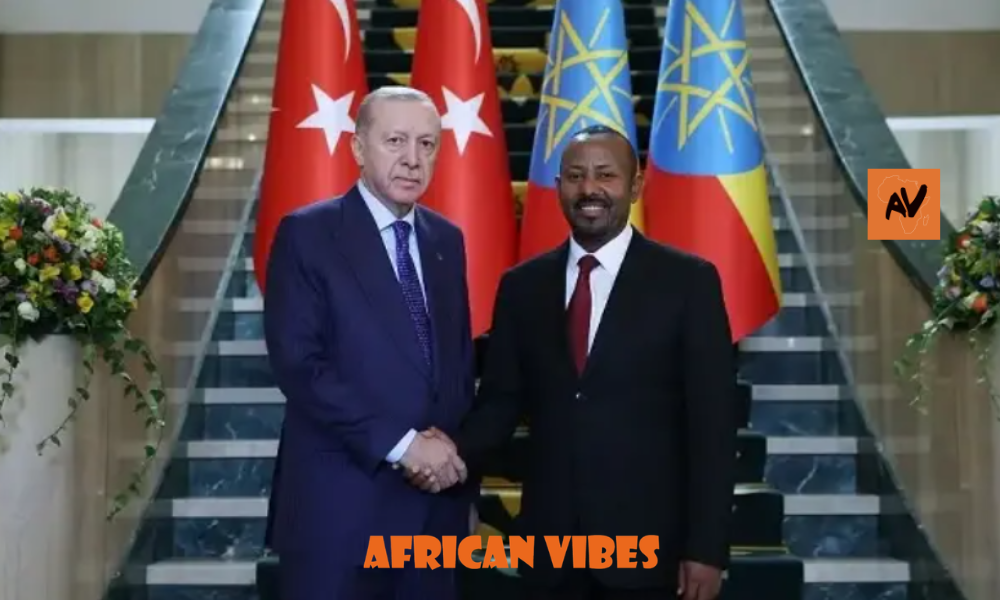
In the span of a single month, Turkish President Recep Tayyip Erdoğan has conducted a masterclass in middle-power diplomacy. First, a high-stakes summit in Ankara with Nigerian President Bola Ahmed Tinubu; then, a high-profile touchdown in Addis Ababa to meet with Ethiopia’s leadership.
The message radiating from the Presidential Complex in Ankara is unmistakable: Turkey is no longer merely an observer of African affairs. It is positioning itself as the indispensable alternative to the “Big Two”—a pragmatic, non-colonial partner arriving at a moment when African nations are increasingly wary of both Western conditionality and Chinese debt traps.
ALSO READ: African Union Agenda 2063: A Promising Trajectory For Africa
A New Architecture of Defense and Dollars
The Ankara-Abuja axis is the clearest bellwether of this shift. While Nigeria has historically leaned on Western security umbrellas, the recent signing of nine Memorandums of Understanding (MoUs) signals a pivot toward Turkish hardware and “South-South” synergy.
At the heart of this $5 billion trade target is a commodity more potent than oil: defense technology. Turkey’s Bayraktar drones have become the “Kalashnikovs of the 21st century”—affordable, battle-tested, and, crucially, sold without the human rights lectures that often accompany American or European arms deals. For President Tinubu, Turkey offers a shortcut to security stabilization and industrial capacity-building that doesn’t require choosing sides in a New Cold War.
The Mediator of the Horn
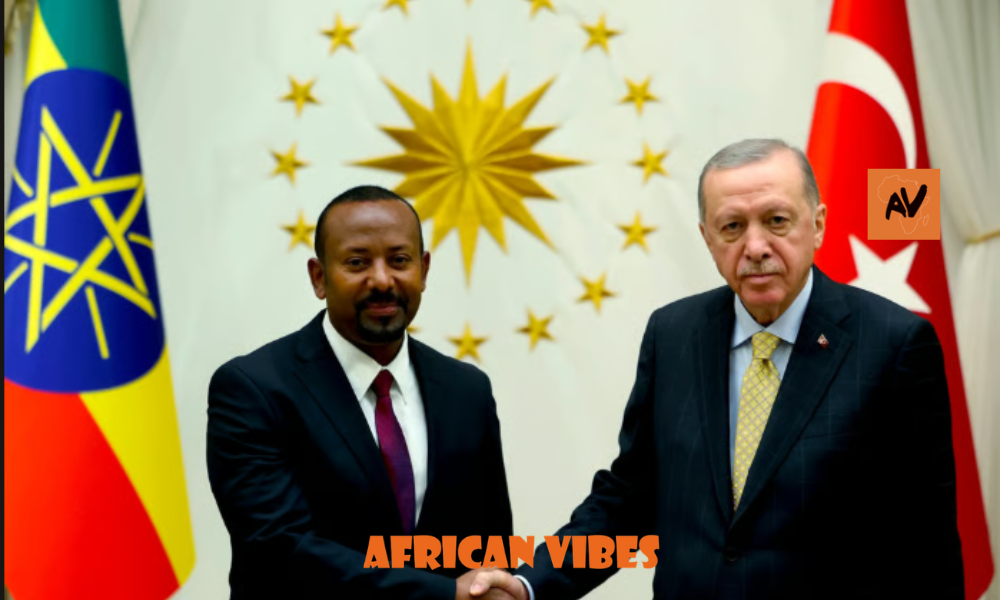
If Nigeria represents Turkey’s economic ambition, Ethiopia represents its diplomatic weight. By engaging Addis Ababa—the diplomatic heartbeat of the continent—Erdoğan is inserting Turkey into the complex friction of the Horn of Africa.
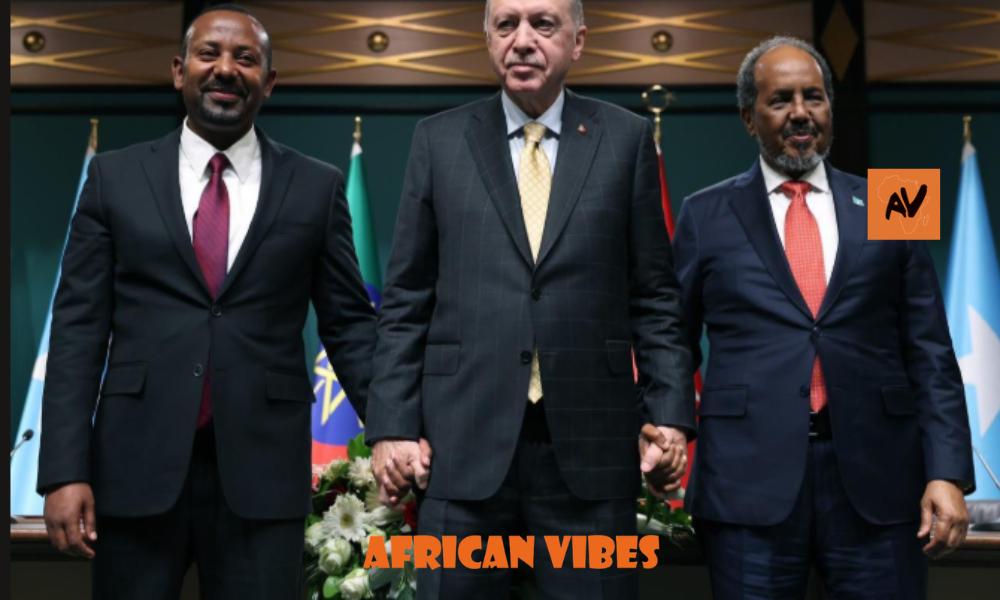
Ankara’s role is increasingly that of a “diplomatic bridge.” By maintaining open lines with both Ethiopia and Somalia, Turkey is filling a vacuum left by a distracted West. It is a calculated gamble: if Turkey can stabilize the Red Sea’s strategic corridors through infrastructure investment and mediation, it secures not just a market, but a maritime legacy.
Beyond the “Extraction” Trap
The brilliance of the Turkish “brand” in Africa lies in its marketing. Unlike the extractive models of the colonial past or the infrastructure-for-resources deals that have defined the last decade, Ankara emphasizes mutual respect and joint production. Turkish construction firms—now among the most prolific contractors on the continent—are not just building roads; they are building a narrative of shared destiny. By targeting $50 billion in continent-wide trade by 2026, Turkey is betting that African leaders are hungry for a “Third Way”—one that prioritizes:
- Technology Transfer: Moving beyond mere procurement to local manufacturing.
- Aviation Connectivity: Leveraging Turkish Airlines to turn Istanbul into the primary gateway for the African middle class.
- Political Parity: Engaging African states as “equal architects” rather than junior partners.
ALSO READ: Nigeria Lands $1.1B Loan for Operation Light Up Nigeria
The Afrocentric Reality Check
Critics may argue that Turkey’s “Neo-Ottoman” outreach is simply a more polite form of influence-seeking. Every power has interests, and Ankara is no exception. However, from the perspective of Lagos or Addis Ababa, the motive matters less than the margin.
The rise of Turkey as a heavyweight player provides African governments with something they have lacked for decades: leverage. The ability to play multiple suitors against one another is the ultimate tool of sovereignty.
The question is no longer whether global powers are “ready” for Africa. The question is whether African leadership can harness this competitive interest to fuel a sustainable, industrial transformation. If the Ankara summits are any indication, the continent is finally moving from the periphery of the global conversation to the very center of the table.
The Cultural Connection: Fashion and Tech
The synergy is perhaps most visible in the private sector. African fashion trends are currently being reshaped by Turkish textile machinery and expertise, creating a hybrid of high-quality manufacturing and authentic African design. Meanwhile, African tech startups in Lagos and Addis are increasingly looking toward Istanbul for venture capital and hardware partnerships, viewing the Turkish “Middle Power” status as a more relatable blueprint for success than the Silicon Valley model.