



In a nation where the hum of generators often drowns out the quiet aspirations of its people, the promise of stable, abundant electricity remains a distant dream for many. Yet, a colossal $2 billion undertaking in Ajebandele, Ondo State, led by the renowned business magnate Dr. Adedeji Adeleke – father of global music sensation Davido – is poised to turn this dream into a tangible reality.
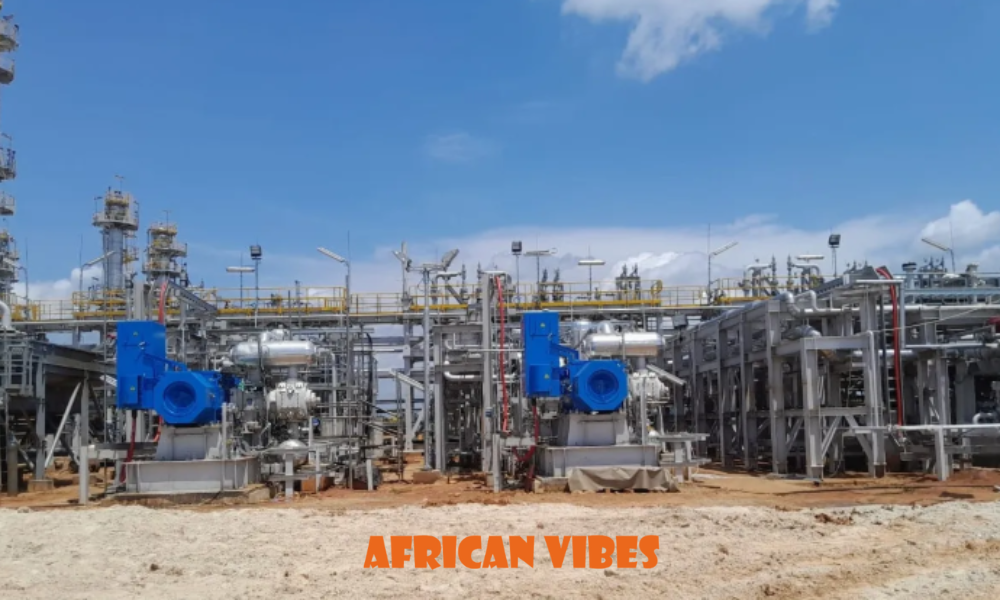
His company, Pacific Holdings Limited, has completed the construction of Nigeria’s largest thermal power plant, a 1,250-megawatt (MW) behemoth, now awaiting crucial grid connection to unleash its transformative potential across the Nigerian energy sector.
This monumental achievement represents a significant leap forward in addressing Nigeria’s persistent power deficit, a challenge that has long stifled economic growth and hampered the quality of life for millions.
At a time when the national grid struggles to consistently dispatch even 5,000MW despite an installed capacity of over 12,000MW, Dr. Adeleke’s bold private investment is a beacon of hope, promising not just megawatts, but a catalyst for widespread economic development and a true African renaissance.
The Visionary Behind the Megaproject: Dr. Adedeji Adeleke’s Bold Bet
Beyond the glitz and glamour associated with his iconic son, Dr. Adedeji Adeleke has carved out a formidable reputation as a shrewd businessman and a dedicated philanthropist. The founder and CEO of Pacific Holdings Limited, his ventures span diverse sectors, from banking and education to civil engineering and energy.
His decision to embark on a project of this magnitude in the power sector stems from a profound understanding of Nigeria’s foundational challenges and a deep-seated commitment to national progress.
“We cannot truly industrialize, we cannot empower our small businesses, and our citizens cannot thrive in a consistent state of darkness,” Dr. Adeleke is known to have passionately stated, echoing the sentiments of millions of Nigerians. His vision for the Ajebandele power plant is not merely about generating electricity; it’s about igniting a new era of productivity, innovation, and stability.
The 1,250MW capacity of this plant is no small feat. To put it into perspective, it could potentially increase Nigeria’s currently available power by over 25%, a seismic shift that promises to alleviate the burden on the overstressed national grid.
This kind of bold private investment in critical infrastructure development serves as a powerful testament to the potential within Nigeria when entrepreneurial spirit is harnessed for national good, inspiring other industrialists to follow suit.

ALSO READ: Ghana Successfully Evacuates Citizens from Iran to Turkey Amid Escalating Middle East Tensions
From Blueprint to Reality: Navigating Challenges in Ajebandele
The journey to completing the Ajebandele power plant has been fraught with challenges, a testament to the African spirit of perseverance that Dr. Adeleke and his team embody. From the initial conceptualization, the project faced its share of bureaucratic hurdles in securing environmental permits and navigating the complex regulatory landscape of Nigeria’s power sector. However, the most significant setback came in the form of a brazen act of vandalism.
Critical turbine components, valued at a staggering $5 million, were brazenly looted from the site. This not only inflicted a substantial financial loss but also caused a year-long delay in the project’s completion. Such incidents are unfortunately not uncommon in large-scale infrastructure projects across the continent, highlighting the need for robust security and community engagement. Yet, rather than deterring them, this incident only strengthened the resolve of Dr. Adeleke and his team.
“It was a difficult moment, a test of our resolve,” a project manager, who wished to remain anonymous due to security concerns, shared with AfricanVibes.com. “But Dr. Adeleke was unyielding. He saw past the immediate setback to the immense benefit this plant would bring to Nigeria.
We doubled down on security, collaborated closely with the local Ajebandele community, and re-ordered the necessary parts.”
The project benefited from strategic partnerships, including global industrial giant GE, which supplied the sophisticated gas turbines, and key Chinese engineering firms that provided expertise in design and construction.
This blend of international partnership and local determination underscores the collaborative spirit driving major African power grid enhancements. The Ajebandele community itself played a crucial role, not only by providing a secure environment after the initial incident but also by supplying a significant local workforce during the construction phase, fostering a sense of ownership and direct benefit.
ALSO READ: Namibia and Botswana Partner to Build Joint Oil Refinery, Target Fuel Independence
A Jolt for the Economy: Impact and Opportunities
The imminent commissioning of the Ajebandele thermal power plant is set to unleash a torrent of positive impacts, reshaping the economic landscape of Ondo State and resonating across Nigeria. The most immediate and tangible benefit is job creation.
The plant is expected to directly employ over 2,000 engineers and associated technical workers, providing high-skilled, sustainable employment opportunities. The ripple effect extends far beyond the plant’s fences, generating numerous indirect jobs in support services, logistics, and local commerce.
More broadly, the consistent and reliable power supply from a plant of this magnitude is a powerful magnet for industrial growth. Businesses that have long grappled with the prohibitive costs of self-generating electricity (often relying on expensive and polluting diesel generators) will see a dramatic reduction in operational expenses.
This will free up capital for expansion, innovation, and job creation, attracting new industries to Ondo State and bolstering existing ones. The prospect of stable power is a key driver for foreign direct investment (FDI), signaling to international investors that Nigeria is serious about creating an enabling environment for business.
For ordinary Nigerians, a more stable national grid means an improved quality of life. From households enjoying consistent lighting and refrigeration to small and medium-sized enterprises (SMEs) able to operate longer and more efficiently, the societal benefits are immense.
Hospitals will have more reliable power for critical equipment, schools can provide better learning environments, and communities can experience enhanced security. The reduction in reliance on noisy, polluting generators will also contribute to a cleaner environment and improved public health, aligning with broader aspirations for a sustainable African power grid.
The Future of Power: Bridging Gaps and Inspiring Progress
While the global conversation increasingly shifts towards renewable energy sources, the reality for a rapidly developing nation like Nigeria is that thermal power remains a crucial component of its immediate energy mix.
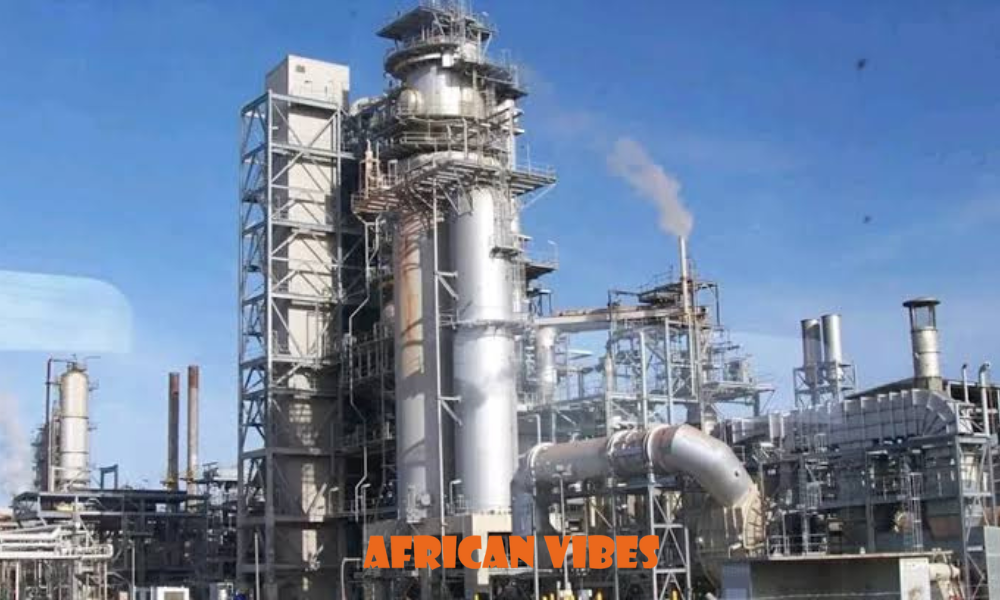
The Ajebandele plant, using natural gas, provides a much-needed baseload capacity to bridge the significant power gap. It serves as a vital bridge while Nigeria continues to explore and develop its vast renewable energy potential, including solar, hydro, and wind.
Dr. Adeleke’s initiative sets a powerful precedent for other private sector players in Africa. It demonstrates that with vision, resilience, and substantial investment, even the most complex infrastructure challenges can be overcome. The success of this project can inspire a wave of similar private-sector-led developments across the continent, fostering a more robust and self-reliant African power grid.
The Nigerian government’s role in creating an enabling environment for such ventures, streamlining regulatory processes, and ensuring the security of critical national assets remains paramount. The seamless integration of this new power source into the national grid and efficient transmission to consumers will be the next crucial step, requiring strong collaboration between Pacific Holdings, the Transmission Company of Nigeria (TCN), and distribution companies.
Conclusion
The completion of Dr. Adedeji Adeleke’s $2 billion thermal power plant in Ajebandele, Ondo State, marks a pivotal moment in Nigeria’s journey towards energy sufficiency and sustainable economic development. It is more than just a power plant; it is a testament to Nigerian ingenuity, private sector leadership, and an unwavering belief in the nation’s potential.
This megaproject embodies the spirit of an African renaissance, where challenges are met with innovative solutions and substantial investment. As the nation anticipates the official commissioning and connection to the grid, the Ajebandele power plant stands as a powerful symbol of progress, promising to illuminate homes, power industries, and ignite a brighter, more prosperous future for all Nigerians.
Dr. Adeleke’s audacious vision has laid a critical cornerstone for a new dawn, one where the hum of machines in factories and the glow of lights in homes become the consistent soundtrack of a nation finally harnessing its immense potential.