



In a swift and strategic move underscoring its commitment to the safety of citizens abroad, the Ghanaian government has successfully evacuated the first group of nationals from Iran to Turkey. This decisive action, led by the Mahama administration, comes amid rapidly deteriorating security conditions in the Middle East, particularly due to the ongoing Iran-Israel conflict.
The operation marks a milestone in Ghana’s foreign policy response and demonstrates the nation’s readiness to protect its diaspora in times of crisis.
A Timely Response to Rising Regional Instability
Tensions between Iran and Israel have surged in recent weeks, raising global concern about a potential full-scale regional conflict. As violence escalated and diplomatic relations grew strained, many nations, including Ghana, began reassessing the safety of their citizens residing in affected areas.
Ghana’s government, after closely monitoring the unfolding situation, took a critical step by closing its embassy in Tehran on June 16, 2025—a move aimed at protecting diplomatic staff and facilitating emergency evacuation logistics. This decision was further prompted by urgent calls from the Minority in Parliament, who raised alarms about the vulnerability of Ghanaians in Iran.
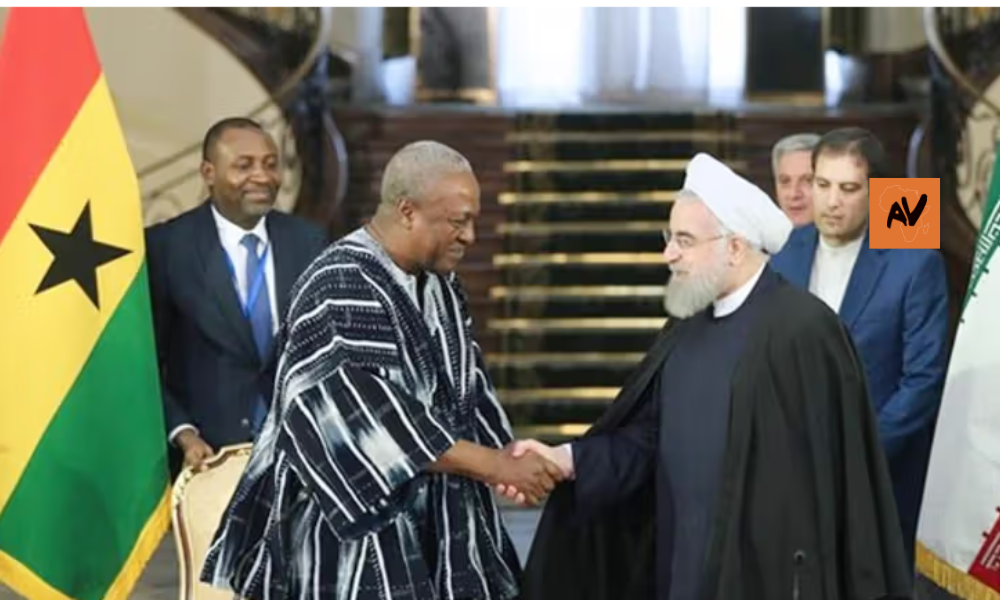
Image Credit Business Insider Magazine
Inside the Evacuation Operation
According to Foreign Affairs Minister Samuel Okudzeto Ablakwa, the first group of evacuees landed safely in Turkey on Friday, June 20, 2025. The minister revealed that this success was the result of intense diplomatic engagements held earlier in the week with both Iranian and Israeli ambassadors. These high-level discussions were instrumental in securing border clearances and guaranteeing safe transit corridors amid heightened security challenges in the region.
The government strategically chose Turkey as the primary evacuation hub due to its political stability, geographic proximity, and strong international transport links, making it an ideal location for further relocation or return to Ghana.
ALSO READ: Namibia and Botswana Partner to Build Joint Oil Refinery, Target Fuel Independence
A Model for Future Evacuations
This operation sets a precedent for subsequent evacuations. The Ghanaian government has already announced plans to evacuate over 900 additional nationals, including 65 students, from Israel, where travel remains restricted due to closed borders and a declared state of emergency.
Ghana is also appealing for logistical and humanitarian support from key international partners such as the European Union to assist in these ongoing efforts. With diplomatic channels firmly engaged, the government is moving swiftly to ensure no citizen is left behind.

Broader Implications: Protection, Preparedness, and Partnerships
The successful evacuation from Iran not only underscores Ghana’s robust diplomatic capacity but also sparks a broader conversation around citizen protection, diaspora safety, and emergency preparedness. It showcases Ghana’s proactive foreign policy approach and its ability to respond to international crises with agility and coordination.
This action is especially significant for the Ghanaian diaspora, offering reassurance to families concerned about loved ones in conflict-prone regions. It also reinforces the growing importance of regional partnerships—with Turkey playing a key role—and the critical value of African diplomatic voices in global conflict zones.
A Moment of Pride and Caution
As Ghana continues evacuation efforts in other parts of the Middle East, particularly Israel, this success story stands as a testament to the nation’s dedication to protecting its people—no matter how far from home. It also serves as a call for African nations to invest in comprehensive evacuation frameworks, ensuring they can support their citizens swiftly in times of need.
At AfricanVibe, we applaud this powerful example of leadership and diplomacy in action. Ghana’s commitment to safeguarding its people, its swift coordination with international partners, and its clear communication strategy reflect the kind of resilience and governance Africa needs during global crises.