


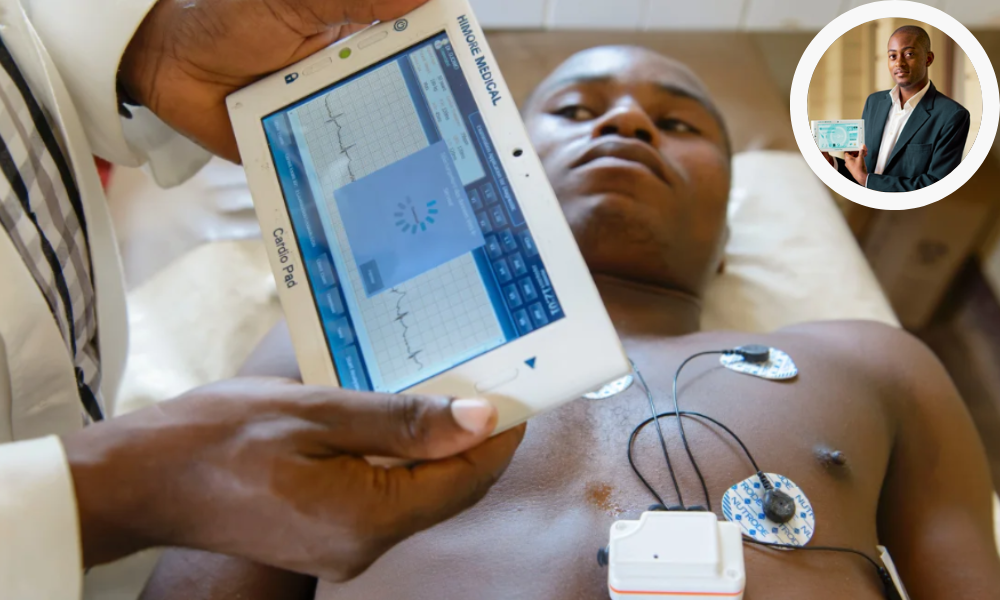
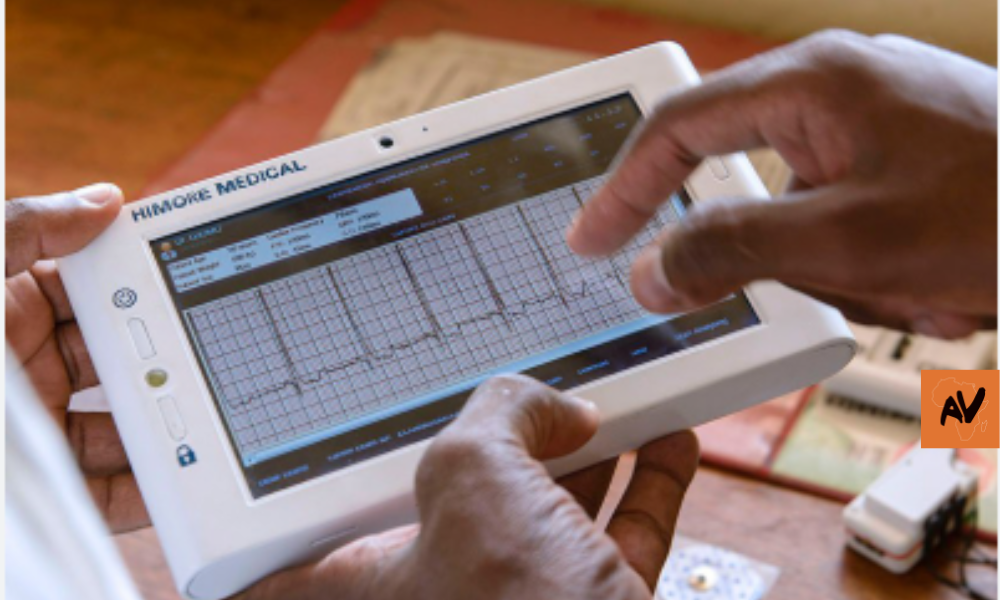
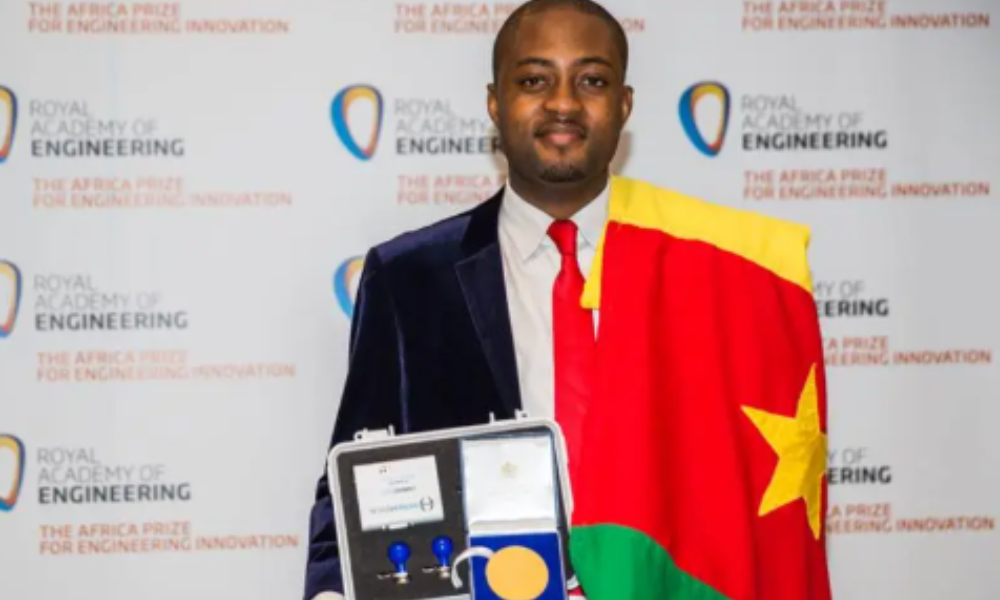
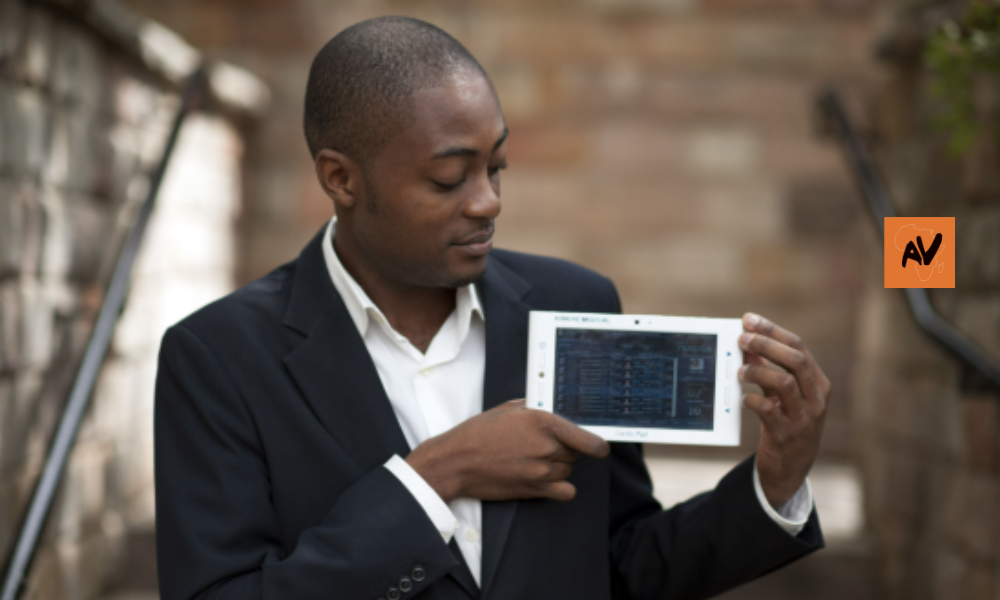
The Cardiopad, a touchscreen medical tablet developed by Cameroonian engineer Arthur Zang, enables remote heart disease diagnosis in rural areas by performing electrocardiograms (ECGs) and transmitting results to urban specialists. This innovation addresses critical healthcare gaps in regions like sub-Saharan Africa, where only 50 cardiologists serve 48 countries, and rural residents face significant barriers to specialist care.
How Tablet-Based Cardiac Diagnostics Operate
- Data Collection: Rural healthcare workers attach electrodes to patients, with the tablet recording cardiac electrical activity through custom software.
- Wireless Transmission: Results are sent via mobile networks to cardiologists in urban centers, overcoming distance barriers.
- Remote Diagnosis: Specialists interpret data and recommend treatment plans, often within 20 minutes.
ALSO READ: Women Empowerment Through Sustainable Entrepreneurship
Key Benefits for Rural Communities
- Access: Reaches 52.5% of Cameroon’s rural population who previously lacked cardiac care access.
- Cost Reduction: Eliminates expensive urban referrals, saving patients an average of $380 per consultation in sub-Saharan Africa.
- Timely Intervention: Early detection reduces complications from conditions like hypertension, which affects 80 million Africans.
How Does the Cardiopad Compare to Other Digital Health Interventions for Heart Disease?
The Cardiopad demonstrates unique advantages for rural cardiac care compared to other digital health interventions, though its capabilities differ from smartphone-based systems and wearable technologies. While most mobile health (mHealth) systems focus on remote monitoring, medication tracking, and patient education, the Cardiopad is specifically designed for clinical-grade ECG acquisition.
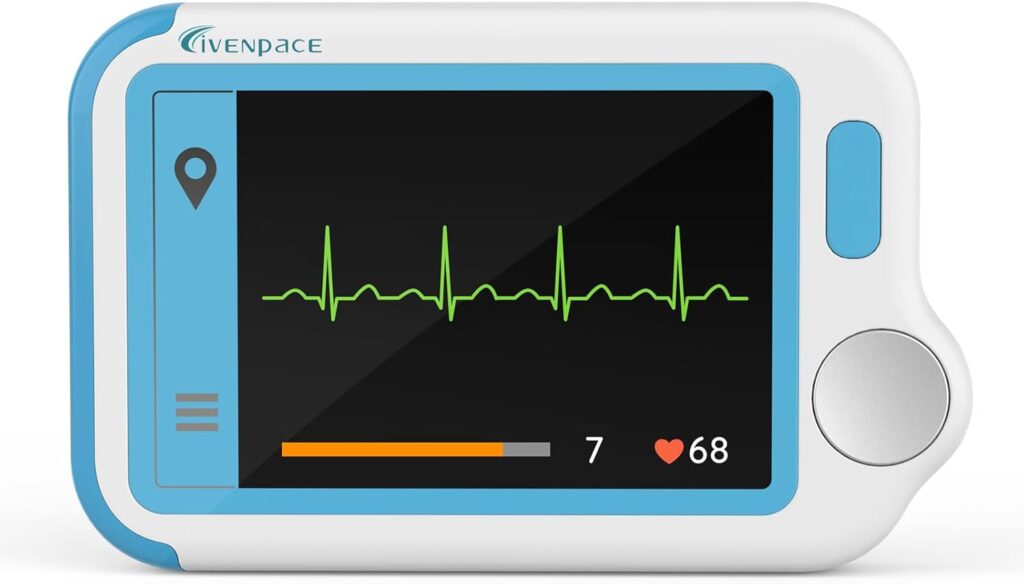
Unlike smartphone-connected ECG devices like KardiaMobile, which primarily detect atrial fibrillation, the Cardiopad provides full 12-lead ECGs, allowing for more comprehensive diagnoses. Additionally, its offline functionality and robust design make it more suitable for regions with limited internet access and unreliable infrastructure.
Compared to wearable heart monitors, which emphasize continuous monitoring, the Cardiopad excels in immediate diagnostic accuracy, enabling timely interventions by healthcare professionals. However, while it effectively bridges the diagnostic gap in low-resource areas, it lacks features like predictive analytics and chronic disease management tools found in advanced mHealth platforms.
By integrating Cardiopad technology with telemedicine networks and AI-powered diagnostics, healthcare providers can create a more holistic approach to cardiovascular care in underserved regions.
Complementary Digital Health Approaches
Recent developments expand on this model:
- US Mobile Clinics: The MARCUS platform integrates tablet-based diagnostics with modular electric vehicles, deploying advanced cardiac monitoring to rural America.
- Telemedicine Networks: Academic medical centers use hybrid models where patients visit local clinics for tablet-assisted specialist consultations, improving care coordination.
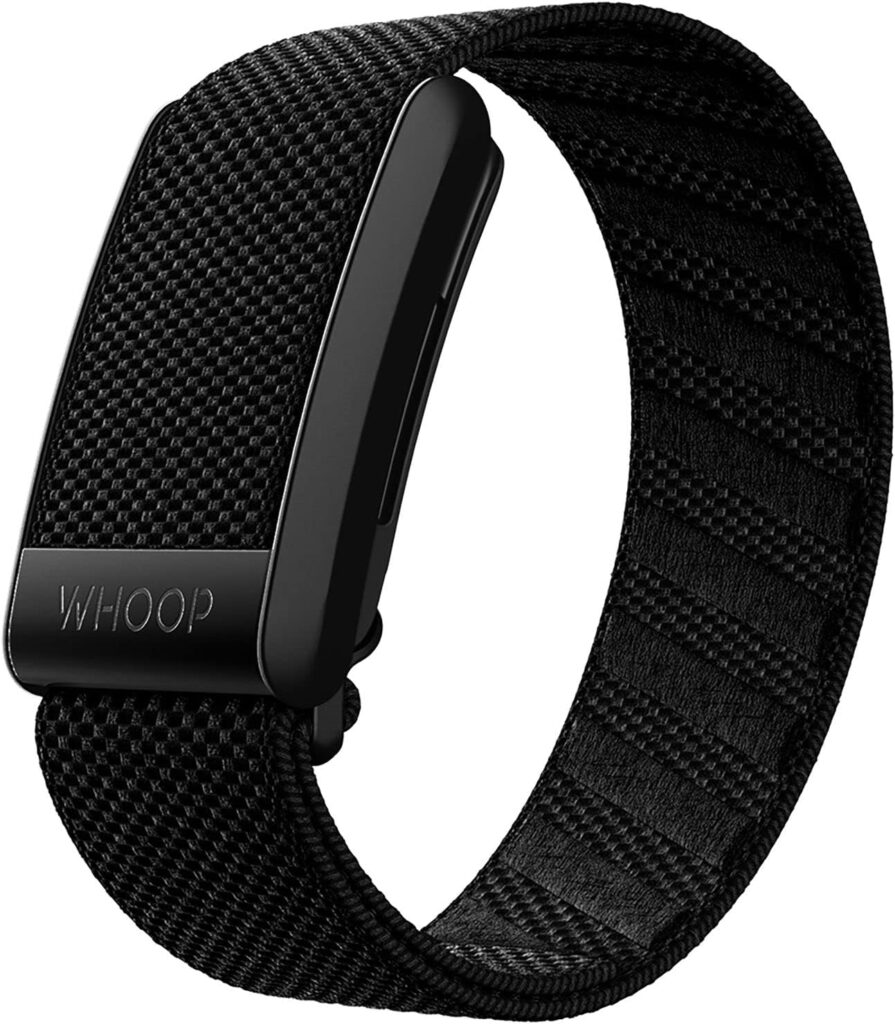
- Wearable Integration: Emerging IoT systems combine tablet data with continuous vital sign monitoring through AI-powered wearables.
Challenges and Considerations
| Factor | Rural Challenge | Technological Solution |
|---|---|---|
| Specialist Access | 0.5 cardiologists/100k people | Telecardiology networks |
| Infrastructure | 37% broadband penetration | Offline-first data storage |
| Healthcare Literacy | 42% medication adherence rates | Multilingual interfaces |
While these technologies show promise (83% diagnostic accuracy in field trials), sustainable implementation requires addressing systemic issues like electrical grid reliability and staff training. Current projects like ARPA-H’s $26 million PARADIGM initiative aim to create scalable models combining mobile units with tablet-based diagnostics by 2027.