


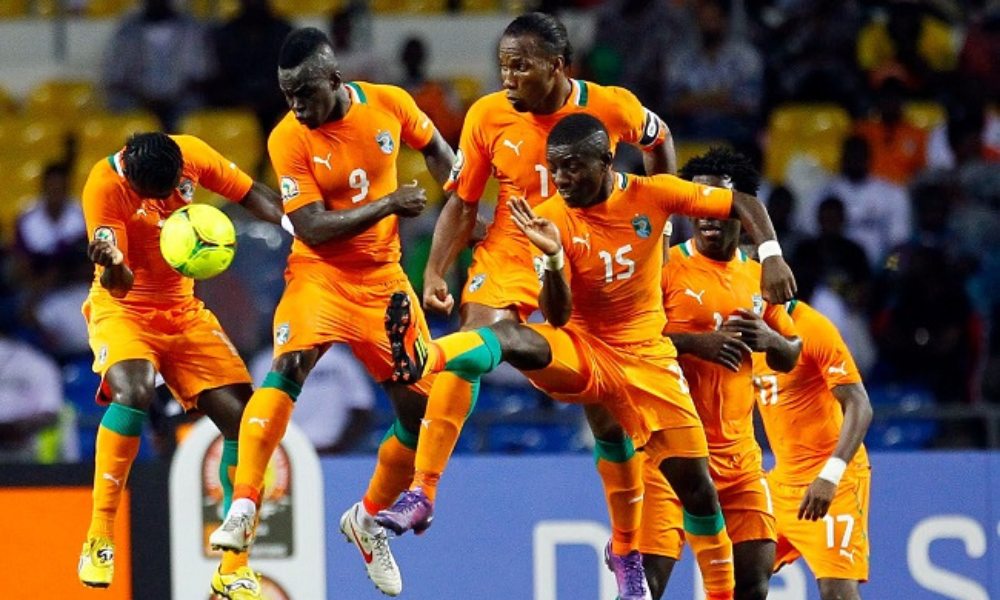
The road to the 2026 FIFA World Cup is heating up, and African teams are fiercely competing for a coveted spot in the global tournament. With a new qualification format under the Confederation of African Football (CAF), only the top teams will make it to the final showdown in Canada, Mexico, and the United States.
African Qualification Format for the 2026 FIFA World Cup
1. Group Stage Format
Africa’s World Cup qualifiers follow a structured group-stage format designed to be competitive and inclusive. A total of 54 teams are divided into nine groups of six. Each team plays home and away matches against all other group members, ensuring fairness in the competition. At the end of the group stage, only the nine group winners qualify directly for the World Cup.
2. Playoff System
While group winners secure direct entry, teams that finish as the best-performing runners-up still have a chance to qualify. The four best runners-up enter a single-leg semifinal and final playoff. The winner of this final match advances to the inter-confederation playoffs, where they face teams from other continents for an additional World Cup spot. This system creates high-stakes encounters and adds unpredictability to Africa’s qualification journey.
ALSO READ: A Historic First: Three East African Nations Team Up for AFCON 2027
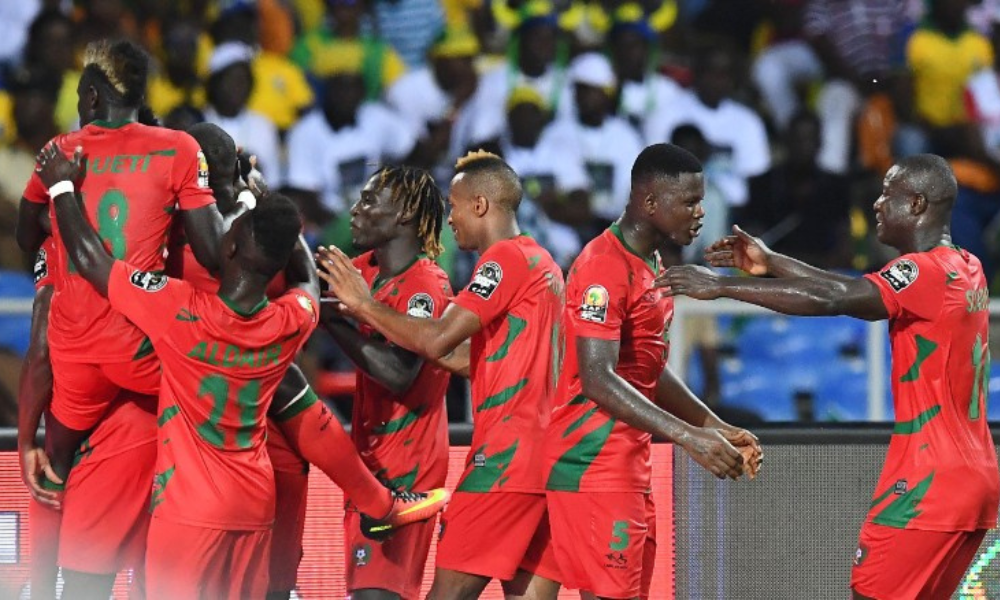
Latest Standings and Key Match Results
Group A
- Egypt – 16 points (Leading)
- Burkina Faso – 11 points
- Sierra Leone – 8 points
- Notable Result: Egypt 1-0 Sierra Leone
Group B
- DR Congo – 13 points (Leading)
- Senegal – 12 points
- Sudan – 12 points
- Notable Result: DR Congo 2-0 Mauritania
Group C
- South Africa – 13 points (Leading)
- Rwanda – 8 points
- Benin – 8 points
- Notable Result: Rwanda 0-0 Zimbabwe
Group D
- Cape Verde – 13 points (Leading)
- Cameroon – 12 points
- Libya – 8 points
- Notable Result: Cameroon 3-0 Mauritius
Group E
- Morocco – 15 points (Leading)
- Niger – 6 points
- Tanzania – 6 points
- Notable Fact: Morocco has won all its matches so far
Group F
- Ivory Coast – 16 points (Leading)
- Gabon – 15 points
- Burundi – 10 points
- Notable Result: Ivory Coast 9-0 Seychelles
Group G
- Algeria – 15 points (Leading)
- Mozambique – 12 points
- Botswana – 9 points
- Notable Result: Algeria 3-1 Somalia
Group H
- Tunisia – 16 points (Leading)
- Namibia – 12 points
- Liberia – 10 points
- Notable Result: Tunisia 4-0 São Tomé and Príncipe
Group I
- Ghana – Leading
- Notable Result: Ghana 1-0 Madagascar
Top Teams and Key Trends
- Egypt and Tunisia continue to showcase dominance in their respective groups.
- Morocco remains unbeaten, reinforcing its reputation as one of Africa’s strongest football nations.
- Ivory Coast has displayed outstanding form with a massive goal difference, including an impressive 9-0 win over Seychelles.
- Algeria and Ghana are also on track for qualification, showing consistent performances throughout the campaign.

Challenges Facing Teams in World Cup Qualifiers
1. Travel and Logistics Challenges
One of the biggest hurdles African teams face is travel. World Cup qualifiers require teams to travel vast distances across multiple countries, often with limited direct flight options. Long journeys, layovers, and visa restrictions can lead to fatigue and disrupted schedules. Some teams arrive at match venues just days before crucial games, leaving little time for acclimatization and preparation. These travel difficulties put visiting teams at a disadvantage against home teams that are already adjusted to local conditions.
2. Harsh Environmental Conditions
African qualifiers take place in a wide range of climates, from intense heat to heavy rainfall. Extreme temperatures can slow down the pace of the game and require frequent hydration breaks, while sudden downpours can lead to waterlogged pitches that affect ball control and passing accuracy. Players must adapt quickly to these conditions, as they can dramatically impact match performance and strategy.
3. Poor Infrastructure and Pitch Quality
Many stadiums across Africa suffer from inadequate infrastructure, including poor lighting, uneven fields, and limited seating capacity. These conditions can disrupt a team’s ability to play technical football and often favor a more physical style of play. Poor pitch maintenance makes ball movement unpredictable, forcing players to rely on long balls and aerial duels rather than precision passing. For visiting teams, adjusting to inconsistent pitch conditions is an added challenge that can impact performance.
4. High-Altitude Matches and Oxygen Challenges
Playing at high altitudes, such as in Ethiopia or South Africa, presents another challenge. Reduced oxygen levels at higher elevations can significantly impact a player’s stamina and endurance, making it harder to maintain a high-energy performance. Teams that are unaccustomed to playing at altitude may struggle, giving home teams a natural advantage. To combat this, visiting teams often arrive early to acclimatize, but limited travel budgets sometimes make this impossible.
5. The Influence of Passionate Home Crowds
African football fans are known for their passionate and energetic support, creating an intense atmosphere during World Cup qualifiers. While this support boosts home teams, it can be intimidating for visiting teams. In some cases, crowd behavior—such as referee intimidation, pitch invasions, or excessive noise—can disrupt matches and impact fair play. Managing the pressure of these high-energy environments is crucial for visiting teams hoping to secure victories on the road.

Potential Playoff Contenders
With only the group winners earning direct qualification, the second-placed teams are locked in a tight battle for a chance to enter the playoffs. Nations like Senegal, Cameroon, Rwanda, and Namibia are fighting hard to keep their World Cup hopes alive.
What’s Next?
As the qualifiers progress, expect more thrilling matchups and fierce competition as African teams strive to secure their place on the world’s biggest football stage. Stay tuned for updates on the 2026 FIFA World Cup African qualifiers as the race intensifies!