


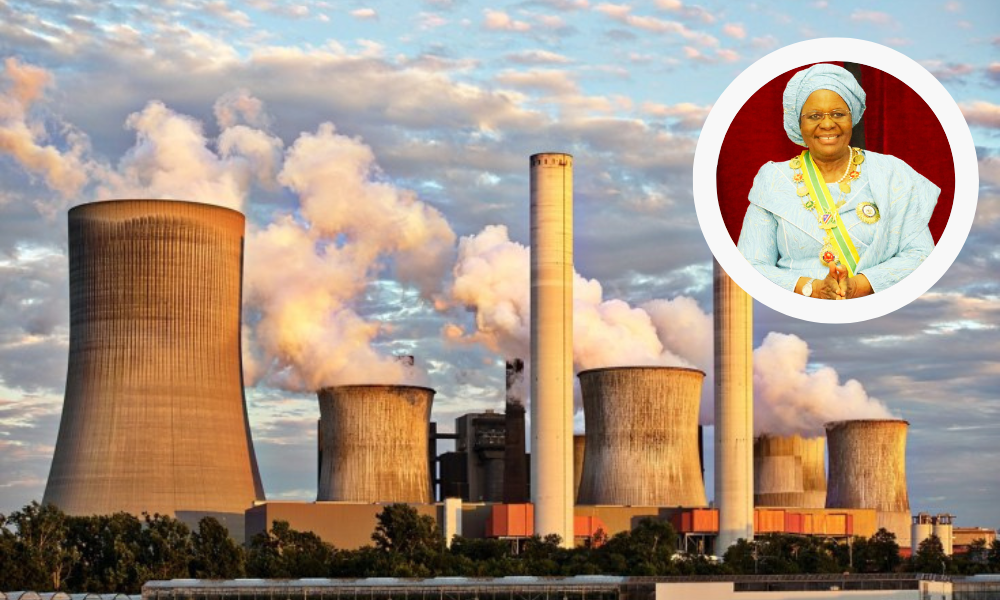
Namibia Bold Nuclear Vision. Namibia is entering a transformative era in energy policy. President Netumbo Nandi-Ndaitwah’s recent call for the establishment of a domestic nuclear power plant has sparked widespread interest and support, both at home and abroad.
Backed by Namibia’s vast uranium reserves, the push toward nuclear energy reflects a strategic shift aimed at boosting national development, energy security, and economic diversification. At the heart of Namibia’s nuclear ambitions are international partnerships that bring in the expertise, investment, and strategic leverage needed to power the country’s future.
Harnessing Homegrown Power
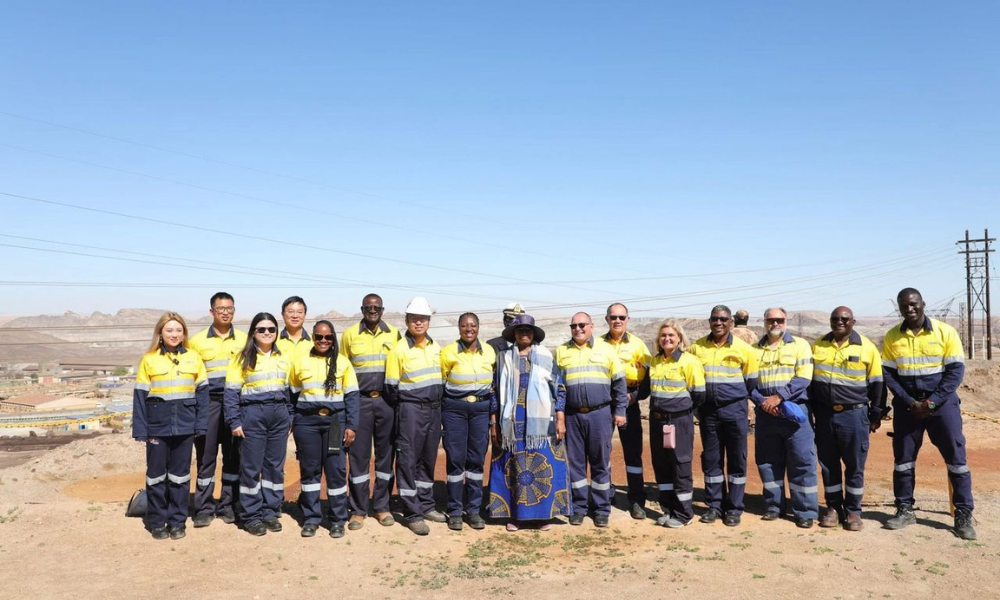
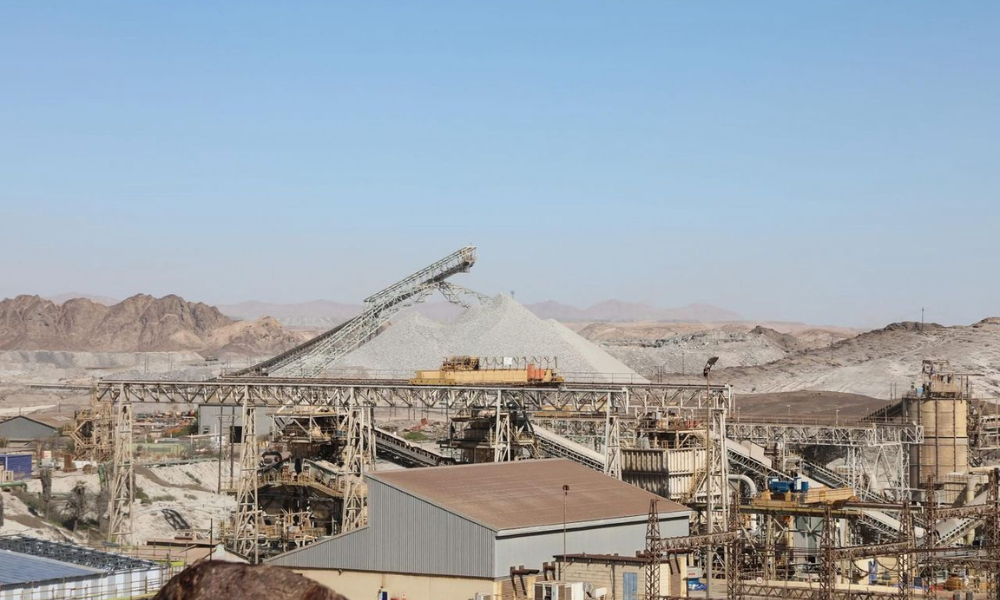
During her landmark visit to the Rössing Uranium Mine, President Nandi-Ndaitwah emphasized that Namibia, one of the world’s top uranium producers, must leverage its resources for peaceful purposes—particularly nuclear energy. “There is no dream too big to achieve,” she declared. “Let’s start moving towards a nuclear power plant in Namibia.”
This vision aligns with long-term energy goals: diversifying the country’s power sources, reducing dependence on electricity imports, and achieving industrial self-reliance.
A New Era of Energy Security and Growth
The President’s nuclear vision is not just about energy; it’s about national empowerment. With plans to add value within the mining sector, the initiative aims to fuel local industries, generate high-skilled employment, and create entrepreneurial opportunities—especially for Namibia’s youth.
The recent extension of the Rössing Uranium Mine’s life to 2036 is now more than a business decision; it’s a foundation for a national energy revolution.
The Power of International Partnerships
Realizing a nuclear-powered Namibia isn’t a journey the country can take alone. That’s where international partnerships come in. Countries like Russia and China have stepped forward, offering technical expertise, training programs, and significant financial investment.
- Russia has proposed a $450 million investment, including infrastructure for uranium processing, research facilities, and training centers like the planned Nuclear Science and Technology Centre in Windhoek.
- China is reportedly in talks to invest $1.2 billion into uranium enrichment and energy infrastructure, highlighting Namibia’s global appeal as an energy investment hub.
These partnerships are not only about building power plants—they’re about building people. Training Namibian specialists in reactor operations, radiation safety, and advanced uranium processing ensures long-term sustainability and knowledge transfer.
A Strategic and Balanced Approach
President Nandi-Ndaitwah’s administration is wisely pursuing a multi-partner strategy to maintain sovereignty and avoid overreliance on any one nation. This geopolitical balance enables Namibia to access diverse technologies, financial packages, and regulatory expertise while retaining control over its uranium and energy future.
The European Union has also expressed interest in clean energy partnerships with Namibia, further strengthening the country’s position in Africa’s green transition.
ALSO READ: Namibia Ends Visa-Free Travel for Non-Reciprocating Countries
Roadblocks Ahead, But the Path Is Clear
Building a nuclear energy sector is no small feat. Regulatory frameworks, environmental safeguards, skilled personnel, and infrastructure development are all necessary—and complex—requirements. Social and environmental responsibility will also be critical, with the president urging mining companies to prioritize workers’ rights and community well-being.
Still, the momentum is unmistakable. The mining sector has expressed support, and political leaders across the spectrum—including opposition parties—are on board.
What challenges could Namibia face in developing a nuclear power plant
1. Limited Infrastructure and Expertise
Namibia lacks the technical infrastructure and skilled professionals needed to design, build, and operate a nuclear power plant. Building up this capacity will require years of investment in education, vocational training, and advanced facilities.
2. Massive Capital Requirements
Constructing a nuclear facility comes with a hefty price tag. Namibia will need to secure international funding and navigate financial risks amid existing economic constraints, including low reserves and limited foreign direct investment.
3. Water Availability
Nuclear reactors require a consistent and significant water supply for cooling. In Namibia’s dry climate, this poses a serious hurdle. While building plants near the coast is a potential solution, it would likely drive up costs and technical demands.
4. Regulatory and Legal Frameworks
A strong legal and regulatory foundation is crucial for nuclear safety and oversight. Namibia currently lacks a comprehensive nuclear policy, which is essential for governing everything from plant construction to waste management.
5. Public Trust and Perception
Nuclear energy often faces public skepticism due to safety fears, waste concerns, and environmental risks. Without clear communication and community engagement, public resistance could slow or derail progress.
6. Site Selection and Environmental Risk
Finding a safe, sustainable location is a challenge. Any proposed site must meet strict environmental and geological standards—especially in areas vulnerable to seismic activity or lacking access to stable cooling sources.
7. Long Timelines and Risk of Delays
Nuclear energy projects take time—often decades—to plan, build, and launch. Namibia must prepare for a long-term process, potentially starting with smaller modular reactors before expanding capacity over time.
ALSO READ: Gazprom’s Uncovers 50 Billion Barrels of Oil in Burkina Faso
Potential benefits of a nuclear power plant for Namibia
1. Energy Independence
By producing its own nuclear power, Namibia can reduce reliance on electricity imports from countries like South Africa. This boosts national energy security and shields the country from regional supply disruptions and price volatility.
2. Using Local Uranium
Namibia is one of the world’s top uranium producers. Instead of exporting raw materials, it can now add value at home by using its own uranium to generate energy—creating a self-sustaining fuel cycle and reducing dependence on external suppliers.
3. Stable Power Supply
Unlike solar or wind, nuclear power delivers consistent electricity 24/7. This reliability is vital for running hospitals, factories, data centers, and other essential infrastructure—supporting both economic and social development.
4. Job Creation and Economic Growth
Building and maintaining a nuclear plant would generate thousands of jobs in construction, engineering, and operations. It would also encourage local training programs, entrepreneurship, and upskilling—especially for Namibia’s youth.
5. Clean, Low-Carbon Energy
Nuclear energy produces minimal greenhouse gas emissions during operation. As Namibia works toward climate goals, nuclear power offers a cleaner alternative to fossil fuels, helping reduce the country’s carbon footprint.
6. Stronger Global Influence
With a nuclear program, Namibia could position itself as a regional energy leader. It would increase the country’s geopolitical clout and make it a more influential player in international energy and climate discussions.
Conclusion
Namibia’s nuclear dream is bold, but not far-fetched. Backed by its uranium wealth and guided by strong leadership and strategic partnerships, the country is poised to redefine its energy future. As President Nandi-Ndaitwah noted, this is a collective effort. If successful, Namibia won’t just power its homes and industries—it will power a continental example of innovation, sovereignty, and sustainable development.