


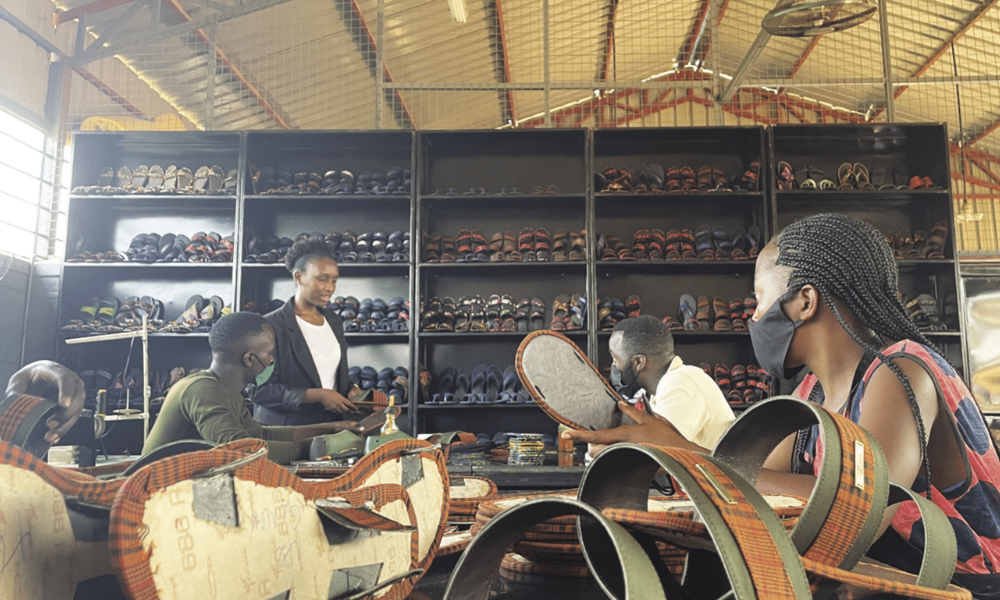
How can sustainable innovation transform waste into opportunity?. In the heart of Kigali, Rwanda, two young women, Kevine Kagirimpundu and Ysolde Shimwe, are rewriting the narrative of women in business. As founders of Uzuri K&Y, which a brand using recycled tires to make eco-friendly footwear brand, their journey epitomizes the power of women empowerment, resilience, and sustainable innovation. From humble beginnings in 2012 to an internationally recognized brand, their story serves as a blueprint for aspiring women entrepreneurs across Africa and beyond.
“We wanted to be different but also be part of the problem-solving process because Rwanda at the time was banning plastic bags, which was such a huge inspiration for us. So, we thought how do we play a part in that and how do we contribute?” Kagirimpundu said. “We thought this creates something that would become a source of income for ourselves but also for other young people like us.”
Breaking Barriers and Redefining Opportunities
Starting a business as young women in a competitive industry came with its fair share of challenges. Like many women entrepreneurs, Kagirimpundu and Shimwe faced limited access to funding, a lack of mentorship, and skepticism toward local brands.
However, they didn’t give up; they transformed their vision into a reality, proving that women are capable of not just participating in the business world but also excelling in it. Their story have been covered on Forbes. They prove the importance of self-reliance, adaptability, and breaking stereotypes.
Sustainability and Social Impact
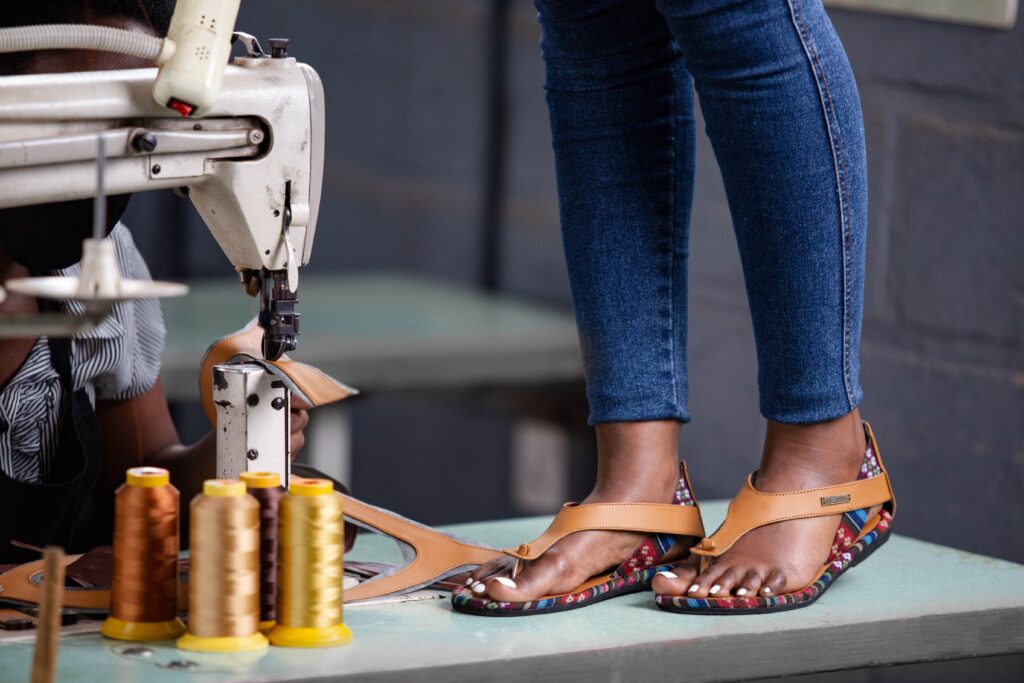
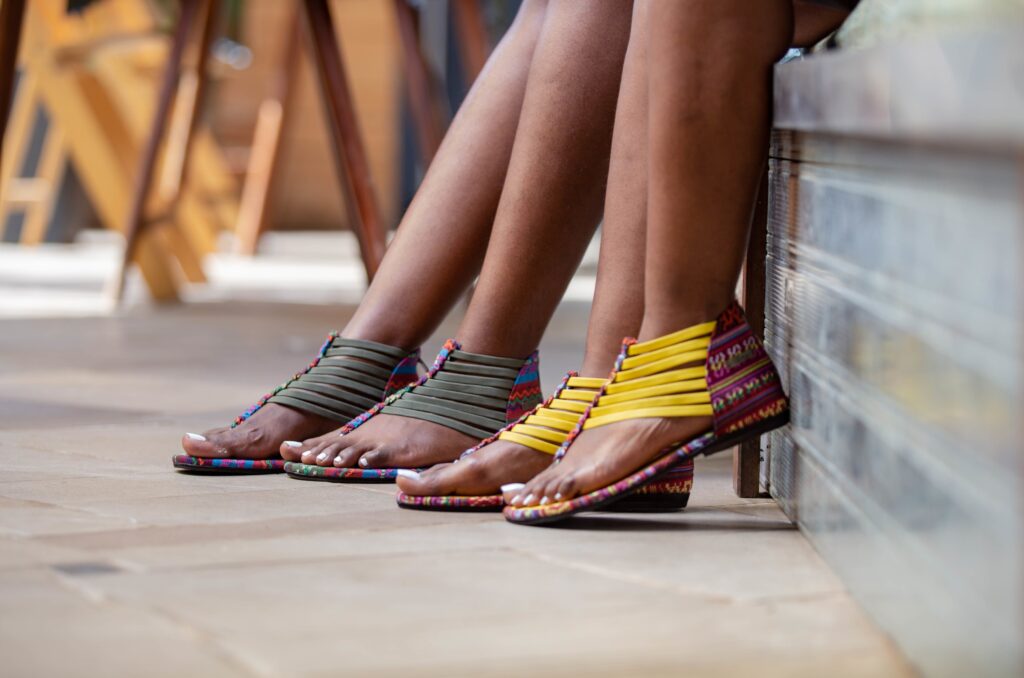
Women-led businesses often prioritize community and environmental sustainability, and Uzuri K&Y is no exception. By repurposing rubber from non-biodegradable tires and using biodegradable fabrics, the brand champions a circular economy.
Their mission extends beyond profits—they are committed to reducing Rwanda’s greenhouse gas emissions and promoting eco-conscious consumerism. This demonstrates how women in business can be powerful catalysts for change, integrating sustainability with financial success.
“We wanted to be different but also be part of the problem-solving process because Rwanda at the time was banning plastic bags, which was such a huge inspiration for us. So, we thought how do we play a part in that and how do we contribute?” Kagirimpundu said, according to CNN.
ALSO READ: Kimberly Anyadike’s Historic Flight Across the United States
Job Creation and Economic Empowerment
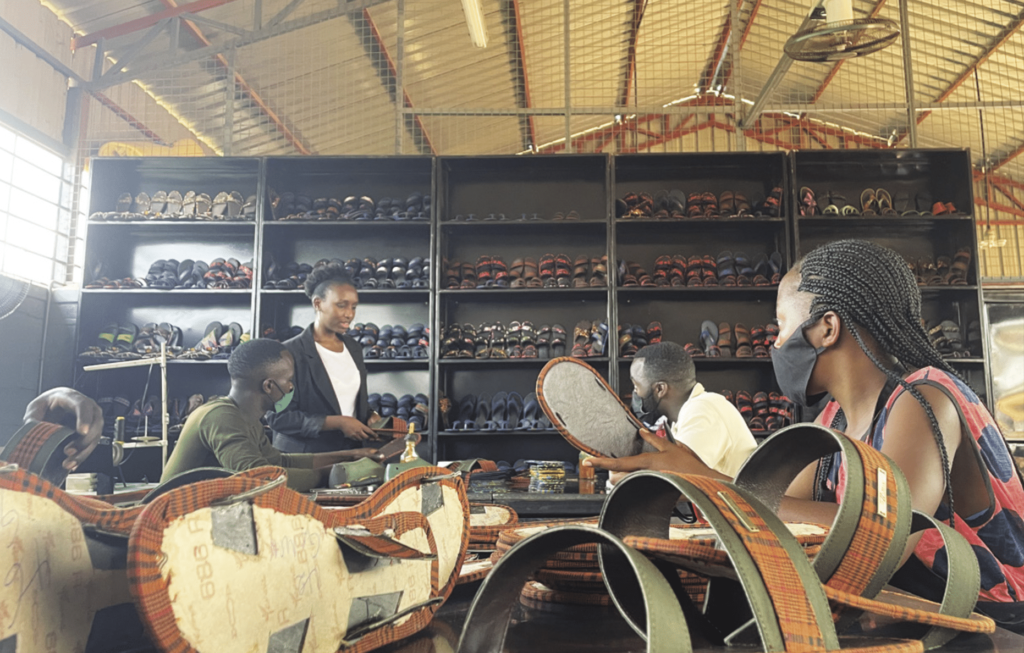
Uzuri K&Y is more than just a footwear brand; it is a movement that empowers Rwandan communities. The company employs over 40 people, most of whom are women, and provides them with skills training and stable incomes. This aligns with the broader global goal of women’s economic empowerment—when women are given economic opportunities, they uplift entire communities, fostering growth and stability.
Overcoming Challenges and Scaling Up
From delivering shoes on moto-taxis to selling over 44,000 pairs of footwear and generating $300,000 in revenue, Uzuri K&Y’s growth is a testament to perseverance. The duo adapted to the shifting market during the pandemic, successfully pivoting to cater to local consumers when international sales declined. Their ability to navigate challenges illustrates the resilience of women entrepreneurs and their ability to thrive even in the face of adversity.
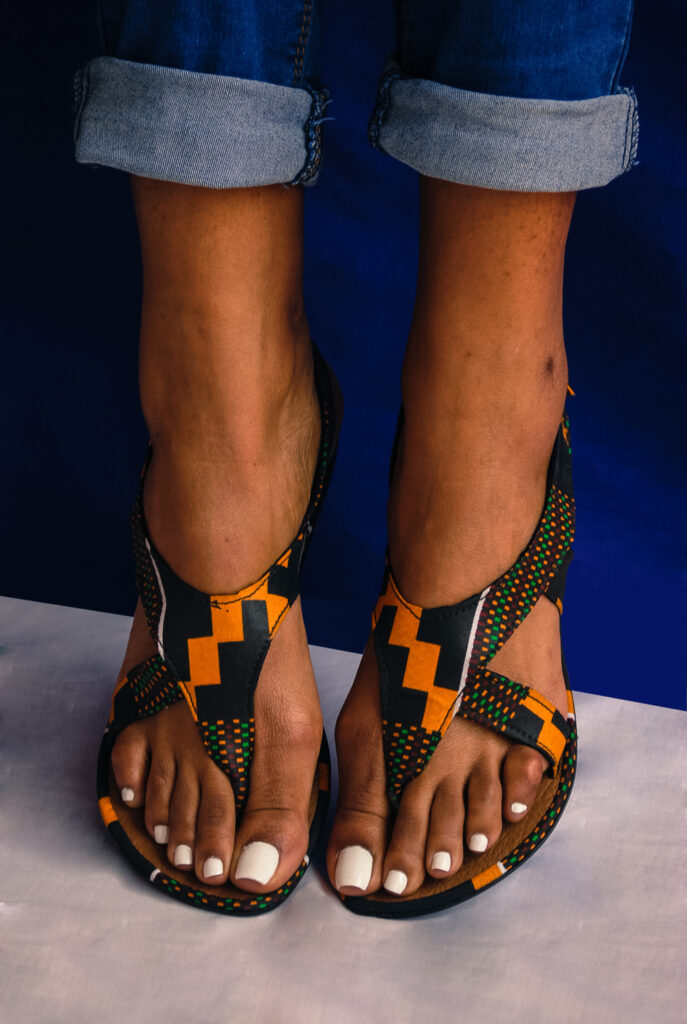
Reflecting on the company’s humble beginnings, Kagirimpundu said one of the biggest challenges was a lack of skilled labor. “Nobody knew how to make shoes,” she said, so she decided to set up a training program to teach locals the skills they need to become artisans and entrepreneurs.
ALSO READ: Ebele Ojechi’s “For the Glory” A Fusion of Chelsea FC and Igbo Heritage
Inspiring the Next Generation
Kagirimpundu and Shimwe have not only built a successful brand but have also paved the way for future generations of female entrepreneurs. By investing back into their business and employees, they exemplify the spirit of mentorship and empowerment. Their success highlights the importance of education, skill-building, and access to resources in fostering women’s entrepreneurship.
Kagirimpundu says 1,500 young people have gone through the program, about 70% of them women. She added that it’s “priceless” to give a woman a steady income when Rwanda has an unemployment rate of 13%, 14.5% for women.
“It’s the whole collective of women working together to create something big, something important,” she said.

Conclusion: The Power of Women in Business
The Uzuri K&Y journey is a beacon of hope for aspiring women entrepreneurs worldwide. It underscores the impact of female-led businesses in driving economic growth, championing sustainability, and challenging gender norms. By supporting and investing in women entrepreneurs, we create a more inclusive and prosperous future for all.