


Africa is undergoing a quiet but powerful transport revolution—driven not by global giants, but by homegrown mobility startups. These innovators are solving real African problems using clean energy, digital tools, and financial inclusion models to reshape how people and goods move across cities and rural landscapes.
In this guide, we spotlight five African mobility startups leading the charge in 2025—and how they’re building a sustainable, inclusive transport ecosystem from the ground up.
5 startups leading Africa’s mobility revolution
1. ⚡ Roam (Kenya): Pioneering Electric Transport for African Roads
Roam (formerly Opibus) is Kenya’s leading electric vehicle manufacturer. The Nairobi-based startup is designing and assembling electric motorcycles, buses, and utility vehicles specifically for African conditions.
What Makes Roam a Game-Changer:
- First local producer of electric buses in Kenya
- Integrated solar-powered EV charging infrastructure
- Recently launched the Roam Air e-bike, tailored for boda boda riders
- Partnered with governments and logistics firms for wide-scale EV deployment
✅ Impact:
- Up to 60% lower operational costs for riders
- Zero tailpipe emissions
- Scalable for public and private fleet adoption
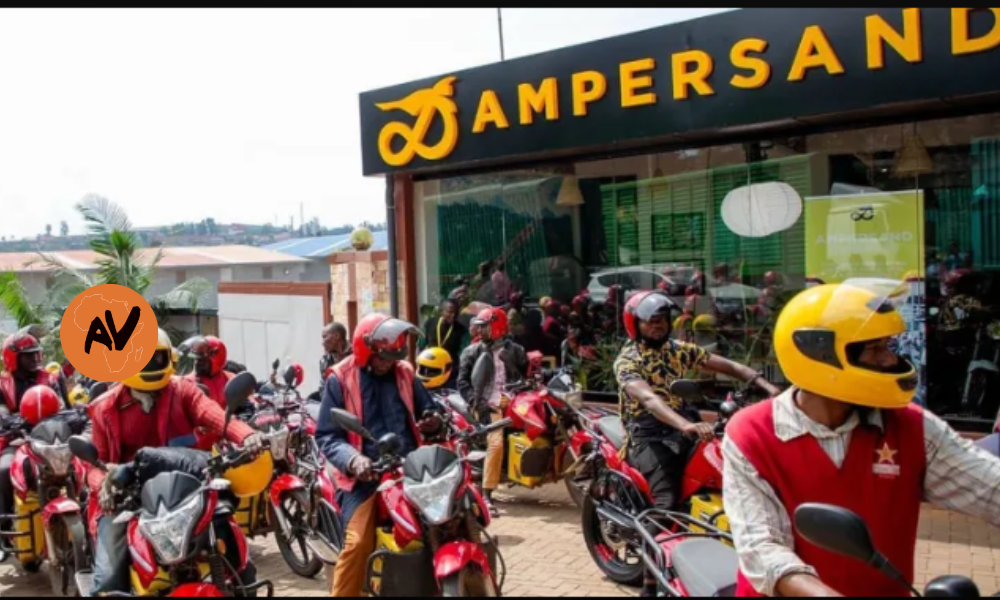
2. Ampersand (Rwanda/Kenya): Battery Swapping for Electric Motorcycles
Ampersand is rethinking two-wheeler transport through electric motorcycles paired with battery swapping stations. This pay-as-you-go model eliminates the high upfront cost of battery ownership.
Why Ampersand Leads in EV Innovation:
- Operates solar-powered battery swap kiosks
- Serves thousands of riders in Rwanda and expanding across Kenya
- Backed by UN Environment and climate-focused VC funds
✅ Impact:
Boosts energy access via off-grid solar tech
Reduces fuel imports and emissions
Enables low-cost e-mobility for gig workers and delivery riders
3. ???? Shuttlers (Nigeria): Tech-Enabled Commuting in Lagos
In Nigeria’s bustling cities, Shuttlers is turning daily commuting into a smarter, greener experience. Through a mobile app, professionals can book safe, air-conditioned shared rides to and from work.
What Sets Shuttlers Apart:
- Offers real-time route tracking, payments, and booking via app
- Collaborates with employers for optimized corporate travel
- Reduces urban congestion and air pollution
✅ Impact:
- Shorter commute times
- Less stress and improved productivity
- Lower CO₂ footprint per passenger
ALSO READ: Inside Kenya’s Solar-Powered Motorcycle Boom
4. ???? Tugende (Uganda/Kenya): Micro-Leasing for Inclusive Mobility
Tugende empowers informal economy workers—boda boda riders, delivery drivers, and entrepreneurs—through asset financing and leasing programs.
How Tugende Drives Social and Environmental Impact:
- Structured ownership plans for motorcycles and tuk-tuks
- Testing electric fleets with a battery-as-a-service model
- Offers digital financial tools and driver training
✅ Impact:
- Enables entrepreneurship in underserved communities
- Facilitates financial inclusion
- Accelerates adoption of clean two-wheelers
5. ???? Moja Ride (Côte d’Ivoire)
Making Shared Transport Smarter with Real-Time Data
Moja Ride partners with informal transport operators—taxis, minibuses, and buses—to digitize their services and introduce cashless payments, GPS tracking, and analytics.
Why It’s Revolutionary:
- Enables route optimization for public transport systems
- Builds a data layer for urban mobility planning
- Already active in Abidjan with plans for regional growth
???? Impact:
- More reliable, safe public transport options
- Transparent fare systems and reduced wait times
- Data-driven policymaking for cities
???? The Big Picture: Made for Africa, by Africa
These startups are more than tech companies—they’re problem solvers. Rather than copy-pasting Western models, they’re building from the ground up:
- For off-grid towns and megacities
- With clean energy and mobile money integration
- Creating jobs while cutting emissions
Together, they are shaping what the future of African mobility looks like: smart, sustainable, inclusive, and scalable.
❓ Frequently Asked Questions
Why is mobility innovation so important in Africa?
Transport is a major bottleneck to economic growth. New mobility models increase access to jobs, goods, and services while cutting emissions and costs.
Are these startups working with governments?
Yes. Most have active partnerships or pilots with local and national governments, as well as international development agencies.
How are these companies funded?
Through a mix of VC funding, climate grants, public-private partnerships, and pilot program financing.
What challenges do they face?
Scaling infrastructure (especially charging), regulatory ambiguity, and affordability barriers for users.