


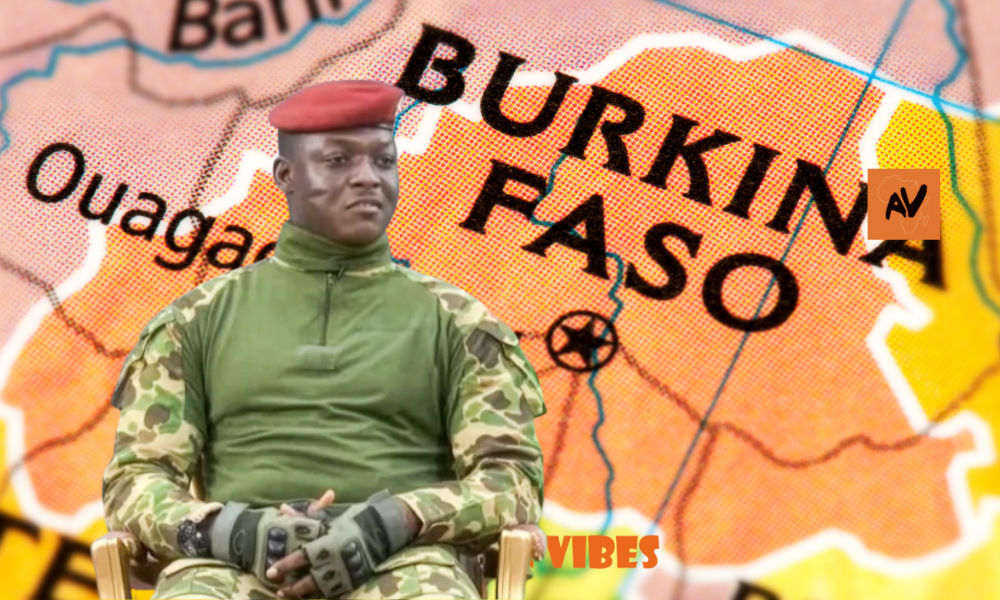
Burkina Faso’s military government has ordered the dissolution of all political parties and political groupings, marking the most decisive break yet from the country’s democratic past since the 2022 coup.
The sweeping decree, approved by the Council of Ministers under President Ibrahim Traoré, also mandates that all assets belonging to dissolved parties be transferred to the state. In parallel, authorities have repealed every law governing political parties and their financing, effectively erasing the legal framework that sustained multiparty democracy in the country for decades.
Officials say the move is part of a broader effort to restructure governance during the ongoing transition, but critics warn it consolidates unchecked military power and eliminates any legal space for organized political opposition.
ALSO READ: You Won’t Believe Which African Giant Is Copying Niger’s U.S. Visa Shutdown
A System Declared ‘Divisive’
Announcing the decision, the Minister of Territorial Administration argued that Burkina Faso’s multiparty system had failed to promote national unity. Instead, the government claims political parties deepened social divisions, encouraged elite competition, and weakened the state at a time of profound insecurity.
According to the minister, the dissolution clears the way for a new political order that prioritizes cohesion and stability over partisan interests. Authorities say a new and more restrictive political framework will be introduced through the Transitional Legislative Assembly, though no details or timelines have been made public.
From Suspension to Erasure
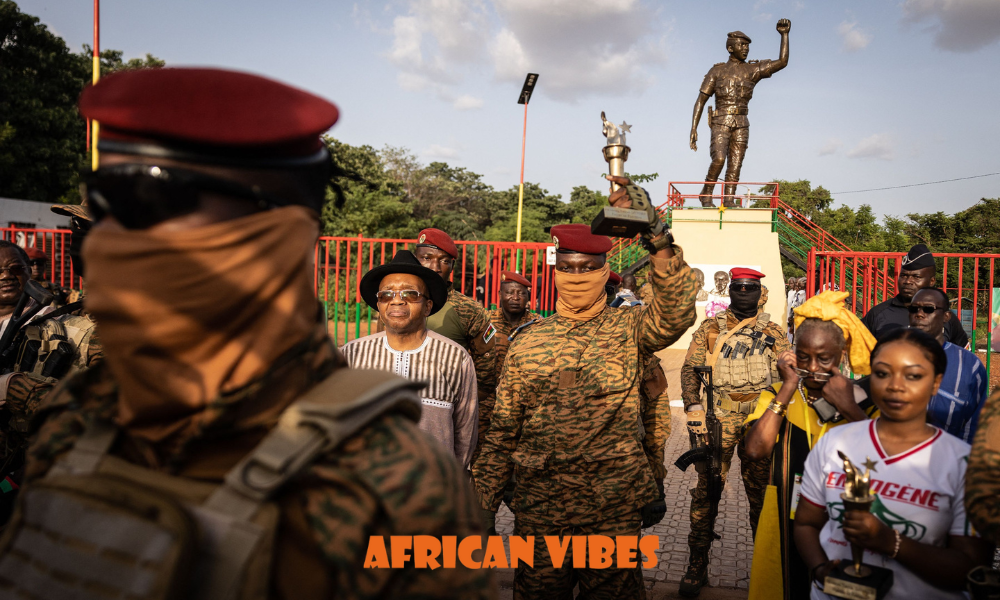
Political activity in Burkina Faso has been largely frozen since the military seized power in September 2022, citing the civilian government’s failure to contain Islamist insurgencies. However, this latest decree goes far beyond suspension.
By repealing all laws regulating political parties, the government has removed the final legal traces of the country’s former democratic system. With parties dissolved and their assets confiscated, there is now no formal structure through which opposition politics can legally exist.
Promised elections remain indefinitely postponed. Military authorities continue to justify the delay by pointing to ongoing security threats from jihadist groups operating across large swathes of the country, particularly in the north and east.
Supporters: ‘Dismantling a Corrupt Political Class’
Supporters of the transition argue that the move is long overdue. Pro-military voices say political parties became vehicles for corruption, foreign influence, and personal enrichment, while ordinary citizens bore the cost of insecurity and economic decline.
In this view, dissolving parties is seen as a necessary step to break with the old political order, reduce external interference, and create space for a new national vision rooted in sovereignty and self-determination—sentiments that have gained traction across the Sahel in recent years.
Critics Warn of Absolute Power
Critics, however, see the decree as a dangerous escalation. Civil society actors and opposition figures—many now operating in exile—warn that concentrating power entirely in the hands of the military removes all checks and balances.
With no legal opposition, no independent political organizations, and no clear electoral roadmap, they argue Burkina Faso risks sliding from transitional rule into permanent military governance. Rights groups also warn that political exclusion could fuel future instability, rather than resolve it.
ALSO READ: What China’s New 98.2% Tax-Free Gift Really Means for Kenya’s Smallholder Farmers.
A Wider Sahelian Pattern
Burkina Faso’s decision echoes broader regional trends. Military-led governments in Mali and Niger have similarly extended transition timelines, sidelined political parties, and redefined governance under the banner of security and sovereignty.
Together, these developments raise uncomfortable questions about the future of multiparty democracy in the Sahel—and whether the region is witnessing not temporary detours, but a more fundamental political realignment.
What Comes Next
For now, Burkina Faso enters uncharted territory. The government has promised a new political framework, but its scope, inclusiveness, and timeline remain unclear. What is certain is that the country is undergoing one of the most radical political restructurings in its history.
As the military tightens its grip on power, the central question remains unresolved. Can stability achieved without political pluralism deliver lasting legitimacy—or will the absence of democratic space sow the seeds of future unrest?