


After years of diplomatic distance, sanctions, and strained relations, the United States is quietly reopening channels with Mali — a country that has become emblematic of the West’s retreat from the Sahel.
The visit of a top U.S. State Department official to Bamako signals more than routine diplomacy. It marks a strategic reset in Washington’s approach to a region now dominated by military juntas, rising insecurity, and intensifying competition from Russia and China. Once framed almost exclusively around democracy promotion and counterterrorism partnerships, U.S. policy toward the Sahel is now being reshaped by geopolitical realism.
For Mali — and for the wider Sahel — America’s return raises a critical question: is this a genuine partnership reboot, or a reluctant response to losing influence in one of Africa’s most unstable regions?
Why the Sahel Still Matters to Washington
Stretching from Senegal to Sudan, the Sahel sits at the crossroads of Africa’s security, migration, and resource challenges. For decades, U.S. engagement in the region was driven by counterterrorism concerns, particularly after the 9/11 attacks and the rise of extremist groups linked to al-Qaeda and ISIS.
Mali, Niger, and Burkina Faso became central to U.S. and Western security strategies, hosting training missions, intelligence cooperation, and military support programs. But successive coups — especially Mali’s in 2020 and 2021 — triggered sanctions, diplomatic freezes, and the eventual collapse of Western-led security frameworks.
Yet despite disengagement, the Sahel has not become less important to U.S. interests. Armed groups have expanded their reach, regional instability has worsened, and critical mineral supply chains — including gold and uranium — have grown in strategic importance. Simply put, the Sahel never stopped mattering; Washington just stopped talking.
ALSO READ: African Union Agenda 2063: A Promising Trajectory For Africa
Inside the Mali Reset Talks
The recent visit by a senior U.S. official to Mali represents a notable shift in tone. Rather than lecturing Bamako on governance benchmarks, Washington emphasized dialogue, mutual interests, and respect for sovereignty — language that contrasts sharply with earlier U.S. positions.
The talks come after years of frosty relations, worsened by Mali’s expulsion of French forces and its deepening security cooperation with Russia. For U.S. officials, the message is clear: isolation has failed, and engagement — even with imperfect partners — is now back on the table.
This does not mean sanctions are gone or that democratic concerns have vanished. Instead, the U.S. appears to be testing whether limited engagement can protect its strategic interests without fully endorsing Mali’s political direction.
Juntas, Alliances, and External Powers
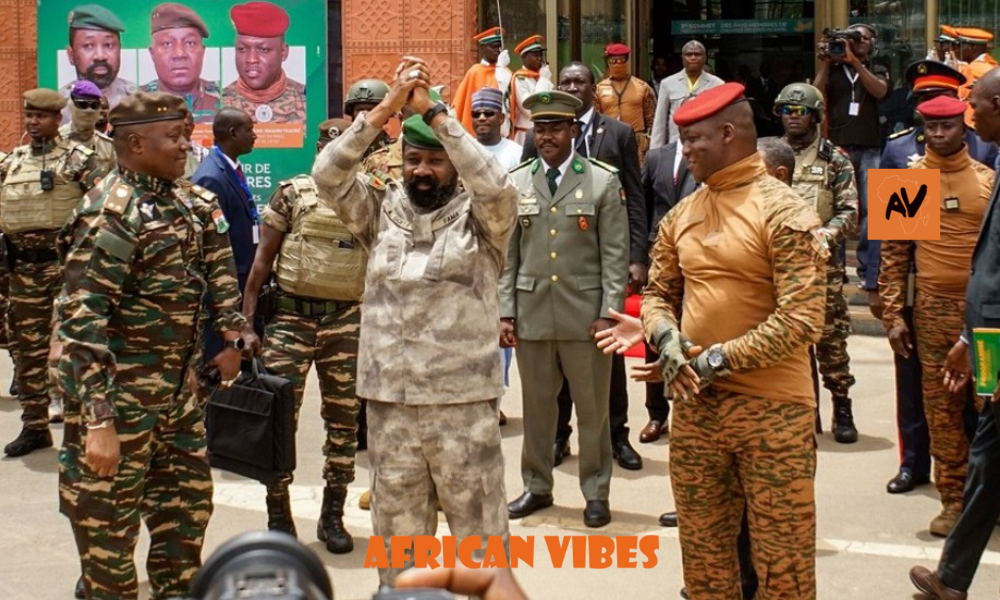
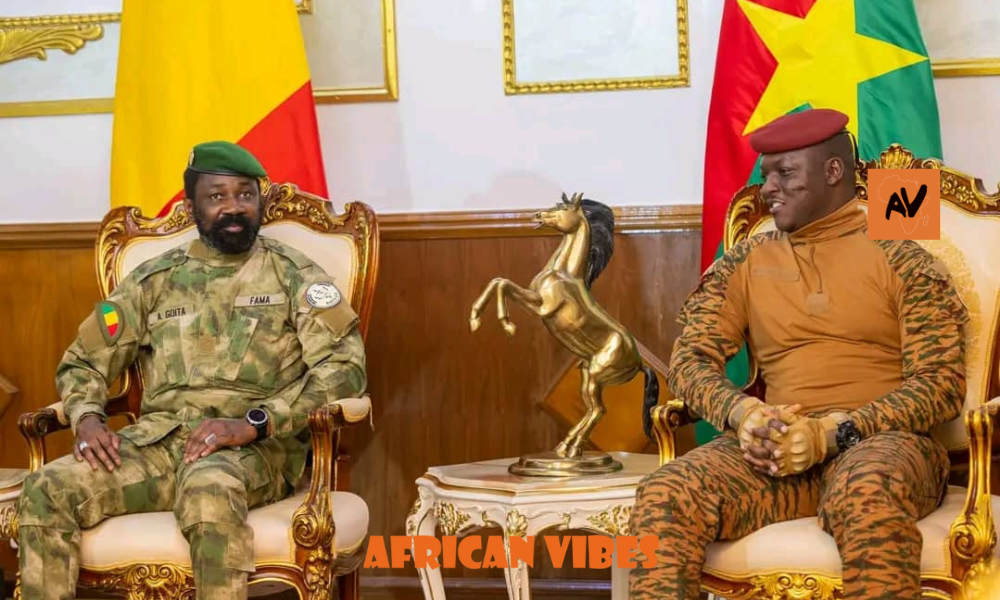
Mali is no longer acting alone. Alongside Burkina Faso and Niger, it has formed the Alliance of Sahel States (AES) — a bloc that has formally broken with ECOWAS and rejected Western pressure.
This alliance reflects a broader regional shift. Military governments in the Sahel have framed their rule as a rejection of foreign interference, positioning themselves as defenders of sovereignty against former colonial powers. Russia has capitalized on this narrative, expanding its influence through security cooperation, military advisers, and strategic messaging. China, meanwhile, continues to deepen economic ties without political conditionality.
For Washington, the risk is not just losing access — it is losing relevance. The Mali visit suggests the U.S. recognizes that moral absolutism has left a vacuum now filled by rival powers with fewer strings attached.
Why the U.S. Is Recalibrating Now
The reset with Mali reflects three overlapping realities:
First, counterterrorism threats in the Sahel have intensified, not diminished. Armed groups now operate across borders with alarming freedom, threatening regional governments and civilian populations alike.
Second, geopolitical competition has returned to Africa in force. Russia’s expanding footprint in the Sahel and China’s long-term economic positioning have made disengagement strategically costly for the U.S.
Third, Washington’s Africa policy is shifting from idealism to pragmatism. While democracy promotion remains official policy, it is no longer the sole gatekeeper of engagement. Stability, access, and influence are once again driving decision-making.
Engagement Without Leverage
America’s return to Mali is not without controversy. Critics argue that engaging military-led governments risks legitimizing coups and undermining democratic norms across West Africa. Others warn that the U.S. may have limited leverage in talks, given Mali’s existing partnerships and strong anti-Western rhetoric.
There is also the challenge of trust. Years of sanctions and diplomatic pressure have left deep scars, and Sahel governments are unlikely to abandon alternative partners simply because Washington has reappeared.
For the U.S., the danger lies in engaging too cautiously to matter — or too enthusiastically to maintain credibility on governance and human rights.
What Comes Next for the Sahel and U.S.–Africa Relations
The Mali talks are unlikely to produce immediate breakthroughs. Instead, they should be seen as a signal — a recognition that the Sahel cannot be ignored, sanctioned, or wished away.
If sustained, this reengagement could open doors to security coordination, economic dialogue, and regional diplomacy. If mishandled, it could reinforce perceptions that U.S. engagement is reactive rather than strategic.
What is clear is that America’s Sahel policy has entered a new phase — one defined less by ideals and more by the realities of a rapidly shifting African geopolitical landscape.
Conclusion
America’s renewed engagement with Mali is not a victory lap; it is a course correction. After years of retreat, Washington is confronting a hard truth: influence in Africa cannot be paused without consequences.
Whether this reset leads to meaningful partnership or symbolic diplomacy will depend on what comes next. For Mali and the wider Sahel, the message is unmistakable — the world’s major powers are recalculating, and Africa’s most fragile region is once again at the center of global attention.