


For decades, the sun rising over the lush, rolling hills of Kericho in and the fertile valleys of Murang’a has signaled the start of a grueling day for millions of Kenyan farmers. They produce some of the world’s finest tea, coffee, and avocados, yet the rewards have often been stifled by distant markets and high trade barriers. Today, that narrative is shifting.
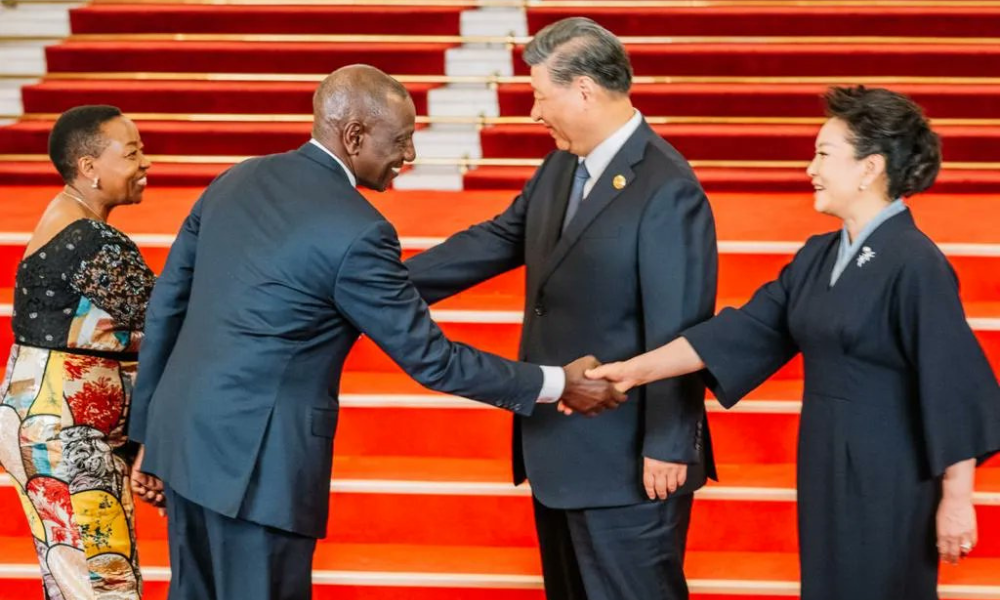
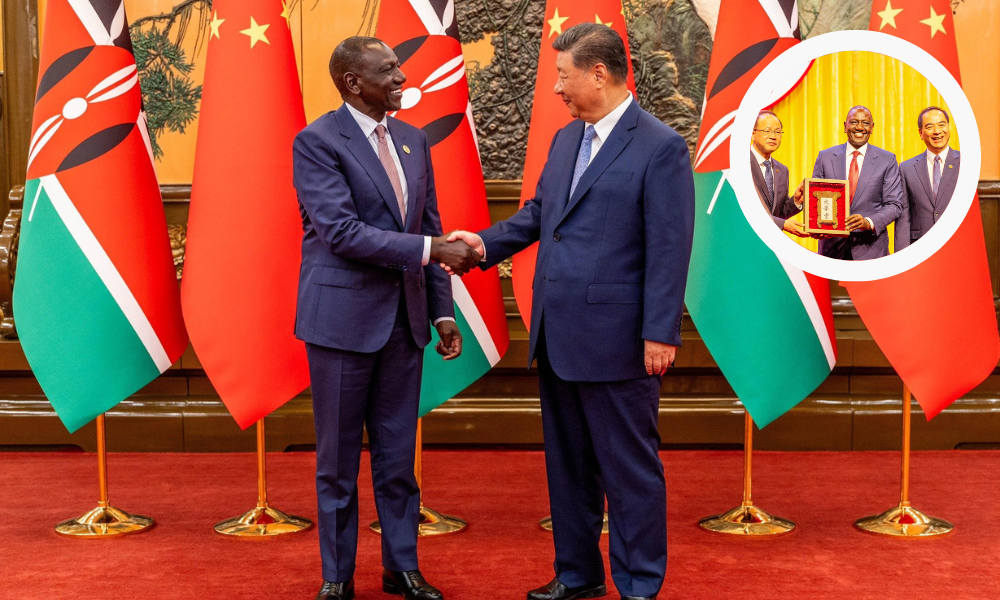
In a move that resonates across the continent, Kenya has officially secured a preliminary agreement with China, granting duty-free access to a staggering 98.2% of its exports. This isn’t just a policy update; it is a “monumental progression” for African agency.
As Cabinet Secretary Lee Kinyanjui recently noted, we are witnessing the opening of a “Green Channel” that connects the Kenyan shamba directly to the dining tables of 1.4 billion Chinese consumers. At AfricanVibes, we celebrate this not just as a trade deal, but as a victory for the African spirit of enterprise.
ALSO READ: Why Trump’s Venezuela Move Struck a Nerve Across Africa
Background: From Debt to Dignity
To understand the weight of this 2026 agreement, one must look back at the evolution of Kenya-China relations. For years, the story was dominated by infrastructure—the Standard Gauge Railway (SGR), highways, and bridges. While these were vital, they came with significant debt, and the trade balance remained stubbornly lopsided.
By 2024, the trade deficit had widened to over $4 billion. China was selling Kenya everything from electronics to machinery, while Kenya was sending back only a handful of raw materials. President William Ruto’s administration recognized that for a “Hustler Nation” to thrive, the relationship had to pivot from “Aid and Loans” to “Trade and Investment.”
This new deal is the fruition of that vision. It follows the 2024 FOCAC summit in Beijing, where President Xi Jinping pledged zero tariffs for African partners. However, because Kenya has graduated to middle-income status, it couldn’t simply ride on the coattails of the LDC (Least Developed Countries) framework. It had to negotiate its own path, proving that African nations can engage with superpowers as equals, securing specific terms that protect and promote their unique domestic industries.
Key Developments: The Mechanics of the “Early Harvest”
The 98.2% figure is more than just a statistic; it represents nearly the entire spectrum of Kenyan production. Technically known as an Early Harvest Arrangement, this pact allows Kenyan goods to enter China at zero duty while the final, more complex details of a full bilateral trade treaty are hammered out.
What’s in the Basket?
- Tea: Willy Mutai, CEO of the Tea Board of Kenya, estimates that tea exports to China could jump from 4 million kg to 20 million kg by 2027.
- Avocados: Following the successful introduction of frozen and fresh avocados in previous years, this deal removes the final pricing hurdles.
- Macadamia & Flowers: High-value horticulture is now poised to compete directly with South American and South Asian rivals in the Chinese market.
This breakthrough is also a masterclass in diplomacy. Kenya is currently navigating the expiration of the U.S. African Growth and Opportunity Act (AGOA). By securing the Chinese market now, Nairobi has ensured that its exporters are not left vulnerable to the shifting winds of Western politics. It is a diversified strategy that puts Kenyan interests first.
ALSO READ: Russia Troops in Burkina Faso: Ibrahim Traoré’s Security Pact With Putin
Impact & Analysis: Empowerment Beyond the Port
The true beauty of this agreement lies in its potential to transform rural lives. Agriculture remains the heartbeat of Kenya, contributing over 30% to the GDP and employing the majority of the population. When a smallholder farmer in Nyeri can sell her coffee without the “tariff tax” eating into her margins, the ripple effect is immediate: better schools for her children, improved housing, and reinvestment into the land.
However, the “good news” comes with a healthy dose of African pragmatism. Access to the market is one thing; meeting the standards is another. China is known for its stringent phytosanitary requirements (health and safety standards for plants).
To truly win, Kenya must invest in cold-chain logistics and quality control. We don’t just look for handouts; we look for the “compromise” that leads to growth. Kenya is now challenged to level up its processing and packaging, moving from exporting raw beans to “Made in Kenya” branded products that command premium prices in Shanghai.
Conclusion: A Blueprint for the Continent
As we look toward the future, Kenya’s success serves as a lighthouse for the rest of Africa. It proves that middle-income African nations do not have to choose between the East and the West—they can choose themselves. This agreement is a testament to the fact that when we lead with our strengths—our fertile soil, our innovative tech, and our resilient people—the world responds.
The 98.2% deal is a bold step toward rebalancing global trade. It is an invitation to the Kenyan youth to see agriculture not as a struggle of the past, but as the high-tech, high-reward industry of the future. At AfricanVibes, we will continue to watch this space with optimism, cheering on every crate of avocados and every bag of tea that makes its way across the ocean, carrying with it the hopes of a nation.