


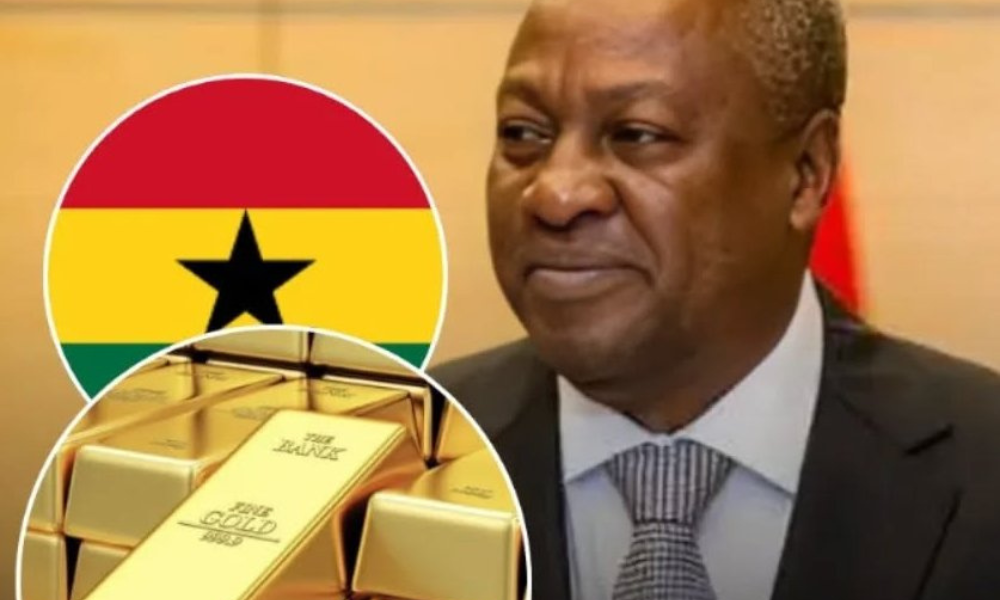
Ghana’s gold industry has delivered a stunning performance in early 2025, with the country earning $5.2 billion from gold exports in just the first four months of the year. This record-breaking revenue underscores a resurgent mining sector, powered by regulatory reforms, improved oversight, and a spike in global demand for the precious metal.
A Golden Foundation
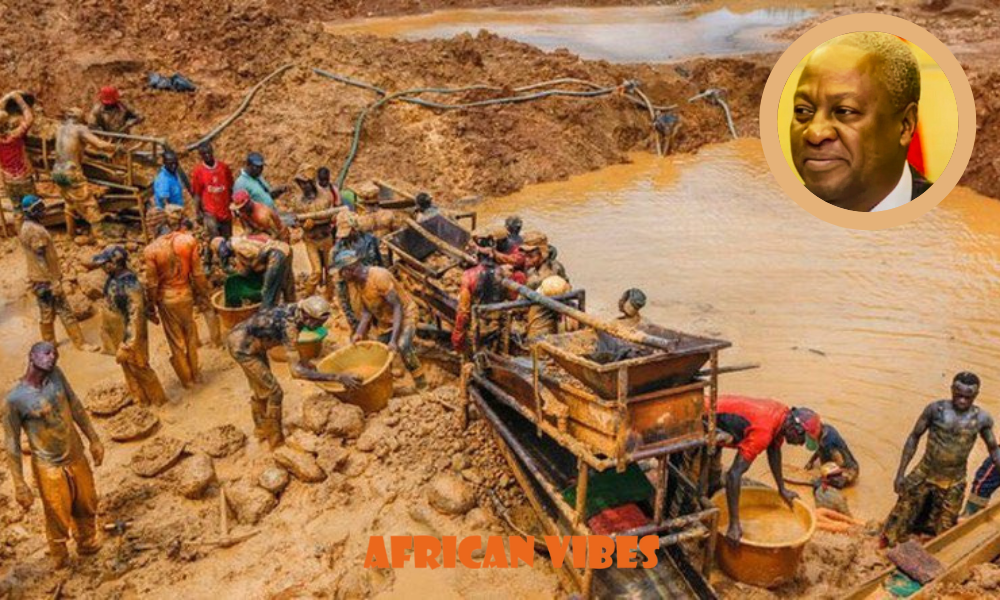
As Africa’s leading gold producer, Ghana has long relied on the mineral as a pillar of its economy. But this year’s surge is not just business as usual—it’s a result of deliberate policy measures aimed at formalizing and optimizing the gold value chain. At the center of these reforms is the Ghana Gold Board (GoldBod), established to regulate and streamline the activities of artisanal and small-scale gold miners, a sector previously prone to informality and revenue leakage.
Historic Earnings, Strong April
Between January and April 2025, Ghana exported over 9,295 kilograms of gold, generating a staggering $900 million in April alone—the highest monthly figure in more than two years. This four-month total of $5.2 billion puts Ghana on track to surpass its full-year gold earnings from 2024, which stood at just over $6 billion.
GoldBod reports attribute this performance not only to the high international gold prices but also to improvements in traceability, enforcement of export protocols, and a reduction in illegal exports.
ALSO READ: From Mines to Minds – How Botswana Turned Diamond Wealth into Human Capital
What’s Driving the Surge?
Analysts point to a combination of rising global demand—driven by inflation fears, geopolitical uncertainty, and investor appetite for safe-haven assets—and domestic reforms that have enhanced transparency and accountability in the gold trade.
“These results demonstrate the power of smart regulation,” said a spokesperson for GoldBod. “We’re seeing more gold entering the formal market, and more of the value retained within Ghana.”
The government’s commitment to supporting the gold sector through digitization, compliance auditing, and stakeholder training is beginning to bear fruit. Industry players have also noted a shift in public confidence, with previously informal operators now participating in formal trade channels.
Economic Ripple Effects
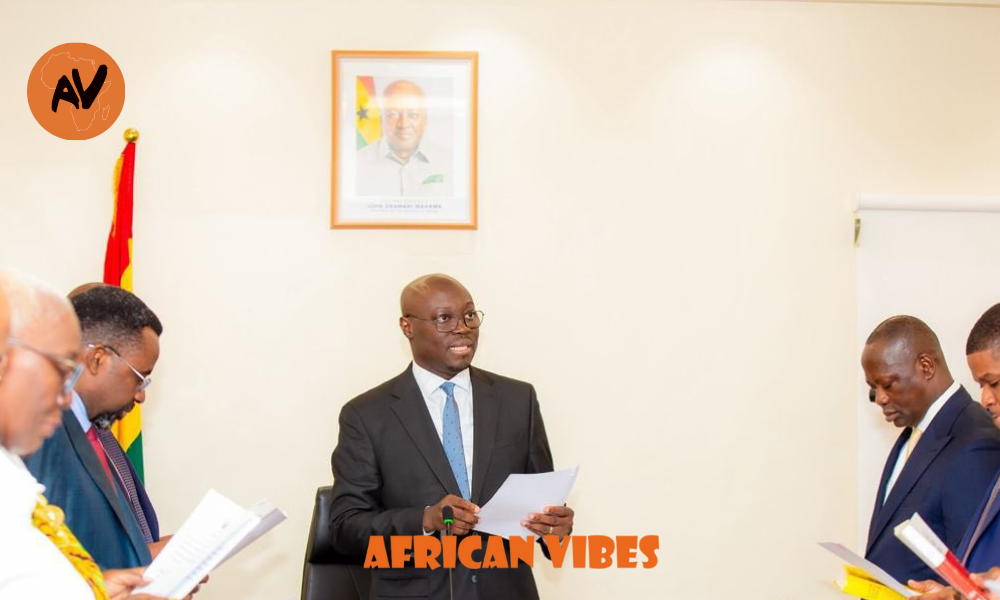
The gold windfall is already contributing to increased foreign exchange reserves, stabilizing the Ghanaian cedi, and improving the country’s current account balance. It also offers a timely boost to the economy amid fiscal tightening and global economic headwinds.
Finance experts believe the earnings could ease pressure on the Bank of Ghana, reduce dependence on external borrowing, and provide fiscal room for social interventions and infrastructure investments.
ALSO READ: Burkina Faso’s Gold Controversy: Traoré, AFRICOM, and Africa’s Fight for Resource Sovereignty
Political and Industry Reactions
Government officials have praised the performance as evidence of effective leadership and sound economic management. Meanwhile, opposition voices have called for transparency in how the windfall will be used.
Civil society groups and economists have urged the government to channel the gains into long-term investments in education, infrastructure, and environmental restoration in mining communities.

Looking Ahead
Ghana’s gold export performance in early 2025 paints a bright picture, but questions remain about sustainability and resilience. GoldBod has committed to expanding its oversight, rolling out new licensing platforms, and continuing public-private dialogue to maintain momentum.
If current trends continue, Ghana could exceed $14 billion in gold export earnings by year-end—potentially setting a new national record and further entrenching its status as a global gold powerhouse.