


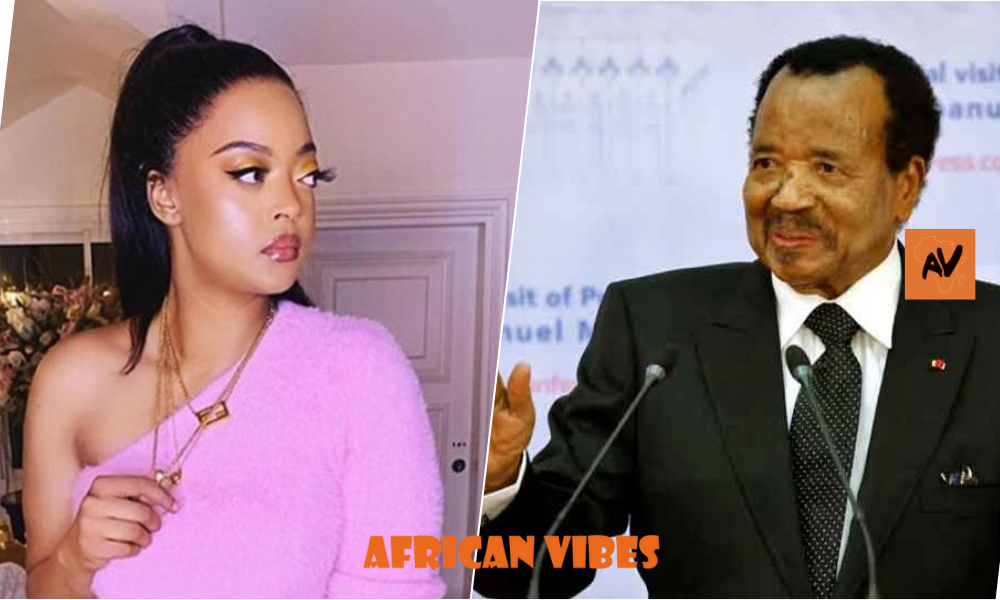
In a move that has sent shockwaves from the corridors of power in Yaoundé to the digital spaces where Africa’s youth are forging a new political identity, Brenda Biya, the daughter of Cameroon’s President Paul Biya, has publicly urged her fellow citizens not to vote for her father.
The statement, delivered via a viral video on TikTok, is not merely a personal plea but an unprecedented act of political defiance from within the heart of one of the continent’s most entrenched ruling families. It signals a seismic shift, where the personal becomes a powerful political tool and a new generation demands accountability from its leaders.
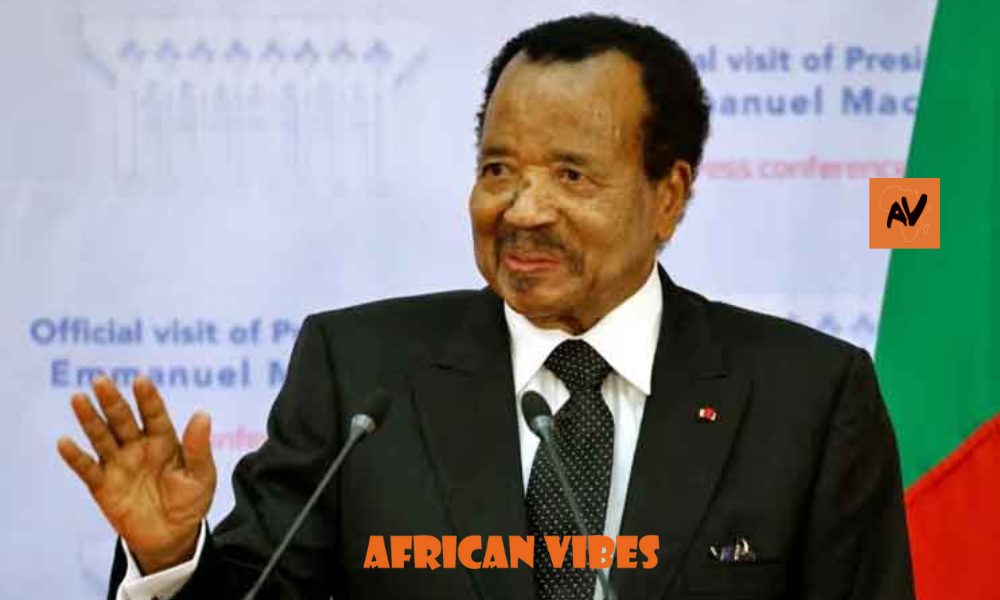
The call comes at a crucial juncture. At 92, and having served since 1982, President Paul Biya is one of the world’s longest-serving non-monarchical leaders, poised to seek an eighth consecutive term in the October 2025 presidential election.
His decades-long reign has been defined by a tight grip on power, a political system that has stifled dissent, and a growing chasm between the ruling elite and a young population grappling with economic hardship and limited opportunities.
Brenda’s message, “Don’t re-elect my father,” cuts through the carefully constructed political narrative, speaking directly to the widespread frustration and desire for a new chapter in Cameroon politics.
The Weight of an Unprecedented Statement
For 43 years, Paul Biya, now 92, has ruled Cameroon with an iron grip, surviving multiple coups, contested elections, and waves of criticism. His leadership style—marked by allegations of electoral fraud, human rights abuses, and corruption—has made him one of the world’s longest-serving non-royal leaders.
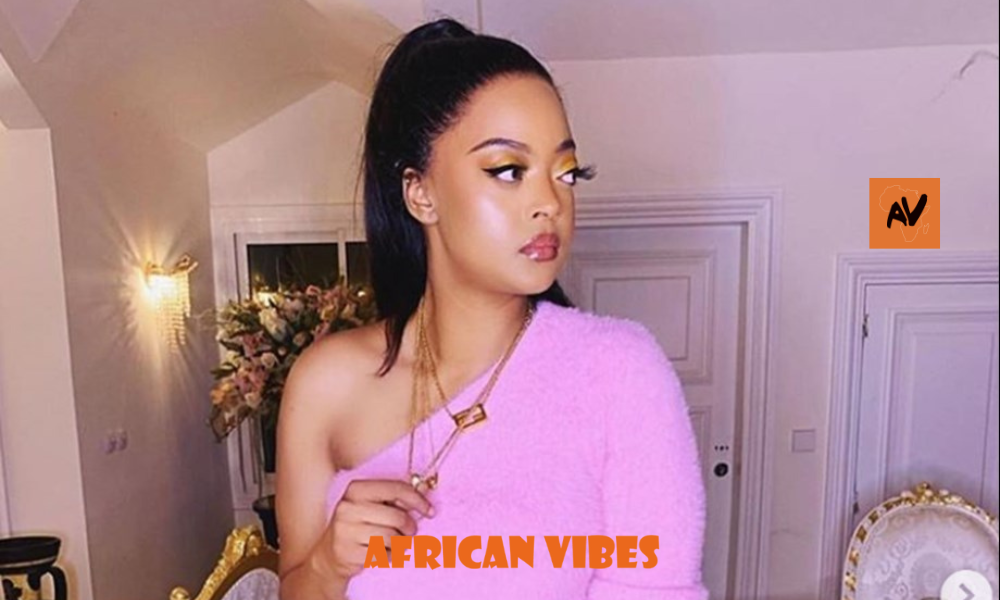
Brenda Biya’s stance carries unique weight. Unlike opposition figures or activists who are easily dismissed as “troublemakers,” her words come from within the president’s own household. Known for her flamboyant lifestyle and social media presence, she has often been a lightning rod for criticism. But this time, her statement is not about personal choices—it’s a direct rejection of her father’s continued rule.
By using TikTok, the platform where Cameroonian youth gather, she sidestepped state media and reached her audience unfiltered. The video’s virality underscores a new era of youth-led activism, proving that digital platforms are now frontline battlegrounds in Cameroon politics.
ALSO READ: Rwanda Launches Africa’s First Self-Flying Electric Air Taxi
A Reflection of a Nation’s Discontent
Brenda’s call reflects the grievances of millions of young Cameroonians facing unemployment, poverty, and limited opportunities. To them, Biya’s four-decade presidency represents stagnation rather than progress.
Her words resonate because they validate what many have long whispered: that the system is broken. For some, this frustration has fueled separatist movements or mass emigration. For others, it has turned into political apathy. Brenda’s statement reopens the possibility of change through democratic means, offering a symbolic but powerful rallying point.
Reactions have been swift:
- Analysts see it as a rare glimpse of internal cracks within the ruling elite.
- Opposition leaders cautiously welcome it as an unexpected endorsement of their calls for reform.
- Ordinary citizens, especially the youth, have taken to social media to discuss the video openly, a sign that her words have pierced the culture of silence.
ALSO READ: Mali’s Interim President Assimi Goïta’s extended term in office.
Beyond Cameroon – A Symbol for African Leadership
The significance of Brenda Biya’s actions extends far beyond Cameroon’s borders. It resonates across a continent where the debate over generational leadership and democratic accountability is at a fever pitch.
While Paul Biya represents an old guard of African leaders who have held on to power for decades, Brenda embodies the youthful energy and demand for change sweeping across the continent. Her public dissent stands in stark contrast to the trend of hereditary succession seen in other parts of Africa, where children of long-serving leaders are groomed to take over.
Instead, she has chosen a different path, one that is both personal and political. It’s a move that could inspire similar acts of defiance, encouraging others to challenge the status quo from within. This is a story of African leadership being redefined not just by those in power, but by those who have been marginalized by it. It’s a celebration of a new kind of freedom—the freedom to speak truth to power, even when that power is your own father.
ALSO READ: Egypt’s Renewed Push for ‘Arab NATO’ Aims to Cement African and Arab Security
Conclusion: A New Dawn of Democratic Possibility
Brenda Biya’s call to action is a powerful, paradigm-shifting moment. While its direct impact on the upcoming election is yet to be determined, its symbolic significance is undeniable.
It has stripped away the veneer of untouchable power and exposed the human, and often strained, dynamics at play within Africa’s political dynasties. It has galvanized a new conversation about accountability, succession, and the role of the youth in shaping their nation’s destiny.