


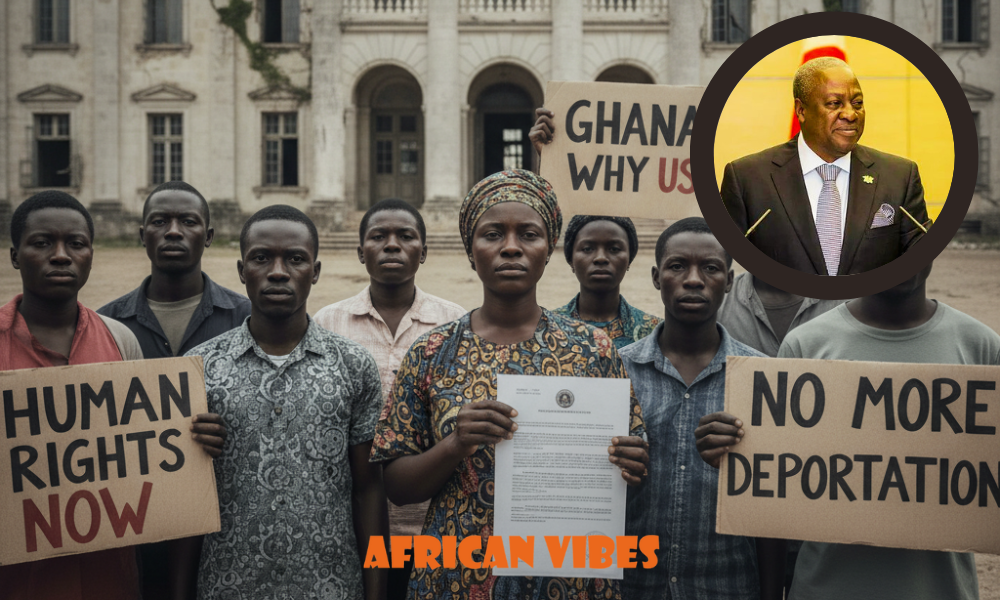
Ghana is facing mounting legal and diplomatic pressure after a group of West African migrants, recently deported from the United States, filed a lawsuit against the government. The case—described as unprecedented—alleges unlawful detention, “deplorable” living conditions, and fundamental violations of human rights.
What began as a quiet deal between Washington and Accra has now snowballed into a test of Africa’s commitment to Pan-Africanism, sovereignty, and the rights of its people. The controversy highlights the difficult choices African nations face under tightening U.S. immigration policies, raising uncomfortable questions about solidarity and accountability.
ALSO READ: Burkina Faso Breaks Colonial Ties: Drops French as Official Language
A New Twist in U.S. Deportation Policy
The dispute stems from the United States’ controversial third-country deportation program, a policy designed to send migrants to nations where they have no direct ties, effectively bypassing protections in U.S. and international law.
Ghana insists its acceptance of the deportees was motivated by “humanitarian principles” and Pan-African solidarity. But critics say the deal mirrors secretive arrangements struck by countries like Rwanda, Eswatini, and South Sudan—agreements often criticized as opaque, one-sided, and exploitative.
Ironically, the case comes just years after Ghana’s Year of Return initiative, a celebrated campaign that welcomed members of the African diaspora home. Today, the nation finds itself accused of betraying those very ideals.
ALSO READ: Niger, Mali, and Burkina Faso Exit ECOWAS And Here’s Why
Conflicting Narratives, Mounting Legal Pressure
At the heart of the case are conflicting accounts from Ghanaian authorities and the deportees’ lawyers.
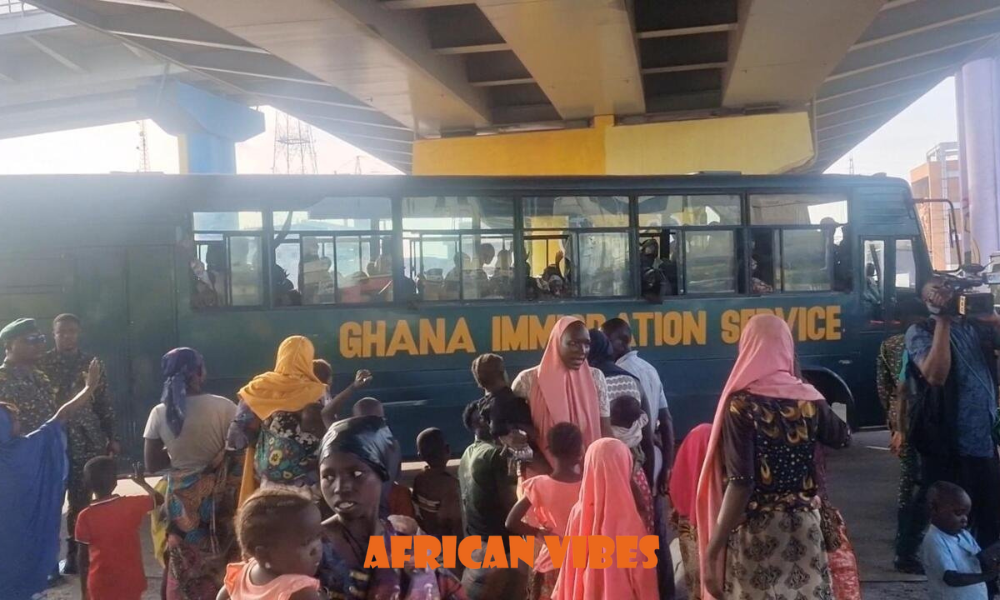
Officials initially claimed that all 14 migrants had been sent to their countries of origin. Lawyers, however, argue that at least 11 remain in detention at a military camp outside Accra. The deportees allege poor food, unsafe water, and denial of access to legal representation.
Their U.S.-based legal team has gone further, describing the deportations as a “scam” engineered to sidestep both U.S. and international protections for vulnerable migrants. A U.S. judge overseeing aspects of the case admitted her “alarm and dismay,” but said her hands were tied once the migrants landed on Ghanaian soil.
The lawsuit, now before a Ghanaian High Court, seeks the migrants’ immediate release and an injunction to prevent further deportations. Their lawyers argue the government’s actions violate not only international human rights standards but also Ghana’s own laws.
ALSO READ: 4 African Nations Forge Controversial Deportation Deals with US
A Test of Pan-Africanism
The case forces a reckoning over what Pan-African solidarity means in practice. Ghana’s decision has been criticized as prioritizing diplomatic ties with Washington over the dignity and rights of fellow Africans.
The controversy also reverberates beyond Ghana. Nigeria, whose citizens make up a significant portion of the deportees, was reportedly not consulted on the deal. Critics warn this sets a dangerous precedent—turning African nations into convenient “dumping grounds” for migrants Western countries refuse to accommodate.
For many observers, the lawsuit is more than a legal dispute; it is a political and moral test of Africa’s collective response to global migration. It highlights the need for continental unity in confronting external pressures and defending the human rights of Africans, both at home and abroad.
The Road Ahead
Whatever the outcome, the case could reshape Africa’s approach to international migration. A ruling in favor of the deportees may strengthen demands for transparency and accountability in future agreements. A ruling against them, however, could embolden other Western governments to strike similar deals.
At stake is more than just the fate of 14 individuals—it is Africa’s ability to define solidarity on its own terms. The African diaspora, long a vital bridge between continents, may also emerge as a critical force in demanding justice and holding governments accountable.
Conclusion: A Moment of Reckoning
The deportees’ lawsuit against Ghana is more than a courtroom drama—it is a mirror held up to Africa’s leaders. Pan-Africanism cannot remain an empty slogan while vulnerable Africans suffer in silence.
This case challenges the continent to move beyond rhetoric and build a collective, transparent, and rights-based approach to migration. The world is watching to see whether Africa will stand together—or allow itself to be divided by secret deals and external pressure.